Iran is witnessing its gravest unrest in decades as nationwide protests face violent suppression and mounting international scrutiny.
Nationwide Protests Trigger Severe Crackdown and Unprecedented Internal Turmoil
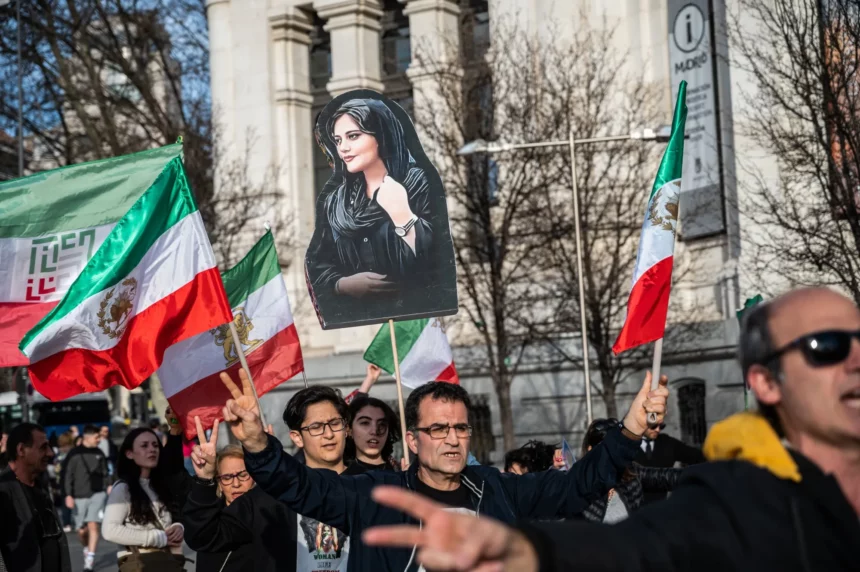
Iran has entered a period of profound internal crisis as widespread protests continue to sweep across cities, towns, and rural regions, reflecting deep public anger over economic hardship, political repression, and lack of civil freedoms. What began as scattered demonstrations over inflation, unemployment, and collapsing living standards has evolved into a sustained nationwide movement openly challenging the authority of the ruling establishment. Protesters from diverse social and economic backgrounds have taken to the streets, voicing demands that extend beyond economic relief to calls for systemic political change.
The response of the Iranian state has been swift and uncompromising. Security forces, including police units and paramilitary formations, have launched an aggressive crackdown aimed at suppressing dissent and restoring control. Protest sites have been met with heavy force, including the use of live ammunition, mass arrests, and violent dispersal tactics. Reports emerging from within the country describe streets turning into battlegrounds, with civilians facing overwhelming force for participating in or even observing demonstrations.
Hospitals in major cities have reportedly been inundated with injured protesters, many suffering from gunshot wounds. Medical professionals have spoken of an alarming number of severe injuries, including damage to eyes and heads, suggesting intentional targeting rather than crowd control. Detention centres have also seen a surge in arrests, with thousands taken into custody during nightly raids and street-level sweeps. Families of detainees remain largely in the dark, often unaware of the whereabouts or condition of their loved ones.
To contain the spread of information, authorities have imposed widespread internet restrictions and telecommunications blackouts. These measures have effectively isolated large parts of the country from the outside world, limiting the ability of citizens to document events or communicate with international media and human rights groups. Despite these restrictions, fragments of footage and eyewitness accounts continue to emerge, painting a picture of relentless repression and fear. The digital shutdown has also disrupted daily life, affecting businesses, education, and access to essential services, further fuelling public resentment.
State media has sought to portray the unrest as a foreign-backed conspiracy, framing protesters as agents of external powers rather than citizens expressing legitimate grievances. Official rhetoric has emphasised national security and sovereignty, while pro-government rallies have been organised to project an image of popular support for the regime. At the same time, harsh judicial measures, including fast-tracked trials and severe sentences, have been reported, reinforcing perceptions of a state unwilling to tolerate dissent.
The scale and persistence of the protests mark a significant departure from previous episodes of unrest. Unlike earlier movements that were contained within weeks, the current wave has shown resilience despite intense repression. Analysts suggest that the depth of economic pain, combined with generational frustration and long-standing political restrictions, has created a volatile environment where fear is no longer sufficient to deter public resistance. As demonstrations continue, the regime faces a dilemma between escalating force and risking further alienation of the population.
International Reactions, U.S. Pressure, and the Expanding Geopolitical Fallout
Iran’s internal crisis has rapidly become a focal point of global concern, drawing sharp reactions from governments, international organisations, and political leaders worldwide. Western nations have condemned the violent suppression of protesters, calling for restraint and respect for human rights. Diplomatic statements have highlighted concerns over civilian deaths, mass detentions, and restrictions on freedom of expression, warning that continued repression could have serious consequences for Iran’s international standing.
The United States, under President Donald Trump, has adopted a particularly confrontational tone. Trump has publicly criticised the Iranian leadership, accusing it of brutalising its own citizens and warning of severe repercussions if executions or further mass killings occur. He has voiced open support for Iranian protesters, urging them to persist and signalling that the United States stands ready to apply maximum pressure on the regime. Diplomatic engagements with Tehran have been suspended, and new economic measures have been announced as part of a broader strategy to isolate Iran.
Among these measures are expanded sanctions and trade penalties aimed at countries and companies maintaining economic ties with Iran. These actions have intensified economic pressure on an already strained Iranian economy, contributing to currency depreciation, rising prices, and shortages of essential goods. While U.S. officials argue that such steps are necessary to hold the regime accountable, critics warn that increased economic isolation could further burden ordinary citizens rather than decision-makers.
European governments have echoed concerns over human rights violations, with several summoning Iranian diplomats and reviewing existing agreements. International bodies have called for independent investigations into the reported abuses and urged Iran to allow access to observers and humanitarian organisations. At the same time, Iran’s allies and partners have criticised what they describe as external interference, arguing that sanctions and public condemnation risk escalating tensions and undermining regional stability.
Iranian officials have rejected international criticism, insisting that the unrest is being manipulated by foreign powers seeking to weaken the country. Tehran has framed external pressure as part of a broader campaign against its sovereignty, accusing adversaries of exploiting domestic challenges for geopolitical gain. This narrative has been reinforced through official channels, with repeated warnings against foreign intervention and assertions that the state retains full control over the situation.
The unfolding crisis has also heightened fears of wider regional consequences. Iran’s strategic position and its involvement in regional conflicts mean that prolonged instability could reverberate beyond its borders. Energy markets, already sensitive to geopolitical tensions, are closely monitoring developments, while neighbouring countries are assessing potential spillover effects, including refugee movements and security risks.
As the standoff between protesters and the state continues, Iran finds itself at a critical juncture. The convergence of sustained domestic unrest, severe economic strain, and escalating international pressure has created an uncertain and volatile landscape. Whether the regime chooses dialogue, intensified repression, or a recalibration of policies will shape not only Iran’s immediate future but also its role on the global stage in the years to come.