Hamas, once a powerful force in Gaza, now faces intense pressure from within and outside as it struggles to survive against Israeli military operations, local clan rebellions, and an uncertain future with ally Iran. As the humanitarian crisis deepens, Hamas finds itself balancing survival, internal dissent, and external attacks while maintaining its refusal to surrender despite severe setbacks on the battlefield and in leadership ranks.
Internal Rebellions Challenge Hamas Control
Hamas’ command structure has weakened under relentless Israeli strikes, with many top commanders killed and its tunnel networks crippled, forcing the group’s fighters to operate in fragmented cells, carrying out sporadic attacks while avoiding Israeli airstrikes. Despite their reduced operational capacity, Hamas fighters continue to manage aid truck security, queue control at bakeries, and punish petty criminals, trying to maintain order amid chaos.
The group is also battling rising dissent from local Palestinian clans, including a prominent challenge from Yasser Abu Shabab, a Bedouin leader in Rafah, whom Hamas has accused of collaborating with Israel and undermining its authority. Despite sending top fighters to eliminate him, Hamas has struggled to capture Abu Shabab, who is operating in areas under Israeli control while positioning his group as protectors of aid and local order.
These internal challenges, combined with accusations that Abu Shabab’s group is attempting to establish an independent administration in Rafah, highlight the cracks in Hamas’ governance as some clans assert their power amidst the vacuum created by the ongoing conflict.
Strained Ties with Iran and the Humanitarian Crisis
Adding to Hamas’ struggle is the uncertainty over continued Iranian support, especially after Israel’s targeted strikes against key Iranian Revolutionary Guards figures responsible for coordinating aid and expertise for Hamas. The death of Saeed Izadi, an Iranian official tied closely to Hamas operations, has raised concerns within the group about a reduction in the financial aid and technical expertise Iran has provided, which has been crucial for Hamas’ rocket and drone capabilities.
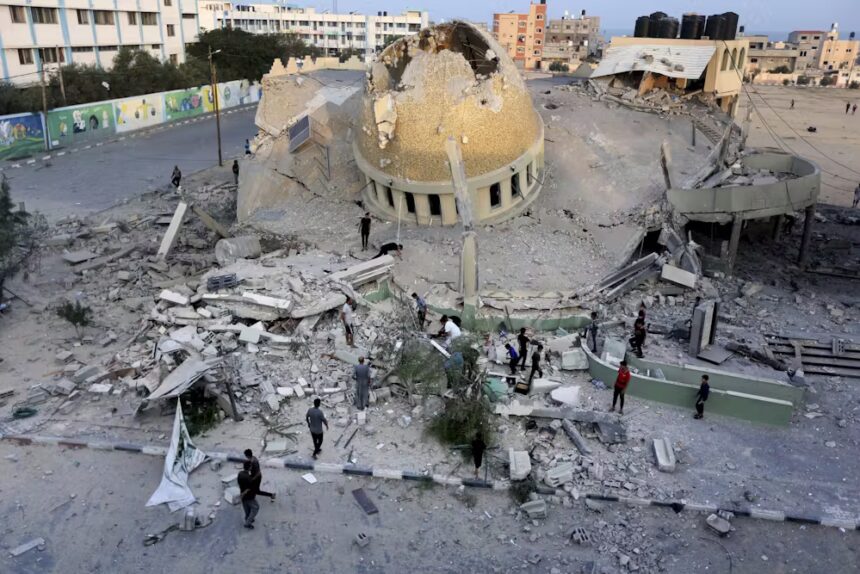
Israel’s broader offensive in Gaza has destroyed much of the territory, with Gaza health authorities reporting over 56,000 deaths since the conflict intensified. The humanitarian disaster has fueled international pressure for a ceasefire, a scenario Hamas views as an opportunity to regroup and suppress rogue elements internally, even as it insists that surrender is not an option.
While Hamas has indicated its willingness to negotiate for an end to hostilities and the release of Israeli hostages, it firmly rejects Israel’s demands for its leaders to leave Gaza, equating such terms to total defeat. Meanwhile, Israel continues to back local tribes opposed to Hamas, with Prime Minister Benjamin Netanyahu confirming that his government has armed these clans as part of a strategy to undermine Hamas’ grip.
Despite these overwhelming challenges, senior Hamas officials maintain they will not surrender and believe a ceasefire could allow them to reassert control over Gaza’s internal dissent while pausing the intense Israeli bombardment. However, intelligence assessments suggest that Hamas has lost centralized command capabilities, reducing its attacks to limited, surprise operations.
Analysts like Yezid Sayigh of the Carnegie Middle East Center argue that Hamas is now fighting not just a physical battle but a political one, seeking to ensure it is not excluded from any future governance framework in Gaza should the war end. The possibility of a ceasefire remains tied to broader regional dynamics, including the fragile U.S.-brokered truce between Iran and Israel, which could impact Hamas’ ability to continue its resistance.
As the conflict drags on, Hamas’ challenges reflect the harsh realities of prolonged warfare: declining internal support, fractured command, and external threats from both Israel’s relentless military pressure and shifting regional alliances, leaving its future uncertain even as it clings to survival.