New Delhi, 30 March 2026:
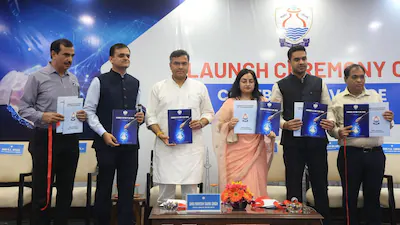
In a significant move to address water management challenges in the national capital, the Government of Delhi has launched the Summer Action Plan 2026–27, focusing on water supply, sewer management, and the rejuvenation of the Yamuna River. The plan was unveiled by Parvesh Sahib Singh at the Delhi Jal Board Auditorium, Varunalaya, Jhandewalan, alongside the introduction of several digital governance tools aimed at improving transparency, accountability, and citizen participation in water services.
The initiative integrates infrastructure strengthening with technology-driven solutions, including the launch of an AI-powered chatbot, an advanced Customer Relationship Management (CRM) system, and the DJB 1916 mobile application. These tools are designed to enhance service delivery and provide real-time grievance redressal mechanisms for residents.
Strengthening Water Production and Supply
Under the action plan, Delhi aims to maintain a peak water production capacity of approximately 1002 million gallons per day (MGD) during the summer of 2026. All major Water Treatment Plants, including Chandrawal, Wazirabad, Haiderpur, Nangloi, Okhla, Dwarka, Bawana, and Sonia Vihar, are fully operational to ensure uninterrupted supply. Continuous monitoring of raw water quality, including ammonia levels, has been prioritised to prevent disruptions.
The government is also upgrading pumps, motors, and electro-mechanical systems to enhance efficiency and reliability. The Minister emphasised that despite limited water resources, ensuring adequate supply to every citizen remains a key responsibility.
Expansion of Tube-Well Infrastructure
To bridge supply gaps in water-deficient areas, the plan includes expansion of tube-well infrastructure. Currently, 5,854 tube-wells are operational, and an additional 436 will be commissioned before peak summer, taking the total to approximately 6,290. This expansion is expected to significantly improve access in underserved regions.
Improved Distribution and Leak Management
Efforts to improve distribution efficiency include annual flushing of reservoirs, preventive maintenance of underground and surface reservoirs, and ensuring the operational readiness of booster pumping stations. Intensive leak detection and repair drives are also underway to minimise water loss and improve system performance.
Transparent Water Tanker Deployment
The plan provides for the deployment of around 1,221 water tankers per month during peak summer, including both hired and departmental vehicles. Approximately 13,000 fixed supply points have been identified, supported by 202 operational filling hydrants.
To ensure transparency and accountability, tanker operations will be monitored through GPS tracking, geo-tagging, and real-time dashboards. Digitised route tracking will help eliminate misuse and ensure efficient delivery of water.
Water Quality Assurance
Maintaining water quality is a central focus of the plan. Eight laboratories are currently operational across Water Treatment Plants, conducting daily testing of 1,600–1,700 samples in compliance with BIS 10500 standards. Unsatisfactory samples are maintained within the permissible range of 3–5 percent, while additional sampling vehicles are being deployed to strengthen surveillance.
Coverage of Unauthorized Colonies
The plan also addresses equitable water access. Out of 1,799 unauthorized colonies, pipelines have already been laid in 1,646 colonies, with the remaining areas being covered in a phased manner. The focus remains on last-mile connectivity and ensuring that all residents receive adequate water supply.
Sewer Management and Yamuna Protection
Significant measures have been outlined for sewer management and preventing pollution of the Yamuna River. These include replacing old and damaged sewer lines, de-silting drains and sewer networks, and deploying advanced machinery for blockage removal. The government has emphasised strict action to prevent untreated wastewater from entering the river.
Digital Transformation in Water Governance
The introduction of digital tools marks a major step toward modernising water governance. The Advanced CRM system will enable efficient complaint tracking and escalation, while the DJB 1916 mobile app allows citizens to register complaints and monitor progress in real time. An AI-powered chatbot and WhatsApp-based interface will further improve accessibility and responsiveness.
A 24×7 call centre has also been strengthened to ensure prompt grievance redressal, with automatic escalation mechanisms and time-bound resolution processes under strict monitoring.
Long-Term Vision and Structural Reforms
The plan includes major structural reforms, such as replacing ageing pipelines, modernising the Chandrawal Water Treatment Plant, and upgrading other key facilities. Infrastructure development is ongoing across multiple assembly constituencies to strengthen the overall system.
Looking ahead, the government has outlined a 50-year water master plan aimed at increasing treatment capacity to 1,500 MGD, promoting decentralised sewage treatment plants, achieving zero discharge at the colony level, and expanding rainwater harvesting systems.
Sustainability and Future Preparedness
Additional measures include the installation of 500 water ATMs in the first phase, efforts to curb water wastage, and public awareness campaigns promoting responsible consumption. The government is also planning for future demand, considering the development of 20 lakh new housing units and the corresponding expansion of water and sewer infrastructure.
The Delhi Government has unveiled a comprehensive summer action plan to strengthen water supply, improve sewer systems, and accelerate Yamuna rejuvenation through infrastructure and digital reforms.
Inter-state coordination is also being pursued, with discussions underway with Haryana for additional water supply and steps being taken to enhance storage capacity through desilting at Wazirabad.
Concluding the announcement, Parvesh Sahib Singh acknowledged existing challenges such as ageing infrastructure and inefficiencies but reaffirmed the government’s commitment to transformation. He emphasised that ensuring clean water supply, efficient sewer systems, and a rejuvenated Yamuna is essential for Delhi’s future and requires collective responsibility.