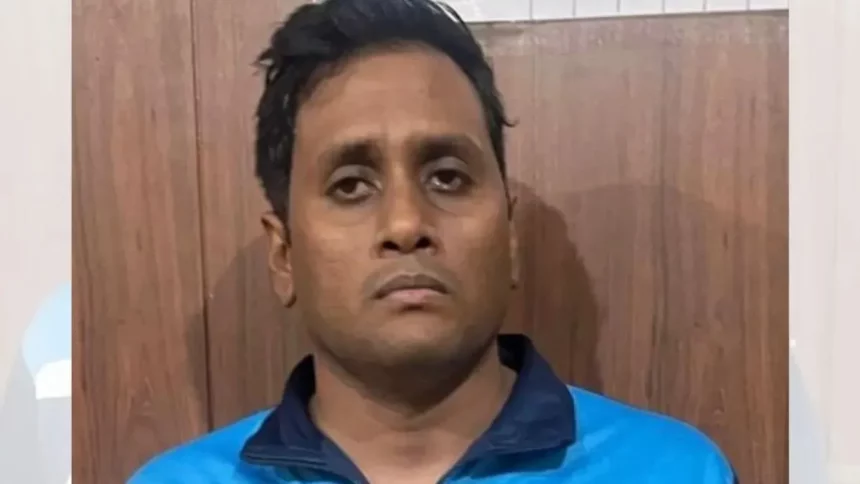
In a shocking case of identity fraud and deception, Noida Police have uncovered that a man who allegedly married a woman judge by posing as a senior official of the Union Home Ministry had fabricated three separate “mothers” to sustain his web of lies. The accused, identified as Sunit (full identity withheld by police pending verification), is now under investigation for cheating, forgery, impersonation and criminal misrepresentation. Police officials said that more victims and forged identities may emerge as the probe deepens.
Marriage Built on a False Identity
According to investigators, Sunit introduced himself to the woman judge as a senior Home Ministry officer — a claim supported by fabricated documents, staged phone conversations, and multiple forged identities. Police sources said he maintained at least three fake maternal identities, each used strategically to mislead the victim and authorities.
Officers privy to the investigation said the accused manipulated official-sounding conversations and documents to convince the judge and her family of his purported high-profile government role. The marriage was reportedly solemnised recently in Noida, after which inconsistencies in his background triggered suspicion.
Senior Noida Police officials confirmed that the victim, a serving judicial officer, lodged a complaint after discrepancies surfaced in Sunit’s personal details, employment status and family background. The complaint led to the unravelling of the elaborate impersonation scheme.
Police Investigation Reveals Layered Fraud
Investigators said Sunit had been living in Noida for several years and may have used similar tactics to deceive others in the past. Preliminary findings suggest that he created and used different “mothers” to corroborate various claims — including his supposed family status, government connections and social background.
Police said these fake characters were used during phone calls, meetings, and reference checks, often involving impersonation by other individuals believed to be part of a possible wider fraud network.
A senior investigating officer said:
“The accused presented forged identity cards, fabricated government letters and manipulated phone numbers to give the impression of authority. We are verifying each document and the locations he claimed to be associated with.”
Officers added that call detail records, digital footprints and banking transactions are now being analysed to determine the full extent of the fraud. The police are also checking whether he established contact with other individuals in the legal or administrative ecosystem.
Role of Home Ministry Identity Under Scrutiny
Authorities are examining how the accused sourced Home Ministry logos, formats and signatures for forged documents. Police have approached the Union Home Ministry for authentication of the spoofed IDs and communication samples purportedly issued in the name of the ministry.
Legal experts said impersonating a central government officer is a serious offence under multiple IPC sections, including cheating, forgery, impersonation of a public servant, and falsification of official documents. If proven, the accused could face long-term imprisonment.
Security and Verification Concerns Raised
The case has also sparked concerns about how easily individuals can use digital tools, publicly available templates and spoofing technology to impersonate high-ranking government officials. Former police officers said the incident underscores the need for improved verification tools and inter-departmental coordination.
Cybersecurity specialists added that voice alteration tools and AI-generated documents may be making it easier for fraudsters to create layered identities — such as in Sunit’s case where multiple “mothers” were crafted to authenticate his background.
A former DGP, speaking on condition of anonymity, said:
“Cases like this show how deeply fraudsters study bureaucratic structures and exploit trust. Stronger verification systems are needed, especially in matrimonial or professional disclosures.”
Victim Assistance and Judicial Sensitivities
Given that a sitting woman judge is the complainant, the case is being handled with confidentiality and heightened sensitivity. Police officials said psychological support and legal protection measures are being made available.
Judicial sources indicated that the incident has raised concerns among judiciary members about personal security and verification of individuals interacting with courts or judges in private capacity.
Opposition Demands Stronger Screening Systems
Opposition leaders criticised law enforcement agencies for not identifying the impersonator earlier, claiming that such incidents reflect vulnerabilities in identity verification systems. They demanded stricter protocols for verifying individuals claiming government roles.
A local opposition spokesperson said:
“If someone can impersonate a Home Ministry officer so convincingly that even a judicial officer is misled, it shows gaps in police verification procedures.”
Next Steps in the Investigation
Police are preparing to file multiple criminal charges and are likely to conduct searches at the accused’s residence and digital devices. Officers are also investigating possible accomplices who may have played the roles of the “three mothers.”
Authorities said more arrests could follow if evidence points to a broader network specialising in impersonation and matrimonial fraud.
As the investigation progresses, Noida Police are expected to release a detailed forensic and digital audit report. The case has sparked serious concerns regarding identity-based fraud, impersonation of government positions, and the increasing sophistication of deception crimes in urban centres.
The revelations have left the city stunned and raised urgent questions about personal verification practices — especially in high-stakes personal relationships involving individuals in sensitive professional positions.