New Delhi, 30 March 2026:
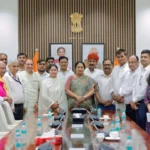
Marking the anniversary of the historic March 30, 1919 Rowlatt Satyagraha, Delhi Legislative Assembly Speaker Vijender Gupta met the Hon’ble President of India Droupadi Murmu at Rashtrapati Bhavan to honour the martyrs of the Chandni Chowk protest and highlight its significance in India’s freedom struggle.
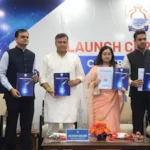
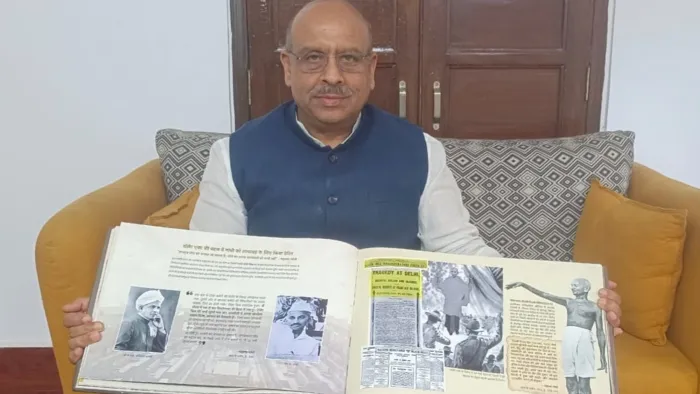
During the meeting, Shri Gupta apprised the President about the tragic yet heroic events that unfolded in Old Delhi in 1919, when unarmed protesters were fired upon during a peaceful demonstration against the Rowlatt Act. He also presented a Coffee Table Book titled ‘Shatabdi Yatra—Vir Vithalbhai Patel’, published by the Delhi Assembly Secretariat, which documents important milestones of India’s legislative and democratic journey.
President Emphasises Legacy of Sacrifice
President Droupadi Murmu emphasised the importance of remembering the sacrifices of the martyrs and ensuring that their legacy continues to inspire future generations. She stated that the flame of remembrance must be kept alive through collective national consciousness, as it is sustained by the sacrifices made by freedom fighters.
Addressing the youth of the country, the President remarked that while pursuing professional aspirations is important, it should always be accompanied by a strong sense of patriotism. She encouraged young people to remain connected to the nation’s history and never allow the memory of martyrs to fade, regardless of their career paths.
The President also expressed appreciation for the efforts made by the Delhi Assembly in documenting and preserving this important chapter of history. She directed that the Coffee Table Book be included in the Rashtrapati Bhavan Library, recognising its archival and historical value.
Historical Context of the Rowlatt Satyagraha
The events of March 30, 1919, represent one of the earliest large-scale protests against British colonial rule in Delhi. The demonstration was led by Swami Shraddhanand, who organised a peaceful Satyagraha against the repressive Rowlatt Act. Despite the non-violent nature of the protest, British forces opened fire near the Old Delhi Railway Station, resulting in the martyrdom of over 50 unarmed Indians.
Speaker Vijender Gupta highlighted that this incident played a crucial role in shaping the course of India’s freedom movement. He also noted that Mahatma Gandhi, who was present in Delhi during that period, later reflected on the unprecedented unity displayed during the protest, where people from different communities came together in resistance against colonial policies.
The Rowlatt Satyagraha is considered a turning point in India’s struggle for independence, as it marked the beginning of widespread mass mobilisation against British rule. The movement also laid the groundwork for future national movements, including the Non-Cooperation Movement.
Tributes at Historic Chandni Chowk
Earlier in the day, Vijender Gupta visited the historic Town Hall in Chandni Chowk to pay floral tributes to the martyrs of the 1919 protest. He also honoured the leadership of Swami Shraddhanand, whose role in organising the demonstration remains a symbol of courage and non-violent resistance.
The visit served as a reminder of the sacrifices made by freedom fighters and reinforced the Assembly’s commitment to preserving Delhi’s historical and democratic heritage.
Significance of the Meeting
The interaction between the Speaker and the President went beyond a formal engagement, reflecting a shared commitment to honouring India’s freedom struggle and ensuring that its lessons remain relevant. The discussion highlighted the need for continued efforts to document, preserve, and disseminate historical narratives that shaped the nation’s identity.
The President reiterated that the sacrifices of the martyrs must remain a guiding force for the nation, particularly for the younger generation, who will carry forward the responsibility of nation-building. The meeting highlighted the historical significance of the 1919 Chandni Chowk protest and emphasised preserving the legacy of India’s freedom struggle for future generations.
The meeting underscored the enduring relevance of the Rowlatt Satyagraha and its role in India’s journey toward independence. By recognising the sacrifices of the martyrs and promoting awareness of historical events, the Delhi Legislative Assembly aims to strengthen public understanding of the nation’s democratic roots.
As emphasised by both Vijender Gupta and Droupadi Murmu, preserving the memory of such defining moments is essential not only for honouring the past but also for inspiring a sense of responsibility and unity in future generations.