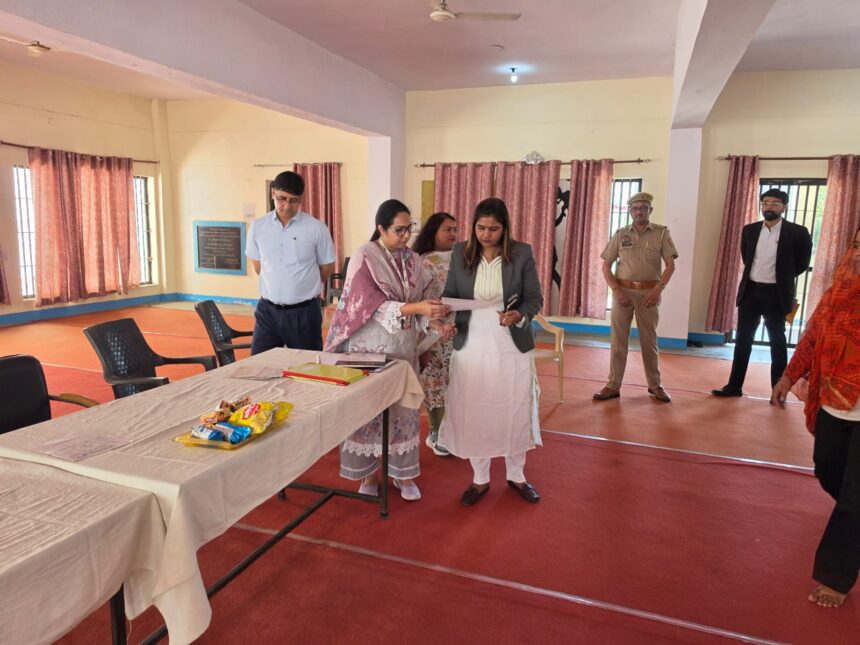
A routine inspection of the district jail in Gautam Buddh Nagar was conducted to review administrative arrangements, inmate conditions, and available facilities. The exercise aimed to ensure that the rights, health, and welfare of inmates are being maintained while identifying areas for improvement in prison management and services.
Inmate Strength and Status
During the inspection, officials reported that the jail currently houses 2,501 inmates. Additionally, three infants are residing with female inmates within the facility. It was also confirmed that no inmate is being held beyond the legally prescribed sentence period, indicating compliance with due legal procedures.
Skill Development and Rehabilitation Efforts
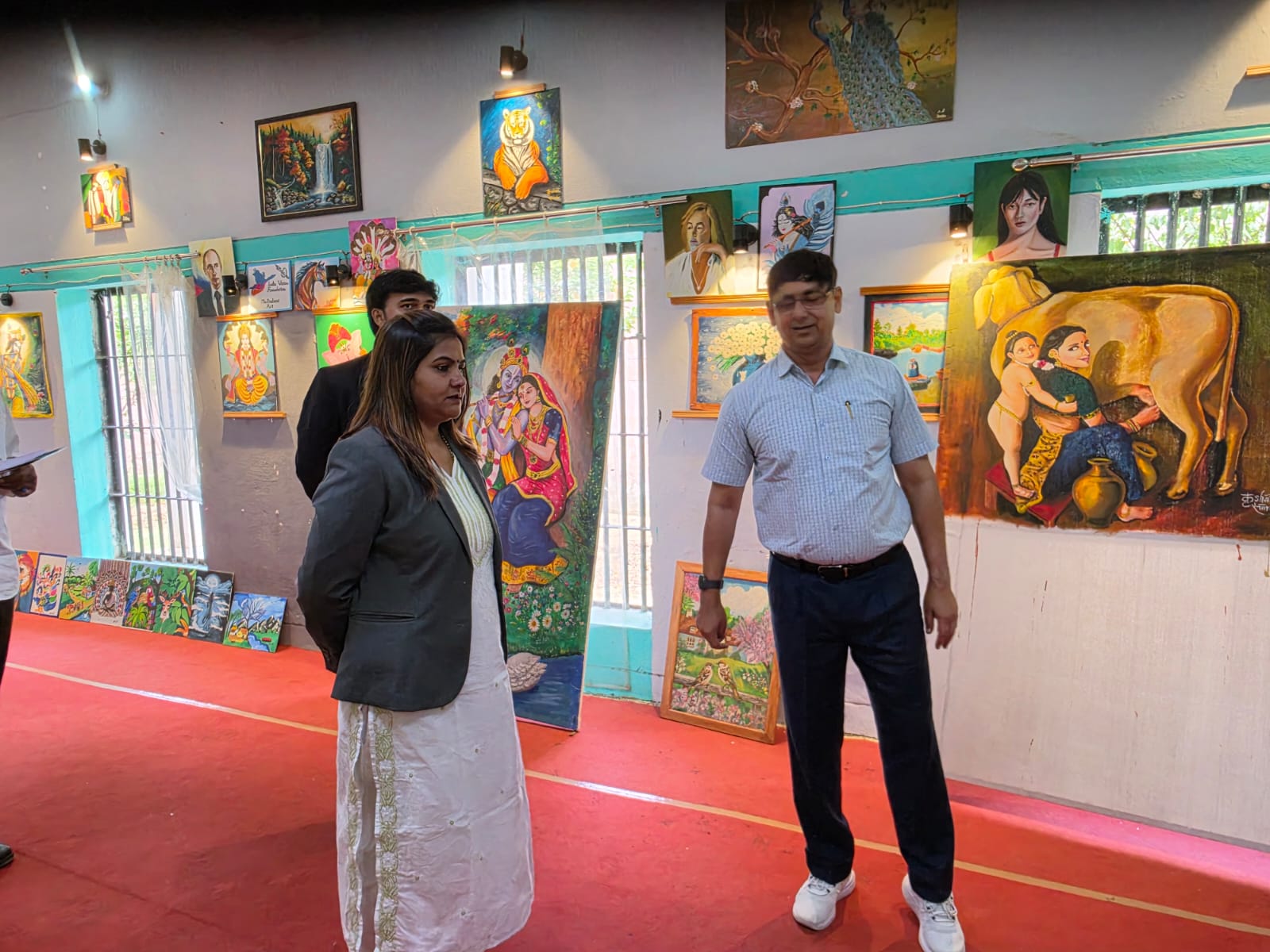
Various skill development and rehabilitation programs are being conducted within the jail to help inmates utilize their time productively. Activities such as hairdressing, dance classes, music training, painting, and tailoring are offered to equip inmates with practical skills. These initiatives are aimed at helping them reintegrate into society after release and become self-reliant.
Barrack Inspection and Record Review
The inspection included visits to juvenile and female barracks, where inmates were interacted with to understand the status of their cases. Records related to inmate cases were reviewed, and necessary instructions were issued to ensure corrections and proper documentation.
Review of Legal Aid Volunteers’ Work
Documents related to the work carried out by paralegal volunteers within the jail were also examined. Directions were given to improve the functioning and ensure that inmates receive timely and effective legal assistance.
Focus on Hygiene and Health
Authorities instructed the jail administration to maintain cleanliness in barracks, ensure quality food, and provide proper healthcare facilities in accordance with jail manual standards. Special attention was directed toward the health of infants and elderly inmates, particularly considering the ongoing summer conditions.
The inspection is seen as an important step toward improving prison administration and enhancing the living conditions and rehabilitation prospects of inmates