New Delhi, 20 December 2025:
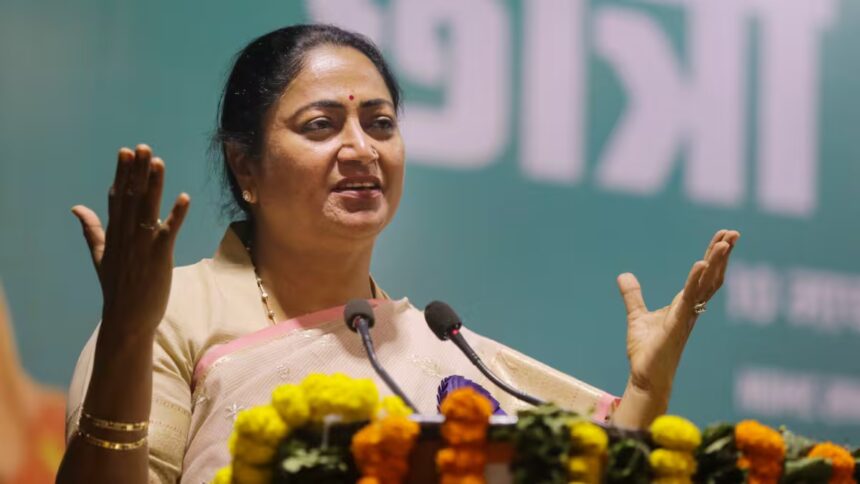
Delhi Health and Transport Minister Dr. Pankaj Kumar Singh held a detailed press conference at the Delhi Secretariat on Friday, highlighting the government’s multi-pronged approach to tackling air pollution while strengthening public health infrastructure. The minister outlined the integration of structural transport reforms, rapid EV adoption, and robust healthcare measures to safeguard citizens’ well-being.
Rapid Growth in EV Adoption and Public Transport Electrification
Dr. Singh noted that since the current government took office, the pace of electric vehicle adoption in Delhi has accelerated significantly. Over the past ten months, more than 100,000 EVs have been registered in the capital, compared to 80,000 registrations in the previous year under the former administration. The minister emphasised that the government’s zero-tolerance policy for polluting vehicles has been instrumental in ensuring compliance.
During a recent three-day intensive enforcement drive, over 12,200 traffic challans were issued and more than 100,000 PUC certificates were generated. On 19 December alone, 47,600 PUC certificates were issued, demonstrating the effectiveness of stringent monitoring and public participation. The campaign also involved stopping nearly 1,492 non-compliant vehicles from entering Delhi.
Dr. Singh highlighted that Delhi Transport Corporation (DTC) has now deployed 3,518 electric buses, with plans to expand the fleet to 5,000 by March 2026 and over 7,000 by November 2026. These steps aim to strengthen sustainable and green mobility across the capital, reducing transport-related emissions that contribute 20–25 percent of Delhi’s total pollution.
Enhanced Enforcement and Digital Monitoring
The minister explained that strict enforcement mechanisms have been implemented to ensure compliance with pollution norms. Fuel stations now operate 24-hour PUC inspection systems, and dedicated staff from DTC and Delhi Police monitor vehicles through digital systems and ANPR-based surveillance. Special enforcement campaigns at 15 major entry points into Delhi have further strengthened action against non-compliant vehicles.
Strengthening Public Health Infrastructure
Addressing the health impact of pollution, Dr. Singh assured citizens that the health department has intensified preparedness for pollution-related illnesses, including respiratory diseases and asthma. Government hospitals are maintaining adequate medicine stocks, deploying specialist doctors, and upgrading facilities to provide timely treatment.
Under the Ayushman Bharat scheme, Delhi has disbursed over ₹28 crore for patient care. The government is rapidly expanding Ayushman Arogya Kendras, currently operating 238 centres, with plans to open 200 more in the next two months. These centres provide in-house diagnostic facilities for over 90 tests, ensuring easy access to quality healthcare and reducing pressure on major hospitals.
To further enhance diagnostics, 12 MRI and 24 CT scan machines are being installed in government hospitals, improving access to affordable and timely services. Screening initiatives for TB, cervical cancer, and anemia have identified and enabled treatment for over 75,000 patients, aligning with the national goal of a TB-free India.
Zero Tolerance Against Substandard Medicines
Dr. Singh reaffirmed a zero-tolerance policy against fake and illegal medicines in the city. Continuous monitoring and strict enforcement measures have been implemented to ensure patient safety across Delhi.
The minister emphasised that combating pollution requires both source-level action and public health readiness. By integrating rapid EV adoption, the expansion of electric public transport, strict regulatory enforcement, and robust healthcare infrastructure, the Delhi Government is ensuring cleaner air while providing timely, quality healthcare to all residents. This combined strategy reflects a long-term commitment to sustainable urban living and citizen well-being.