New Delhi:
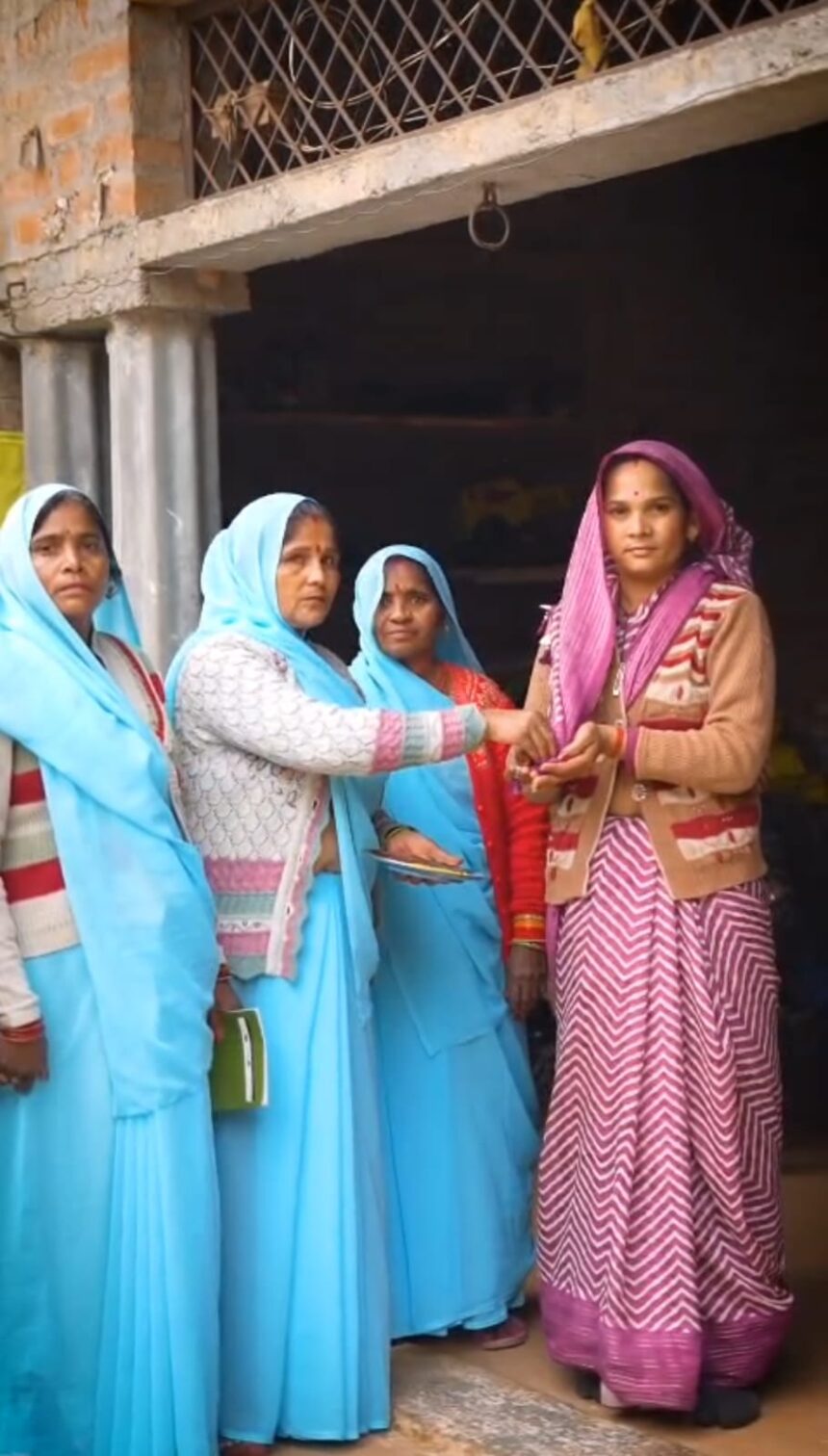
In a unique citizen-led initiative aimed at restoring the uninterrupted flow and cleanliness of the Yamuna River, more than 1,000 women, known as Jal Sahelis, will undertake a nearly 500-kilometre foot march from Bundelkhand to Delhi. Described by organisers as the first journey of its kind anywhere in the world, the month-long march will begin on January 29 from Pachnada in Jalaun district of Uttar Pradesh and conclude in the national capital on February 26.
Pachnada is the confluence of five rivers—Yamuna, Chambal, Sindh, Pahuj and Kunwari. From this historic site, the march will follow the course of the Yamuna, spreading awareness about the river’s ecological crisis, pollution, and the growing impact of climate change. At various stages of the journey, political leaders, cultural figures and social activists from across the country are expected to join the march in solidarity.
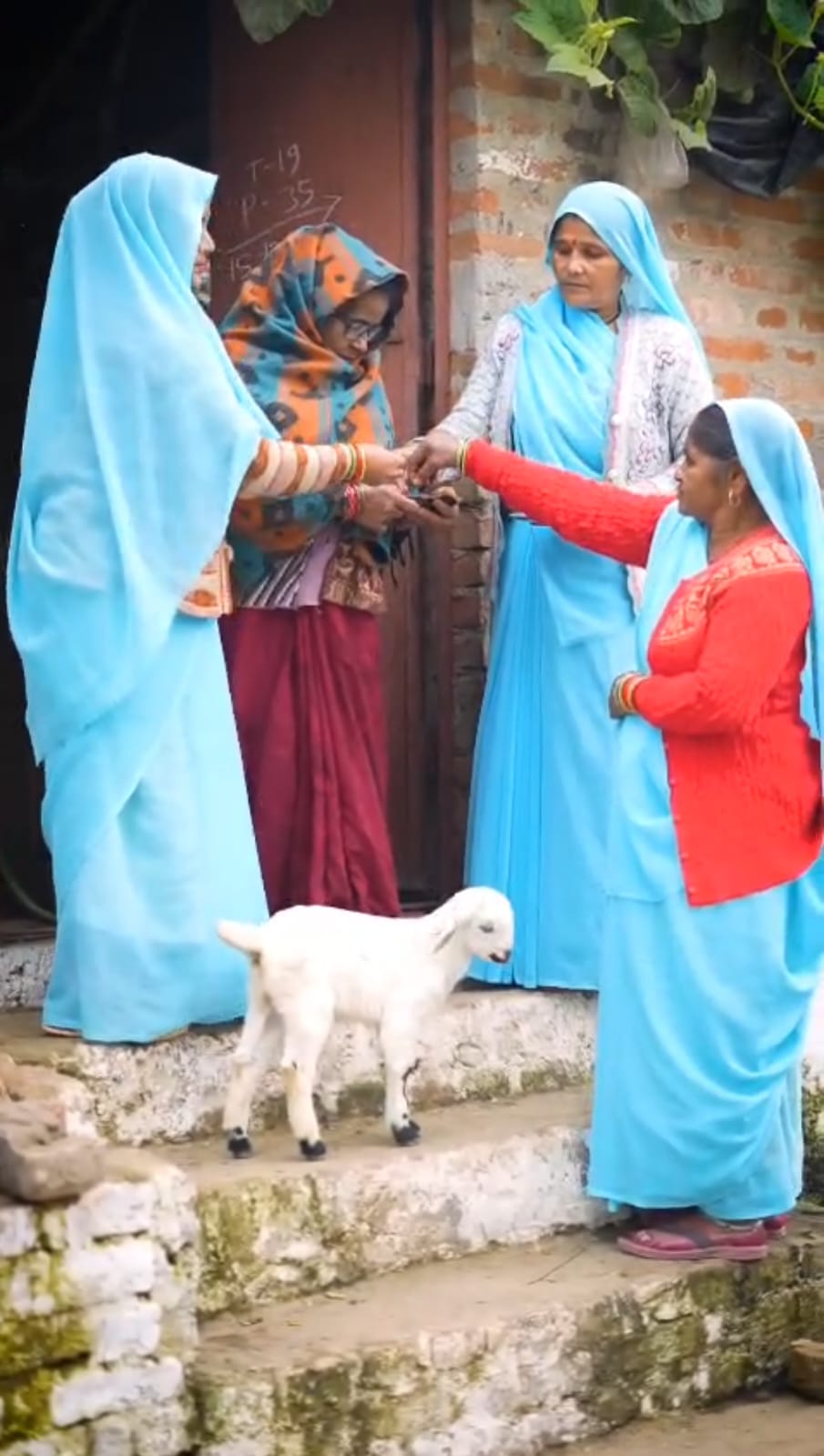
The march is being organised under the joint leadership of Parmarth social organisation, the Jal Saheli Committee and the Yamuna Sansad. Organisers said the objective is to ensure meaningful participation of society in restoring the Yamuna’s natural flow (aviralta) and cleanliness (nirmalta). The women participants will walk an average of 15 to 17 kilometres every day, making it one of the largest women-led river marches ever undertaken in India.
According to the organisers, the initiative seeks to complement national programmes such as Namami Gange, the Yamuna Action Plan, the Jal Jeevan Mission and the Amrit Sarovar scheme by adding social, behavioural and climate dimensions. The focus, they said, is not only on policy but also on community ownership and traditional knowledge systems related to water conservation.
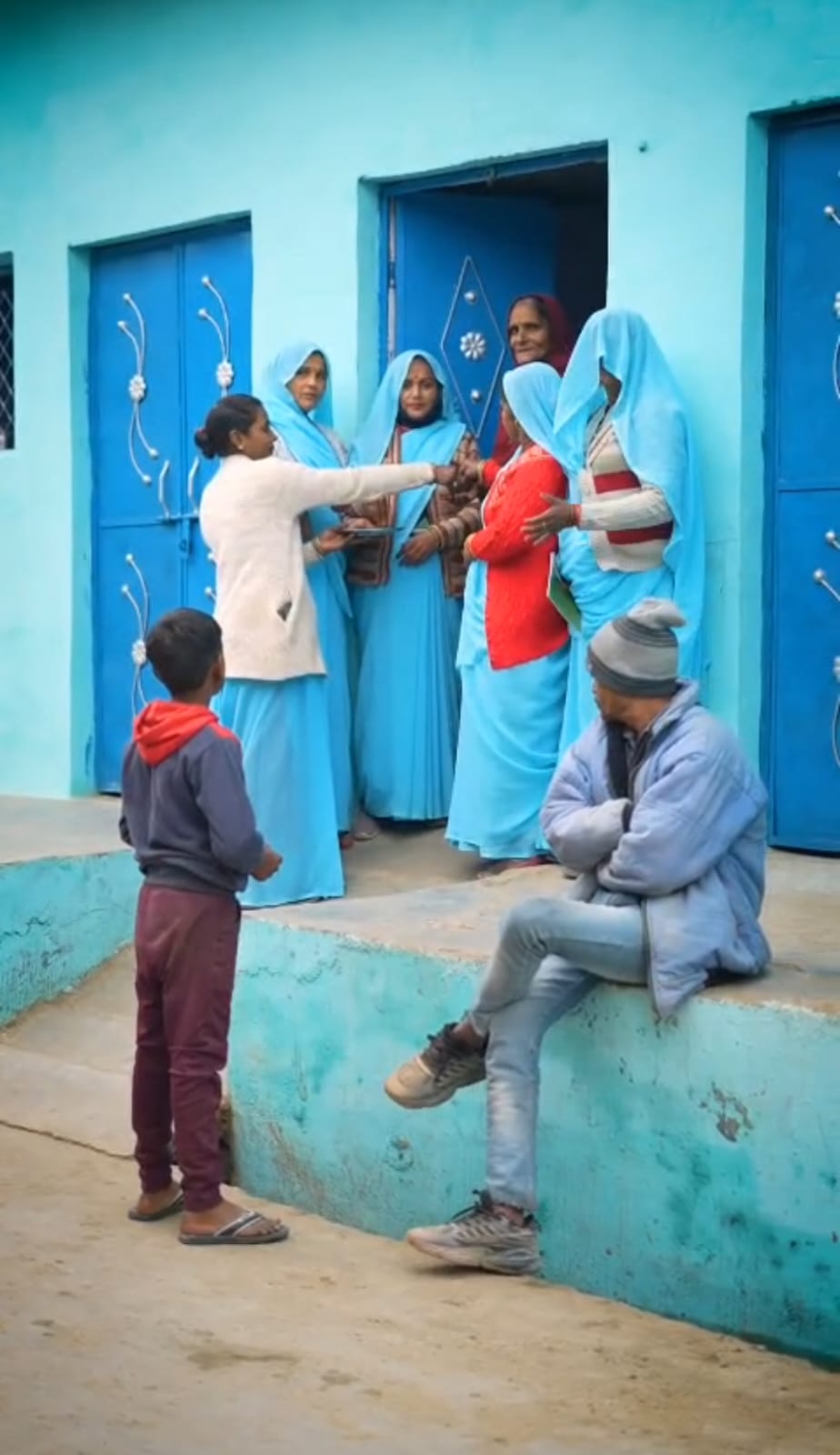
Calling the march the largest people-centric effort to save the Yamuna, Jal Saheli Committee founder Sanjay Singh said the journey goes beyond government initiatives. “This is a grassroots movement where women feel the pain of the river and offer solutions rooted in traditional wisdom. We invite Yamuna lovers from across the world to join us. Together, we will walk, understand the river’s suffering and work collectively to restore its flow and purity in partnership with society and the government,” he said.
Yamuna Sansad convenor Ravishankar Tiwari said the march is unprecedented in scale and intent. “For the first time anywhere in the world, over a thousand women will walk for an entire month solely for a river. This will sensitise communities living along the Yamuna and also connect global supporters with the river’s reality. The effort will continue beyond this journey, with sustained work from Yamunotri to Prayagraj to restore the river,” he said.
The organisers said the march builds on Parmarth’s three decades of work in water conservation and river rejuvenation in Bundelkhand. As part of this effort, the Jal Saheli initiative was launched in 2011, empowering over 3,000 rural women. These women have helped revive hundreds of traditional water sources, built check dams, formed water councils and made more than 100 villages water-secure. The Jal Saheli model has received national recognition, including appreciation by the President of India and the Prime Minister through the “Mann Ki Baat” programme.
This is not the first such journey by the Jal Sahelis. In 2025, they undertook a 300-kilometre water march from Orchha to Jata Shankar Dham in Madhya Pradesh, involving around 1,000 women. That initiative connected nearly one million people through water dialogues, identified more than 300 defunct ponds and led to the revival of several traditional water bodies.
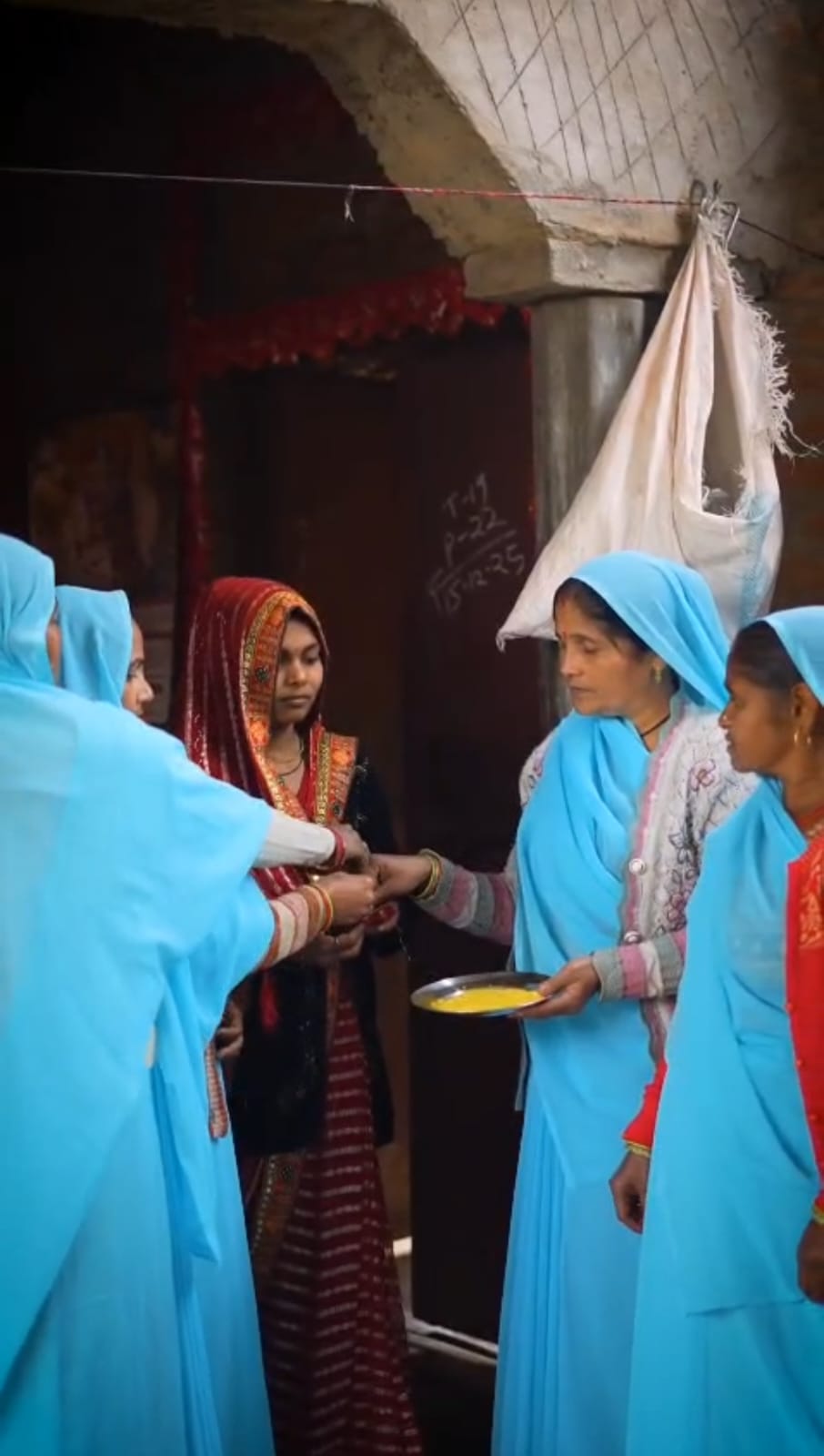
During the upcoming Yamuna march, a range of activities will be held to keep the journey dynamic and participatory. These include river-side community meetings, cleanliness drives at ghats, tree plantation, discussions with students, farmers and youth on water conservation and climate adaptation, participatory mapping of polluted drains and encroached wetlands, and cultural programmes highlighting traditional water knowledge. Structured consultations with local administrations, industries and public representatives are also planned, and the findings will be shared with national and state authorities.
The march aims to raise awareness about pollution sources, irregular rainfall, droughts and floods, promote chemical-free and river-friendly farming, strengthen women’s leadership in environmental governance, and build partnerships for long-term river restoration. Expected outcomes include direct engagement with over five lakh people, formation of new action groups in 200 villages, improved groundwater recharge through identification of ponds and wetlands, and the adoption of climate-resilient practices.
The journey will conclude in Delhi with the presentation of a “Yamuna Rejuvenation Charter,” outlining commitments and recommendations for restoring the river’s health. Organisers hope the march will become a model for community-driven river conservation efforts across India and inspire similar movements for other tributaries.
The Yamuna, originating from the Yamunotri glacier, flows for 1,376 kilometres before merging with the Ganga at Prayagraj. Despite its immense religious, cultural and agricultural significance, the river today faces severe pollution, especially in its Delhi stretch, where it supplies more than 70 percent of the city’s water but resembles a sewage drain in several places. Climate change has further intensified risks through glacier melt, erratic monsoons, floods and droughts, affecting livelihoods across Bundelkhand and districts such as Jalaun, Etawah, Agra and Mathura.
Organisers said the march is an attempt to give the Yamuna a collective voice—led by women, rooted in communities, and driven by the shared responsibility to protect one of India’s most sacred rivers.