New Delhi, December 23, 2025:
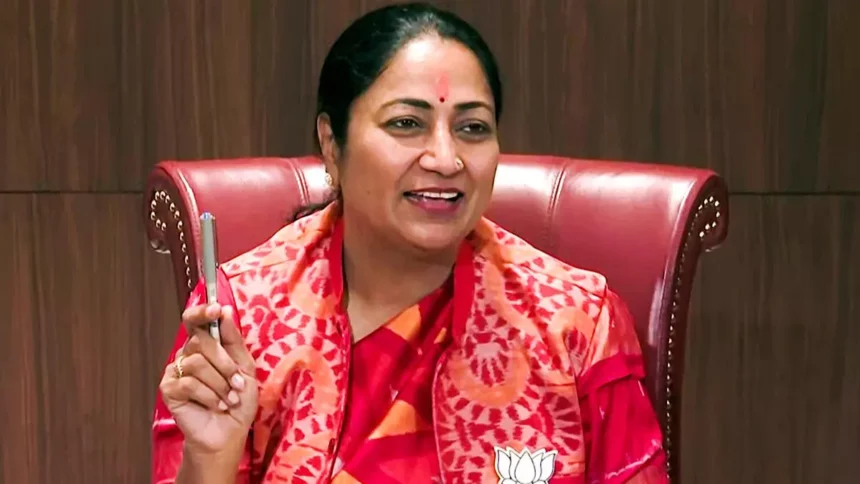
The Delhi Cabinet, chaired by Chief Minister Rekha Gupta, on Monday approved a series of significant public interest decisions aimed at strengthening environmental sustainability, improving public transport services, conserving water resources, and ensuring smooth legislative functioning. The decisions were taken during a cabinet meeting held at the Delhi Secretariat and are expected to play a key role in shaping the capital’s long-term development.
Briefing the media after the meeting, Chief Minister Rekha Gupta said the government is committed to building a clean, well-organised and citizen-friendly capital. She underlined that the government’s development agenda goes beyond infrastructure creation and focuses on ensuring direct benefits for the common people, particularly the poor, middle class and marginalised sections. According to the Chief Minister, the cabinet decisions reflect a balanced approach that integrates environmental protection, public convenience, social justice and sustainable urban growth.
One of the most significant approvals was the establishment of an e-waste eco park in Holambi Kalan. The Chief Minister said the project will position Delhi as a national model for scientific and environmentally safe e-waste management. She noted that Delhi generates nearly 2.5 lakh tonnes of electronic waste every year, around 90 percent of which is currently handled by the unorganised sector using unsafe recycling methods, posing serious risks to human health and the environment.
The Holambi Kalan e-waste eco park will be developed in its first phase over approximately 11.4 acres of land, with a minimum processing capacity of 51,000 metric tonnes per year. The facility will be capable of handling more than 100 categories of e-waste notified under the E-Waste (Management) Rules, 2022. Activities at the park will include collection, dismantling, recycling, recovery of valuable metals and other scientific recycling processes. The project aims to curb air, water and soil pollution caused by unscientific e-waste disposal.
The implementation responsibility of the project has been assigned to the Delhi State Industrial and Infrastructure Development Corporation (DSIIDC) under the Environment Department. The Chief Minister said the project is likely to attract private investment of around ₹250 crore, while the government will not provide any direct financial support in this phase. An important objective of the eco park is to integrate workers from the unorganised e-waste recycling sector into a formal, safe and regulated system by providing them with modern infrastructure, training and a secure working environment. The project is also expected to generate green employment and strengthen the Extended Producer Responsibility framework. The Detailed Project Report has already been approved, and land-use conversion from residential to utility category was cleared by the Union Ministry of Housing and Urban Affairs in June 2025.
The cabinet also approved a major initiative for the protection and rejuvenation of water bodies across Delhi. A new major budget head has been sanctioned under the Revenue Department to facilitate the implementation of this plan. Chief Minister Rekha Gupta said the objective is to revive neglected and damaged water bodies, improve groundwater levels and strengthen the city’s environmental balance.
She informed that the Delhi Pollution Control Committee has already transferred ₹19.62 crore to the Revenue Department for water body rejuvenation works. These funds will be utilised for desilting, construction of boundary walls, development of walking tracks and ecological restoration of water bodies under the jurisdiction of the Revenue Department, Panchayat Directorate and Block Development Officers. Additional funds, if required, will be provided in the upcoming budget. District-level committees headed by District Magistrates will monitor the progress of the works. The Chief Minister said revitalised water bodies will be developed as attractive public spaces, offering recreational opportunities while enhancing the city’s aesthetics, with active involvement of local communities to ensure long-term conservation.
In another key decision, the cabinet approved transferring the operation of Delhi’s bus services from DIMTS to the Delhi Transport Corporation. This arrangement will come into effect from the next financial year. According to the Chief Minister, the move will help improve service quality, simplify route rationalisation and provide greater stability to drivers and conductors.
The cabinet also cleared the proposal to convene the winter session of the Delhi Legislative Assembly from January 5 to January 8, 2026. The Chief Minister said the duration of the session may be extended if required, and important public interest issues will be taken up for discussion during the session.
Chief Minister Rekha Gupta said the cabinet’s decisions underline the government’s long-term, citizen-centric vision for Delhi. She reiterated that the government will continue to frame policies that balance development with environmental protection, strengthen public services and ensure inclusive growth for all sections of society.