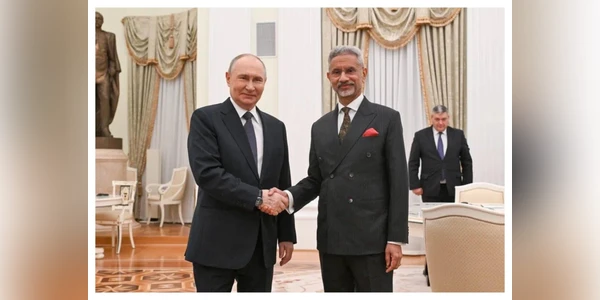
As diplomatic temperatures rise globally, Moscow has reassured that trade with India—especially in oil—will remain largely unaffected by recent Western sanctions, asserting that only minimal and temporary disruptions are expected. The Kremlin emphasized that both nations are working actively to preserve bilateral commercial volumes, deploying existing mechanisms to cushion against external pressure. Their statement, issued just before Russian President Vladimir Putin’s upcoming summit with Indian leaders, underscores a clear intent to stabilize trade relations and safeguard energy and economic cooperation from geopolitical turbulence. India and Russia appear poised to navigate sanctions through alternative supply routes and strategic coordination rather than sudden cutoffs, reinforcing long-term partnerships even amid shifting global dynamics.
Russia Signals Confidence Amid Sanctions: Trade Dip Not Inevitable, Implementation of Measures Underway
On the eve of a major diplomatic engagement between New Delhi and Moscow, Russia moved to quell fears over the impact of recent sanctions on oil trade. A spokesman from the Kremlin declared that though the sanctions target major Russian oil producers, their effects on India’s energy imports and overall trade would be “insignificant” in the long run. The assurance came with a promise that both governments are working closely to implement strategies aimed at stabilizing trade volumes and insulating bilateral commerce from external pressure. With aims to expand mutual trade to $100 billion by 2030, Moscow and New Delhi appear committed to coordinating supply chains, adjusting sourcing patterns, and ensuring that Indian refineries continue to receive adequate crude even under restrictive global conditions.
While acknowledging that brief dips may occur, the Russian statement stressed the country’s prior experience in operating under sanctions regimes — suggesting that its oil-export infrastructure, logistics, and alternative trade mechanisms are already equipped to handle such pressures. The emphasis was on resilience; Russia reaffirmed that the bilateral relationship with India is built on mutual trust, long-term strategic vision, and a shared commitment to upholding global norms that respect sovereignty and equitable trade practices.
The Times of India
Through diplomatic channels, Moscow appears keen to ensure India faces minimal disruption in crude supply or trade goods. The statement arrives at a critical juncture, shortly before a high-level summit where both sides are expected to review not only energy ties but also broader trade and defence cooperation. Analysts watching closely suggest that this early reassurance is intended to send a message not only to India but also to global observers that Russia values its Asian partnerships and intends to uphold them despite sanction pressures.
India’s Energy Strategy and the Global Context: Diversions, Discounts and Adaptation
India’s reliance on Russian crude has historically provided it with cost advantages, especially during global supply disruptions. With Western nations imposing sanctions on major Russian oil companies, Indian refiners faced a complex dilemma — maintain supply continuity or cease purchases and risk energy shortages or higher costs. However, industry analysts note that the impact might be softened by market dynamics: steeper discounts on Russian crude and competitive pricing from alternative suppliers have helped refiners adjust without passing steep costs to consumers.
In this context, Russia’s assurance to uphold trade flows is critical. For many Indian refiners, discounted Russian crude remains economically viable, and the flexibility to source from non-sanctioned entities or even reroute imports through third-party intermediaries offers breathing room. This strategic flexibility allows India to mitigate supply risks while maintaining energy security. Some experts suggest that rather than a complete cutoff, the trade volume may stabilize at a slightly lower level, with refiners making up the shortfall through diversified global sourcing and adjusted procurement
Critics, however, caution that depending excessively on discounted crude from Russia under sanctions carries long-term risks. Geopolitical volatility, potential supply disruptions, and global scrutiny could threaten supply stability. Therefore, while the current market conditions and diplomatic assurances create a favourable environment, India may increasingly look to diversify its energy procurement portfolio. China, Middle Eastern producers, and even pipeline-based supplies could see renewed interest — especially as nations worldwide navigate shifting alliances and regulatory landscapes.
Nonetheless, Moscow’s commitment provides a crucial buffer for Indian policymakers and industry stakeholders. Within the framework of the upcoming summit, both nations may formalize mechanisms to safeguard trade — including alternate payment channels, stockpiling strategies, and long-term contracts that shield bilateral commerce from future sanctions or geopolitical shocks. If implemented effectively, such measures could help India maintain energy security and trade stability without compromising on international relationships or economic fundamentals.