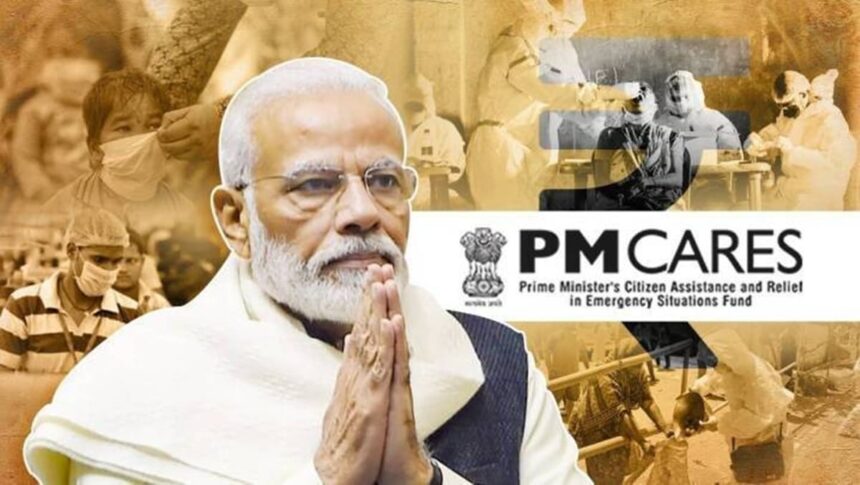
The ongoing debate over the transparency and accountability of the Prime Minister’s Citizen Assistance and Relief in Emergency Situations Fund (PM CARES) has intensified, raising critical questions about the role of Parliament, public scrutiny, and citizens’ right to know how funds are collected and utilized. Recent communications from the Prime Minister’s Office (PMO) to the Lok Sabha Secretariat have reportedly restricted parliamentary questions regarding PM CARES, the Prime Minister National Relief Fund (PMNRF), and the National Defence Fund (NDF), citing procedural rules. This development has sparked concern among transparency advocates and legal experts, who argue that withholding information undermines democratic accountability and the constitutional obligation of elected representatives to seek information on behalf of citizens. Anjali Bharadwaj, a well-known transparency rights activist, has compared this situation to the challenges faced by citizens seeking information under the Right to Information (RTI) Act, noting that these funds are collecting vast sums of public money yet remain shielded from public and parliamentary scrutiny. The controversy highlights the tension between procedural interpretations of House rules and the broader principle that public-facing funds must be accountable to the people and their representatives.
Parliamentary Accountability and the Question of Public Authority
The PM CARES Fund was established on March 28, 2020, shortly after the onset of the COVID-19 pandemic, and within days of the close of the financial year 2020–21. While the government actively promoted contributions from public sector units (PSUs), emphasizing that the fund had been created by the central government, it later resisted transparency demands under the RTI Act by claiming that the fund did not qualify as a public authority. This dual stance has created significant confusion and controversy. On one hand, contributions from PSUs, taxpayers, and private donors are solicited as if they are part of a government initiative. On the other hand, when information is requested, the government classifies the fund as a private trust, arguing that it is not obligated to provide details of contributions, expenditures, or administrative decisions.
The structural setup of PM CARES further complicates accountability. The Prime Minister of India serves as the ex-officio chairperson, while the Home Minister, Defence Minister, and Finance Minister are trustees in their ex-officio capacities. Despite this high-level government oversight, the fund is described as a private entity, which, according to activists, creates a deliberate opacity. This classification has prevented parliamentary scrutiny and restricted the exercise of a fundamental democratic function: questioning public funds. Advocates argue that such a setup undermines the principle that constitutional officeholders managing public-facing funds should be accountable to elected representatives and, through them, to citizens. The selective denial of transparency parallels issues previously observed in the electoral bond system, where opaque funding channels obscured the sources and beneficiaries of political contributions. Critics suggest that similar risks exist with PM CARES, as undisclosed donations could potentially influence regulatory decisions or reward certain entities, particularly in areas where government oversight and approvals intersect with commercial interests.
The PMO’s communication to the Lok Sabha Secretariat, stating that questions regarding PM CARES, PMNRF, and NDF are “not admissible” under existing parliamentary rules, has exacerbated these concerns. Transparency advocates, including Anjali Bharadwaj, argue that the government is effectively restricting both elected representatives and citizens from obtaining critical information. This denial is viewed as a continuation of the precedent set under RTI refusals, where information on the fund’s operations was consistently withheld. By preventing parliamentary questions, the government restricts a core accountability mechanism, raising questions about what is being deliberately concealed from public view. Critics emphasize that this situation challenges the very essence of representative democracy, where elected officials are expected to hold public authorities accountable for the collection and disbursement of citizens’ money. The denial also prompts scrutiny of the Lok Sabha Secretariat’s role in potentially acting as a conduit for PMO directives that limit parliamentary oversight.
Legal, Ethical, and Governance Implications of Limited Transparency
The opacity surrounding PM CARES has sparked broader debates about constitutional, legal, and ethical obligations in managing public funds. Under Indian law, funds raised for public purposes, particularly those involving taxpayer contributions, are generally expected to operate with accountability and transparency. The government’s insistence that PM CARES does not constitute a public authority directly challenges this expectation, leaving citizens and lawmakers with limited recourse to verify financial practices. According to transparency advocates, this setup represents a structural contradiction: the fund is promoted as a central government initiative when soliciting money but shielded from accountability when scrutiny is demanded. Such duality undermines public confidence and creates a perception of selective governance, where financial flows are controlled without appropriate oversight.
The implications extend beyond procedural disputes. Large sums of money—running into thousands of crores of rupees—have been contributed by PSUs, private corporations, and individuals. Without independent audits and public disclosure, there is no mechanism to ascertain how funds are allocated, which projects are prioritized, or whether any conflicts of interest exist. Questions about regulatory influence, procurement decisions, and potential quid pro quo arrangements remain unanswered, fueling concerns that lack of transparency could compromise fairness and governance. In addition, the absence of published audit reports since 2022 intensifies the perception of secrecy and raises questions about whether financial accountability is being maintained at all. Critics argue that publishing detailed audits and financial statements should be a fundamental requirement, ensuring both public oversight and institutional credibility.
The comparison with electoral bonds illustrates the broader risk of opaque financial mechanisms. Electoral bonds, designed to shield the identity of donors to political parties, were criticized for enabling undisclosed influence over policy and decisions. Similarly, PM CARES’s classification as a private trust, despite public-facing contributions, creates the potential for unmonitored influence, particularly when large corporations and public sector entities participate in funding. Transparency advocates suggest that citizens have a right to know whether contributions from specific entities coincide with favorable government policies or regulatory outcomes, as the potential for quid pro quo remains a significant concern. The absence of clear reporting and parliamentary oversight weakens the checks and balances that are fundamental to governance in a democratic system.
The restriction of parliamentary questions also raises constitutional and democratic concerns. Members of Parliament, elected to represent citizens, rely on their ability to question the government and its affiliated funds to ensure accountability. When the Lok Sabha Secretariat, under PMO guidance, restricts admissibility of questions related to PM CARES, it effectively denies representatives the tools to perform their legislative and oversight functions. This, in turn, restricts citizens from exercising their right to know and diminishes transparency in the management of funds collected ostensibly for public welfare. Legal experts emphasize that democratic accountability requires not only procedural compliance but also substantive access to information about public funds, their sources, and their use. Any denial of such access raises questions about the balance between procedural rules and the fundamental right to transparency.
The issue also intersects with ethical considerations. Donations to PM CARES, while intended for disaster relief and public welfare, carry implications for fairness and integrity if governance mechanisms fail to ensure accountability. Without disclosure, it is impossible to confirm whether fund allocation aligns with public interest or whether private interests influence project selection and execution. The lack of visibility into funding sources, combined with the classification of the fund as a private entity, fuels skepticism about governance practices and reinforces concerns that financial transparency is being deliberately restricted to avoid scrutiny. Transparency advocates argue that such opacity undermines trust in both the government and public institutions, particularly when funds are sourced from taxpayer money and charitable contributions solicited from PSUs and private corporations.
Bharadwaj has emphasized that the denial of parliamentary questions is part of a broader pattern of limiting scrutiny. The argument that PM CARES is not a public authority mirrors prior attempts to exclude the fund from RTI obligations. Activists contend that such restrictions constitute a serious accountability deficit and suggest that legal challenges are necessary to clarify the status of the fund, as well as similar funds like PMNRF and NDF. These challenges are expected to reach courts, with advocates seeking judicial recognition that public-facing funds, chaired by constitutional officeholders and collecting vast sums from the public, cannot be exempted from transparency norms. Legal interventions, they argue, are critical to preserving citizens’ rights to information and ensuring that funds intended for public welfare are not diverted or mismanaged.
The consequences of restricted scrutiny are tangible. Citizens are directly affected when funds intended for disaster relief, medical support, or emergency response are managed without transparency. Public confidence, regulatory oversight, and equitable allocation of resources are all undermined when information is withheld. This lack of accountability has implications for trust in governance and raises concerns about potential conflicts of interest. Examples from past incidents, such as pharmaceutical regulation during crises or public contracting practices, illustrate the potential risks of undisclosed financial influence. Transparency advocates argue that revealing the flow of funds is essential to prevent corruption, ensure ethical administration, and maintain citizen confidence in government-managed relief initiatives.
The PM CARES transparency debate also underscores a broader tension between centralized authority and parliamentary oversight. While the Prime Minister and key Cabinet ministers serve as ex-officio trustees, the insistence on classifying the fund as private limits both parliamentary and public access to information. This structural ambiguity raises critical questions about accountability mechanisms in India’s governance framework, particularly for high-profile funds that operate with public contributions. Advocates argue that Parliament, as the representative body of citizens, must retain the ability to question such funds to uphold democratic principles and ensure that public money is managed ethically and responsibly. The denial of information challenges the balance between administrative discretion and representative oversight, reinforcing the need for judicial clarification on the status and obligations of PM CARES.
The lack of published audit reports since 2022 further accentuates concerns. Without independent verification of financial records, expenditure decisions, and donor contributions, there is limited assurance that funds are being utilized as intended. Transparency advocates argue that such gaps weaken public oversight and create an environment where misuse or misallocation could go undetected. The judiciary, legal experts, and civil society have highlighted that public-facing funds, particularly those chaired by top constitutional officeholders, require robust mechanisms for accountability, including regular audits, disclosure of donations, and parliamentary scrutiny. By withholding such information, the government risks eroding trust and legitimacy in both the fund itself and the broader institutions responsible for governance.
The PM CARES secrecy row is emblematic of deeper issues concerning transparency, accountability, and democratic governance in India. The denial of parliamentary questions, the classification of the fund as a private trust, the absence of audit disclosures, and the historical RTI refusals collectively create a significant governance challenge. Transparency activists and legal experts argue that these issues require judicial intervention, public discourse, and potential legislative clarification to ensure that funds intended for public welfare operate with full accountability. The debate also highlights the importance of safeguarding the right to information, preserving parliamentary oversight, and maintaining public trust in governance, particularly for funds that mobilize significant resources from citizens and corporations alike.