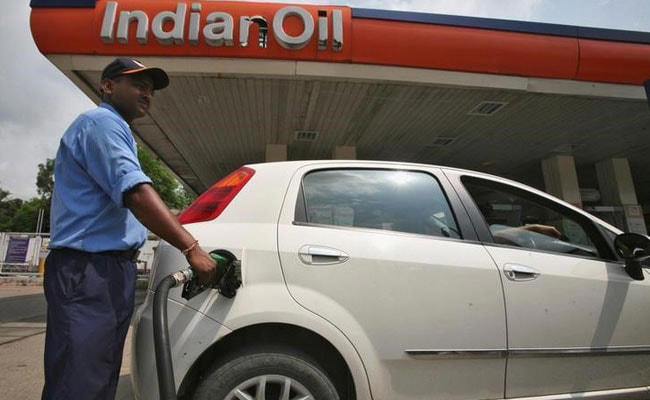
Starting today, Delhi’s fuel stations will stop dispensing petrol and diesel to over 62 lakh ‘end-of-life’ vehicles as part of the government’s push to control the alarming pollution levels in the capital. This move, one of the most stringent anti-pollution measures in the city’s history, impacts petrol vehicles older than 15 years and diesel vehicles older than 10 years, and is expected to directly address the vehicle emissions that contribute over half of Delhi’s local pollution load.
The Commission for Air Quality Management (CAQM) had issued Statutory Direction No. 89 to curb pollution from old vehicles, following a report by the Centre for Science and Environment (CSE) in November 2024, which highlighted that vehicles account for 51 percent of pollution from local emission sources in Delhi. This move will not only impact Delhi but will also affect overaged vehicles across NCR, including 27.5 lakh in Haryana, 12.69 lakh in Uttar Pradesh, and 6.2 lakh in Rajasthan.
How the Fuel Ban Will Be Enforced
The Delhi government’s Transport Department has planned a coordinated enforcement drive with Delhi Police, Traffic Police, and the Municipal Corporation of Delhi (MCD) to monitor fuel stations and stop refuelling for overaged vehicles.
Police personnel will be deployed at fuel stations with high traffic of old vehicles, with the Delhi Police managing stations numbered 1 to 100, while the Transport Department will deploy 59 teams across stations numbered 101 to 159. One traffic police officer will be stationed at each of the 350 identified fuel stations to monitor compliance, supported by two additional police personnel per station to maintain law and order during the implementation.
Automatic Number Plate Recognition (ANPR) cameras, installed at 498 fuel stations across Delhi, will identify end-of-life vehicles in real-time by cross-verifying number plates with the VAHAN database. If a vehicle flagged as overaged arrives for refuelling, the system will alert the fuel station operator and notify enforcement agencies for potential impounding and scrapping of the vehicle.
Public Concerns Over Sudden Implementation
While the policy aims to reduce pollution, many stakeholders on the ground have raised concerns about the immediate enforcement without a trial run. Nischal Singhania, a Delhi fuel dealer, expressed the need for a phased rollout, questioning how long enforcement teams would remain at stations and how dealers would manage checks later, highlighting fears of penalties if vehicles slip through unnoticed.
Commuters have echoed similar concerns. Mohit, a daily commuter, suggested a 15 to 30-day trial period, stating that many drivers, especially those less informed, would face unexpected difficulties, particularly people transiting through Delhi who may not be aware of the ban.
During a visit to a Green Park fuel station in Delhi, NDTV found that staff were yet to receive formal training on how to deny fuel to violators. A two-wheeler rider questioned the blanket ban on old vehicles, pointing out that many well-maintained vehicles might not significantly harm the environment and that a PUCC (Pollution Under Control Certificate) should suffice in such cases.
While Delhi’s air quality remains a critical concern, the success of this large-scale enforcement will depend on how effectively the government can balance strict pollution control with on-ground realities, ensuring public cooperation and preventing inconvenience while addressing the pollution crisis in the national capital.