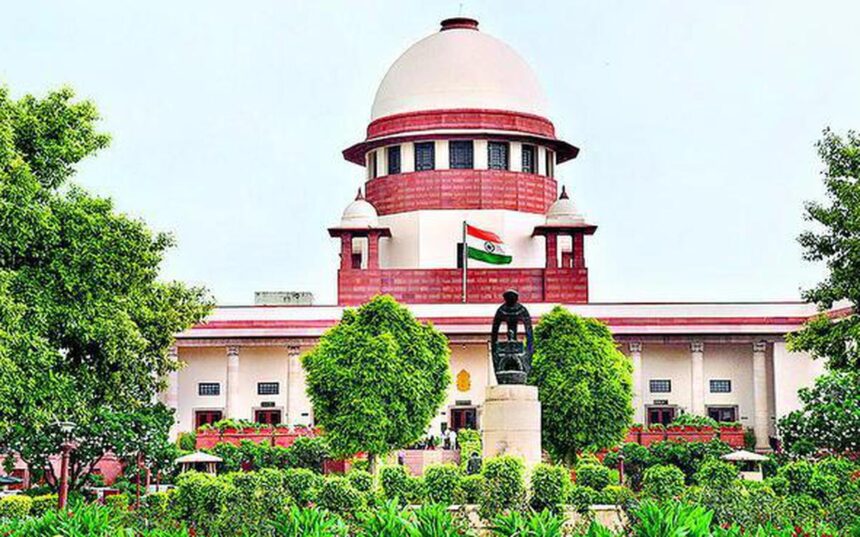
The Supreme Court of India on Monday announced an extension of the deadline for the completion of the Special Intensive Revision (SIR) of electoral rolls in West Bengal by one week, providing additional time to ensure accuracy and fairness in the ongoing exercise. This development comes amid the high-stakes scrutiny of the voter list revision process, which has generated significant political debate and administrative attention in the state. The court’s interim order grants the Electoral Registration Officers (EROs) and Assistant Electoral Registration Officers (AEROs) until February 21, 2026, to complete their verification of documents, objections, and final decisions. Chief Justice of India Surya Kant, leading the bench, emphasized that while the court is extending timelines, it will not create any impediments or obstacles that could hinder the completion of the revision exercise. The decision highlights the apex court’s commitment to balancing procedural efficiency, electoral integrity, and the protection of citizen rights in one of India’s politically sensitive states. With large-scale revisions underway, involving thousands of voters and officials, the extension aims to ensure that every eligible voter’s information is scrutinized thoroughly, without compromising on accuracy or fairness.
The Supreme Court’s directions come after petitions challenging aspects of the SIR process were filed by West Bengal Chief Minister Mamata Banerjee and other stakeholders, raising concerns regarding manpower shortages, procedural delays, and potential administrative hurdles. The court acknowledged these concerns while stressing the importance of allowing EROs full discretion in decision-making and clarifying that micro observers and state officials are there solely to assist, not replace, the statutory authorities. By granting an additional week, the court ensures that officials can carefully review objections, verify documents, and prevent any inadvertent exclusion of voters from the electoral rolls. The decision is significant in light of political sensitivities and ongoing scrutiny from multiple stakeholders, including the Election Commission of India (ECI), which had previously informed the court about inadequate manpower provided by the state government for the revision exercise. The Supreme Court’s intervention, therefore, is intended to streamline the process while maintaining transparency, impartiality, and procedural compliance.
Extension of Deadlines and Role of Government Officials in the Revision Process
Under the court’s interim order, the West Bengal government has been instructed to ensure that 8,555 Group B officers, whose names were submitted to the Supreme Court, report to their respective district electoral officers by 5 pm on the designated date. These officers are to be trained briefly over a period of one or two days to function as micro observers, assisting EROs and AEROs in scrutinizing voter documents and objections. The court clarified that the primary responsibility for verification and final decision-making rests with the EROs, while micro observers and state government personnel serve only in a supporting capacity. This clarification addresses concerns about the potential misuse of newly inducted officials and underscores the necessity of retaining statutory authority with designated electoral officers. By emphasizing structured assistance, the apex court seeks to prevent any dilution of responsibility and ensure a consistent approach to evaluating objections, verifying documentation, and updating the electoral rolls.
The extension also provides a buffer for handling additional procedural complexities that have arisen due to the induction of new officials into the revision process. As the Supreme Court noted, scrutinizing documents submitted by voters may require additional time due to the increased number of personnel and the need for careful oversight. With tens of thousands of voters involved across districts, the process requires meticulous attention to detail, particularly when addressing objections, cross-verifying documentation, and ensuring compliance with statutory guidelines. The court’s interim directions further empower the Election Commission to exercise discretion in replacing EROs and AEROs if required, while ensuring that qualified officials can continue serving in their designated roles. These measures aim to maintain continuity and prevent administrative bottlenecks during the critical revision period, reinforcing the apex court’s commitment to fair and accurate voter registration in West Bengal.
By establishing a structured framework for incorporating additional officials into the SIR process, the Supreme Court ensures that the exercise can proceed efficiently without compromising the authority of statutory officers. Micro observers, trained briefly, will act as facilitators to help verify information and provide administrative support to EROs and AEROs. This layered approach is intended to maintain clarity regarding decision-making responsibilities while allowing for the smooth integration of newly appointed personnel into the ongoing revision exercise. The court’s emphasis on proper training, supervision, and clear delineation of roles demonstrates the judiciary’s focus on procedural rigor and accountability. It also addresses prior concerns raised by the Election Commission about inadequate manpower and potential interference, ensuring that the SIR exercise is conducted without unnecessary delays or obstacles.
Balancing Electoral Integrity, Political Sensitivities, and Administrative Efficiency
The Supreme Court’s extension of the SIR deadline comes at a politically sensitive moment in West Bengal, where electoral roll revisions have been closely monitored by political parties, citizens, and administrative authorities alike. By granting one additional week for the completion of scrutiny, the apex court provides a framework that balances the need for electoral accuracy with the logistical realities of implementing large-scale revisions. CJI Surya Kant explicitly stated that the court would not create impediments to the completion of SIR, signaling judicial support for the uninterrupted progress of the exercise while simultaneously safeguarding the rights of citizens and the procedural authority of electoral officers. The court’s assurance alleviates concerns that judicial intervention might inadvertently hinder administrative operations or delay the electoral process.
The role of newly inducted government officers as micro observers is particularly important in this context. The Supreme Court has clarified that these officers are intended solely to assist in the verification process, providing additional oversight and facilitating document scrutiny without making final decisions. This measure ensures that statutory powers remain with EROs and AEROs while increasing manpower for efficient completion of the SIR. By carefully structuring responsibilities and granting targeted training, the court has created a mechanism that supports administrative efficiency, ensures adherence to legal procedures, and mitigates the risk of voter exclusion or errors. This approach reflects the judiciary’s broader philosophy of supporting the integrity of democratic processes while remaining sensitive to practical challenges on the ground.
The Election Commission’s earlier submissions regarding manpower shortages and procedural hurdles were taken into account when granting the extension. By ensuring that additional officers are deployed effectively and provided with brief training, the Supreme Court has addressed both logistical concerns and the need for strict adherence to statutory procedures. The additional time allows officials to verify objections, scrutinize documents, and ensure that all eligible voters are accurately included in the rolls, minimizing the possibility of inadvertent disenfranchisement. Moreover, by granting discretion to the ECI to replace EROs and AEROs if necessary, the court has maintained flexibility while preserving accountability and the rule of law. This approach highlights the importance of judicial oversight in managing complex electoral exercises while preventing administrative inefficiencies or political interference.
The extended deadline also enables authorities to manage the coordination of over 8,500 Group B officers who have been inducted to support the SIR process. Proper training and clear delineation of duties allow these officers to function effectively as micro observers, assisting in data verification and documentation review. The apex court’s directions explicitly reaffirm that the final responsibility for decisions rests with statutory officers, ensuring that voter verification and objection resolution are carried out in accordance with legal and procedural standards. By providing additional time and guidance, the Supreme Court has created conditions for a smooth and thorough completion of the revision exercise while minimizing potential disputes or confusion during this sensitive period.
The Supreme Court’s interim order underscores the importance of procedural clarity in large-scale electoral exercises. It highlights the delicate balance between ensuring electoral integrity, respecting citizen rights, and enabling administrative efficiency. By granting an extension of one week, providing clear instructions for the role of government officers, and reaffirming the authority of EROs, the court has established a framework that addresses both logistical and legal concerns. The additional time and structured guidelines are expected to reduce errors, prevent undue pressure on officials, and ensure that the final electoral rolls accurately reflect eligible voters across West Bengal. This decision demonstrates the judiciary’s proactive engagement in facilitating transparent, fair, and effective electoral processes while maintaining the independence of statutory authorities.
The apex court’s focus on preventing impediments while granting necessary extensions highlights the judiciary’s commitment to supporting both administrative and democratic functions. By ensuring that micro observers serve in a purely assisting capacity and that EROs retain ultimate decision-making authority, the Supreme Court has clarified roles, responsibilities, and accountability mechanisms. This approach allows for thorough scrutiny of documents and objections without compromising legal authority or procedural correctness. The extension also accounts for potential delays arising from the induction of newly appointed officers, ensuring that the revision process is completed without unnecessary haste or error.
The Supreme Court’s decision to extend the SIR deadline by one week represents a careful and considered approach to electoral administration in West Bengal. It provides additional time to address procedural challenges, ensures that officials are properly trained and guided, and maintains the authority of statutory officers while facilitating smooth integration of additional manpower. By focusing on transparency, procedural rigor, and effective oversight, the apex court has reinforced the importance of electoral integrity and citizen rights in one of India’s most politically sensitive states. The interim order demonstrates judicial sensitivity to both administrative realities and democratic obligations, highlighting the need for careful coordination, clear instructions, and proactive monitoring to ensure the successful completion of the voter roll revision exercise.