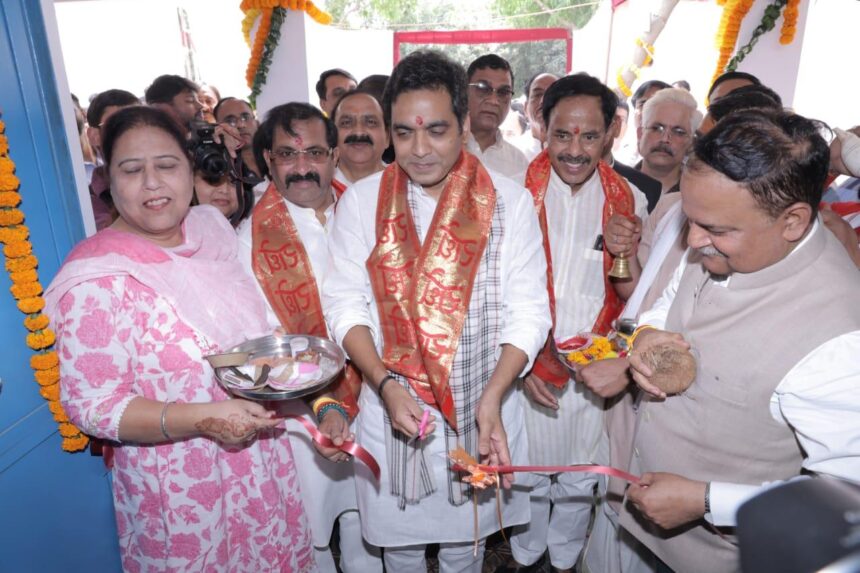
31 March 2026, Noida.
A new Water ATM has been installed in Harola village in Noida to improve access to clean and safe drinking water for local residents. The initiative has been undertaken in view of the increasing population and the growing demand for reliable drinking water facilities in the area. The Water ATM is expected to provide a sustainable and affordable solution for residents who face challenges in accessing potable water on a regular basis.
The newly installed Water ATM has been designed to deliver purified drinking water through an automated dispensing system. Residents can collect water by using smart cards or tokens, making the process simple, efficient, and accessible for people from all sections of society. The facility is equipped with modern filtration technology to ensure that the water supplied meets safety and hygiene standards.
Improving Access to Safe Drinking Water
The installation of the Water ATM in Harola village addresses a key civic need by ensuring the availability of safe drinking water within easy reach of residents. Many households in the area previously depended on private suppliers or untreated water sources, which often led to concerns regarding water quality and affordability.
With the introduction of this facility, residents can now access purified water at nominal rates, reducing their dependence on expensive alternatives. The initiative is particularly beneficial for economically weaker sections, as it provides a cost-effective option for meeting daily water requirements.
Modern Technology for Efficient Distribution
The Water ATM operates on an automated system that allows users to collect water conveniently without long waiting times. The use of smart cards or prepaid tokens ensures transparency in usage and payment, while also minimizing operational inefficiencies.
The filtration system installed in the unit includes multiple stages of purification, ensuring that contaminants, impurities, and harmful substances are effectively removed. This helps in delivering clean and safe drinking water that meets prescribed quality standards.
Addressing Urban Growth and Demand
Harola village, like many parts of Noida, has witnessed rapid population growth and urban expansion. This has increased the pressure on existing water supply systems, making it essential to introduce alternative solutions such as Water ATMs.
The new facility has been planned to cater not only to the current population but also to future demand, ensuring that residents continue to have access to safe drinking water even as the area develops further.
Community Benefits and Health Impact
The availability of purified water through the Water ATM is expected to have a positive impact on public health by reducing the risk of waterborne diseases. Clean drinking water is a critical factor in maintaining overall health and well-being, and this initiative contributes directly to improving living conditions in the village.
In addition to health benefits, the facility also promotes responsible water usage by encouraging residents to use purified water for drinking purposes while conserving other water sources for non-potable needs.
Future Expansion and Sustainability
Officials have indicated that similar Water ATM facilities may be introduced in other parts of Noida to address water supply challenges in densely populated areas. The focus remains on creating sustainable infrastructure that ensures equitable access to essential services.
The Harola Water ATM is part of a broader effort to modernize urban utilities and provide citizen-friendly solutions using technology and efficient resource management.
The installation of the new Water ATM in Harola village marks a significant step towards improving basic civic amenities in Noida. By ensuring access to safe, affordable, and easily available drinking water, the initiative addresses a fundamental need of residents while supporting the city’s broader development goals.
As Noida continues to expand, such initiatives will play a crucial role in enhancing the quality of life and ensuring that essential services keep pace with urban growth.