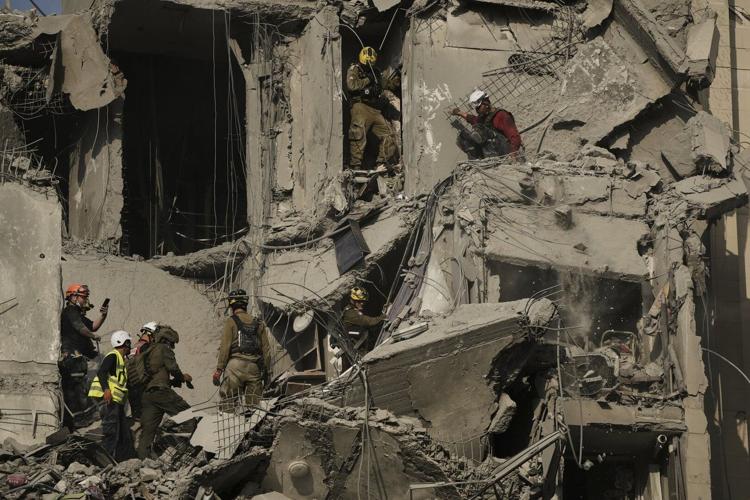
In a night marked by conflicting signals of peace and aggression, four civilians lost their lives in Israel’s Beersheba city after an Iranian missile struck a residential building—despite Tehran’s earlier announcement of a ceasefire. The attack triggered a fresh wave of panic and exposed the fragile state of the newly declared truce between Iran and Israel, which followed a volatile sequence of retaliatory military actions between the two archrivals and the United States.
Iranian strike follows ceasefire declaration
Shortly after Iranian Foreign Minister Hossein Amir-Abdollahian announced on social media platform X that Tehran had ceased its attacks on Israel as of 4 AM local time, reports emerged from Israel of renewed missile salvos targeting several areas, including Beersheba. According to Israeli media, the missile that hit a residential complex in Beersheba killed at least four individuals and injured several others. Emergency services confirmed casualties at the scene, which has now become the focus of intense military and diplomatic attention.
In a statement, Israel Defense Forces (IDF) revealed that multiple missiles were launched from Iranian territory shortly after the ceasefire was supposed to take effect. “A short while ago, the IDF identified missiles launched from Iran toward the territory of the State of Israel. Defensive systems are operating to intercept the threat,” read a security update posted by the IDF on Telegram.
The Israeli government has not yet officially commented on the ceasefire or acknowledged it as binding, although some local media suggest it is informally observing the truce. However, the Beersheba strike raises serious doubts about the viability of the ceasefire, especially given the continued missile launches reported by the IDF—at least six rounds of barrages since the ceasefire’s purported start.
US role and background to the conflict
The ceasefire was brokered in the aftermath of a dramatic escalation that began when American forces targeted Iran’s nuclear infrastructure in Isfahan, Natanz, and Fordow over the weekend. The strikes, intended to disrupt Iran’s nuclear capabilities, prompted swift retaliatory attacks by Tehran, which targeted US military bases in Qatar and Iraq.
Following these events, US President Donald Trump declared a ceasefire agreement had been reached, attempting to calm the rapidly escalating crisis. Yet, the situation on the ground has remained far from peaceful, with the latest casualties in Beersheba highlighting just how precarious the ceasefire is.
Complicating matters further, Iranian officials have stated that all their planned strikes had been carried out “until the last minute” before the 4 AM deadline, a comment interpreted by some analysts as Tehran’s attempt to claim compliance while continuing to signal strength.
Meanwhile, Washington has maintained a watchful stance. US Senator JD Vance issued a strong warning to Tehran, cautioning against any moves towards nuclear weaponization, stating, “If they want to build a nuclear weapon… they’ll have to face the consequences.”
As diplomatic circles attempt to de-escalate the situation, ground realities appear to contradict official announcements. The attack on Beersheba not only casts a shadow over the ceasefire agreement but also leaves open the question of whether this truce is real—or merely a pause in a much larger confrontation still unfolding.