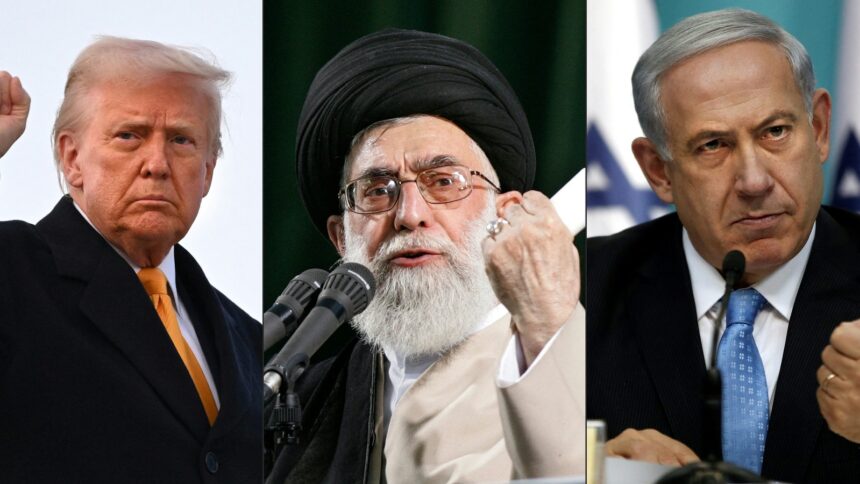
In a dramatic series of conflicting statements and diplomatic backtracking, Iran initially denied any ceasefire agreement with Israel, only to later confirm that it had halted military operations after a missile attack on a U.S. base. The confusion unfolded just as U.S. President Donald Trump announced that a full ceasefire between Iran and Israel had been secured, creating a wave of uncertainty across global diplomatic and security circles. While Iran accused Israel of aggression, Israel maintained official silence on the truce, and Donald Trump celebrated what he described as an end to the 12-day war.
Iran contradicts Trump, then issues revised statement
Shortly after President Donald Trump took to Truth Social to declare that Israel and Iran had agreed to a complete ceasefire, Iranian Foreign Minister Seyed Abbas Araghchi publicly refuted the claim. Posting on X, Araghchi stated unequivocally, “As of now, there is NO agreement on any ceasefire or cessation of military operations.”
He added that Tehran had not received any official proposal from the U.S. government calling for a truce. However, he left room for a shift in policy, saying Iran had no intention to continue its response if Israel halted its military actions by 4 AM local time.
In a swift reversal, just hours after that denial, Araghchi issued a follow-up post announcing that Iran’s military operations had officially ceased at 4 AM. “The military operations of our powerful Armed Forces to punish Israel for its aggression continued until the very last minute, at 4 AM,” he wrote. The foreign minister praised Iran’s armed forces for their readiness and claimed they had acted in defense of the country.
The sudden U-turn from Tehran caught many observers off guard, especially since the initial rejection came so close to Donald Trump’s celebratory announcement of a ceasefire. The sequence of statements suggested internal deliberations in Iran or perhaps strategic posturing intended to display strength before retreating from further escalation.
Israel maintains silence, Donald Trump declares victory
As confusion mounted, Israel offered little clarity. While some reports in Hebrew media indicated that Israeli Prime Minister Benjamin Netanyahu was in favor of a ceasefire—provided Iran halted its missile attacks—there was no formal confirmation from his office. The Israeli military also declined to comment on Donald Trump’s ceasefire declaration.
According to the Associated Press, sources close to the Israeli leadership suggested the government was open to the ceasefire framework outlined by Donald Trump, but only if Iran committed to ending its hostilities entirely.
Meanwhile, President Donald Trump took a victory lap on Truth Social. In an all-caps post, he congratulated both countries and laid out the terms of the ceasefire, declaring that hostilities would cease over a 24-hour period. He claimed that Iran would begin its ceasefire first, followed by Israel, ultimately marking the formal end to what he called “THE 12 DAY WAR.”
The announcement came hours after Iran launched missiles targeting the Al-Udeid Air Base near Doha, Qatar, which houses U.S. forces. Despite the seriousness of the strike, both Donald Trump and Qatari officials confirmed that there were no injuries or casualties reported.
Donald Trump’s announcement was met with skepticism from analysts, especially given Iran’s initial rejection. The sequence of denials, revisions, and conflicting official silence from Israel has made it difficult to assess whether the ceasefire is a durable agreement or a temporary pause in hostilities. The developments reflect not just the volatility of the Iran-Israel conflict, but also the high-stakes diplomatic maneuvering involved in bringing both sides back from the brink.