The Israel-Iran conflict entered its eighth day with a sharp escalation as Iranian forces reportedly launched a missile containing cluster submunitions into a densely populated civilian area in central Israel. The missile strike, which is believed to be the first confirmed use of cluster munitions in the ongoing war, came amid a series of retaliatory missile exchanges and growing international pressure to pursue a diplomatic resolution. Casualties continue to rise on both sides, and diplomatic efforts have gained urgency as fears of wider regional destabilisation mount.
Iran’s cluster missile strikes deepen tensions
According to the Israeli embassy in Washington, Iran launched a missile on Thursday that detonated approximately 7 kilometres above central Israel, dispersing around 20 bomblets over an 8-kilometre radius. Israeli officials claim the strike deliberately targeted civilian areas to maximise impact. The attack marks a new phase in the hostilities, as cluster munitions are known for their wide-area damage and long-term risk to civilians.
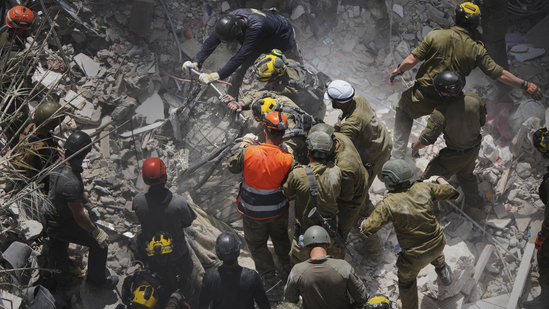
Israeli media confirmed the discovery of a woman’s body in a building hit by an earlier Iranian missile, raising the country’s death toll to 25. Iran has reported at least 224 fatalities from Israeli strikes, including senior military officials, nuclear scientists, and civilians. However, Tehran has not provided updated figures since Sunday.
Diplomatic efforts under pressure as regional tensions rise
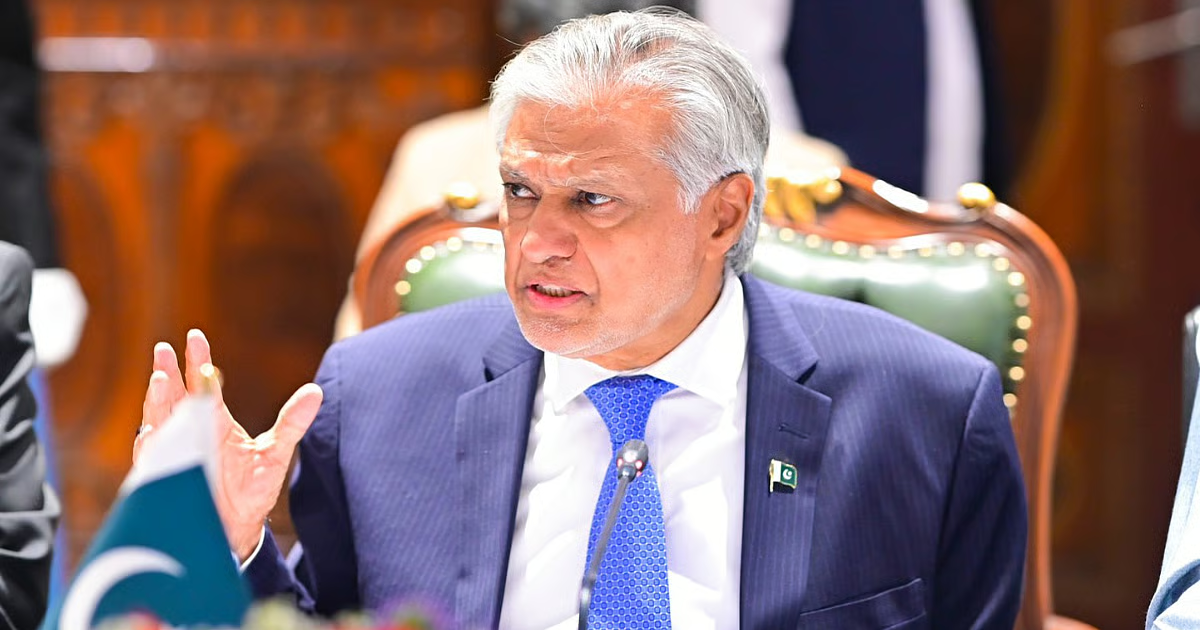
As violence escalates, European foreign ministers are set to meet with Iranian Foreign Minister Abbas Araghchi in Geneva on Friday in an effort to de-escalate the conflict. Britain’s Foreign Secretary David Lammy warned that the next two weeks are critical for achieving a diplomatic breakthrough. Meanwhile, the UN Security Council is preparing for a second emergency session, following Iran’s request backed by Russia, China, and Pakistan.
Back in Washington, President Donald Trump said he would decide within two weeks whether to back further Israeli military action. Although Donald Trump has reportedly approved contingency strike plans, he is waiting to see whether Iran demonstrates a willingness to halt its nuclear ambitions. The Wall Street Journal noted that satellite imagery on Thursday showed US military aircraft being moved from a base in Qatar, suggesting possible preparations.
In Iraq, pro-Iranian militias have threatened retaliation, and Russia has warned that any US involvement would be a “perilous step,” raising the stakes in an already volatile region.
Tehran reshuffles intelligence, Israel strikes back
Following the deaths of top military commanders in Israeli strikes, Iran has appointed Brigadier General Majid Khadami as the new head of the Islamic Revolutionary Guards’ intelligence division. He replaces Mohammed Kazemi, who was killed in an airstrike along with commanders Hassan Mohaghegh and Mohsen Bagheri.
In response to Iran’s attack on Beersheba’s Soroka Hospital, Israeli Prime Minister Benjamin Netanyahu vowed retaliation, saying Tehran would pay a “heavy price.” The hospital, housing 1,000 beds, suffered extensive damage, with 40 people injured. Iran later claimed the hospital was not the intended target and that a nearby military installation was the actual objective.
The Israeli military confirmed overnight strikes on Iranian nuclear infrastructure, including an inactive reactor in Arak and the uranium enrichment facility in Natanz. A spokesperson stated that the mission aimed to ensure such facilities could not be reactivated, reinforcing Israel’s broader strategy to neutralise Iran’s nuclear capabilities amid the ongoing conflict.