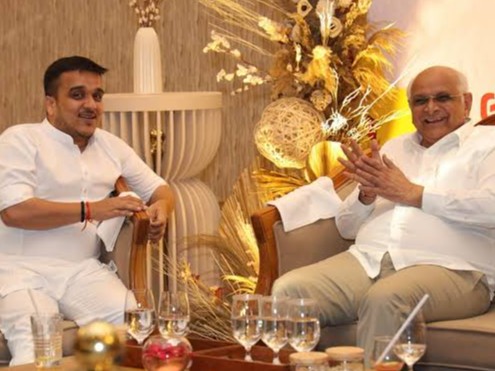
The political leadership of Gujarat is preparing for an important visit to the national capital as Chief Minister Bhupendra Patel and Deputy Chief Minister Harsh Sanghavi are expected to travel to Delhi on March 10 for discussions with the central leadership. The visit comes at a significant time when the state is preparing for upcoming local self-government elections and several major development projects require coordination with the central government. According to reports from Gandhinagar, the visit is expected to focus on accelerating infrastructure and development initiatives linked with the Centre while also reviewing progress on ongoing projects.
The proposed meetings are likely to involve senior leaders of the Bharatiya Janata Party at the national level. During the visit, the Gujarat leadership is expected to present updates on key development programs and seek support from the central government for faster approvals and implementation of several important projects.
The timing of the visit is particularly significant because Gujarat is preparing for local body elections in the near future. Political observers believe that discussions with the party’s central leadership could include strategy planning and organizational preparations aimed at strengthening the party’s position in the upcoming polls.
According to reports, Chief Minister Bhupendra Patel and Deputy Chief Minister Harsh Sanghavi will depart for Delhi on the morning of March 10, likely after 10:00 AM. The trip is expected to include a series of meetings with senior leaders and officials in the central government.
The Gujarat leadership is also expected to provide updates regarding the progress of development initiatives that have been announced or supported by the Centre. The discussions may involve coordination on large-scale projects that require approval, funding, or administrative cooperation from central authorities.
Review of major development projects linked with the central government
One of the central objectives of the visit is expected to be a review of major development projects in Gujarat that involve collaboration with the central government. The state government has been working on several infrastructure, industrial, and urban development initiatives that require coordination between state and central agencies.
During their meetings in Delhi, Bhupendra Patel and Harsh Sanghavi are likely to discuss ways to accelerate the implementation of these projects. Some initiatives reportedly require final clearances, funding approvals, or administrative support from central ministries.
State officials believe that timely approvals and coordinated efforts can help ensure that these projects move forward efficiently. The Gujarat leadership is therefore expected to present detailed updates on the progress made so far and identify areas where additional support from the Centre may be necessary.
Another aspect of the discussions may involve the follow-up of directions and commitments made during the recent visit of Narendra Modi to Gujarat. During his visit, several development initiatives and administrative priorities were highlighted for the state.
The Gujarat leadership is expected to brief central leaders about the progress made in implementing those directives. This review will likely include updates on infrastructure expansion, industrial development programs, and urban modernization initiatives that are considered important for the state’s long-term growth.
Coordination between state and central governments plays an essential role in the success of large-scale projects, particularly those involving transportation networks, industrial corridors, and urban infrastructure. By holding discussions with central authorities, the Gujarat leadership hopes to ensure that ongoing initiatives receive the necessary momentum.
Such visits are often seen as opportunities to strengthen administrative cooperation between state and central governments. They also allow state leaders to present proposals for new projects that could contribute to economic growth and job creation.
Strategic political discussions ahead of local body elections
Apart from development-related discussions, the visit is also expected to include important political consultations. With local self-government elections approaching in Gujarat, the state leadership is likely to discuss election preparedness with senior party leaders in Delhi.
These discussions may focus on strengthening organizational structures, evaluating the party’s performance at the grassroots level, and planning campaign strategies for the upcoming polls. The local body elections are considered significant because they influence governance in municipal corporations, municipalities, and village panchayats across the state.
For the Bharatiya Janata Party, maintaining strong electoral performance in local elections is crucial for sustaining its political base in Gujarat. The party has historically performed strongly in the state, but leadership often reviews strategies carefully before major elections to ensure continued success.
Meetings with national party leaders provide an opportunity to assess the political environment and identify priorities for campaign planning. The discussions may also include feedback from local party workers and regional leaders regarding public issues and development expectations.
Another aspect of the political consultations could involve strengthening communication between state leadership and the central party organization. Coordinated planning helps ensure that campaign messaging and organizational strategies remain consistent across different levels of the party structure.
Political analysts believe that the Delhi visit reflects the importance of aligning development initiatives with political strategy. By addressing both governance and electoral planning during the trip, the Gujarat leadership aims to reinforce administrative efficiency while also preparing for the upcoming electoral challenges.
The visit of Chief Minister Bhupendra Patel and Deputy Chief Minister Harsh Sanghavi is therefore expected to serve multiple purposes. It will provide an opportunity to review development projects, seek central government support, and discuss political strategies with the party’s national leadership as Gujarat moves closer to another important electoral phase.