30 March 2026, New Delhi.
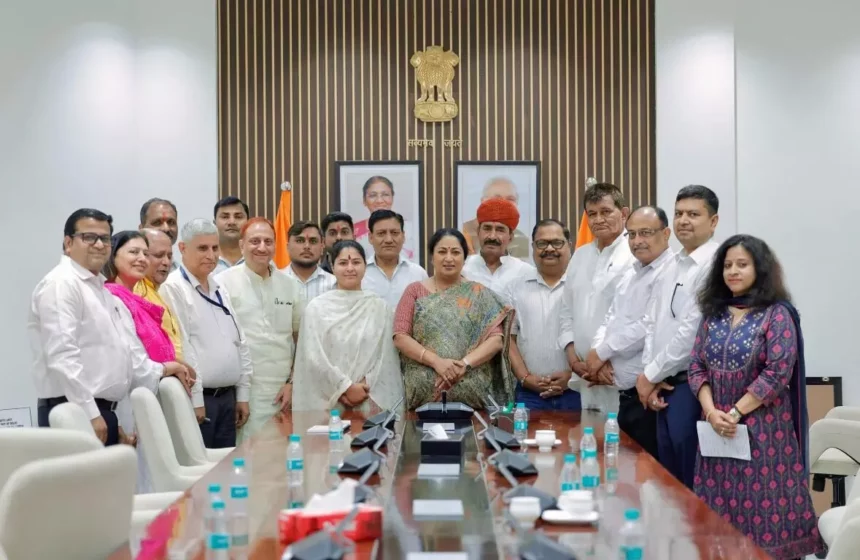
In a major step towards promoting clean, safe, and accessible energy in the national capital, Energy Minister Ashish Sood chaired a high-level meeting to accelerate the expansion of PNG (Piped Natural Gas) infrastructure across Delhi. The meeting was attended by senior officials from Indraprastha Gas Limited (IGL), the Urban Development Department, Municipal Corporation of Delhi, Delhi Jal Board, and other government agencies, reflecting a coordinated effort to strengthen the city’s energy ecosystem.
Following the meeting, Ashish Sood stated that a comprehensive strategy has been prepared to expand PNG connectivity and ensure its reach to a larger section of citizens. He directed officials to make the PNG connection process simpler, more transparent, and citizen-friendly so that maximum households can benefit from this facility. He also emphasised the need to launch intensive door-to-door campaigns to raise awareness and encourage residents to adopt PNG as a safer and more convenient energy option.
Focus on Clean and Reliable Energy
The Minister highlighted that a significant number of households in Delhi still rely on traditional LPG cylinders and conventional cooking methods. He pointed out that PNG offers a reliable and uninterrupted alternative, eliminating the need for cylinder booking and reducing dependency on supply cycles. With continuous gas flow through pipelines, PNG enhances convenience while ensuring safety and efficiency.
Ashish Sood noted that the government’s objective is to transition as many households as possible to PNG, thereby reducing reliance on conventional fuels and contributing to a cleaner urban environment.
Targeting Unserved and Underserved Areas
Special emphasis has been placed on expanding PNG access to areas where the facility is not yet available. The Minister directed that awareness campaigns be intensified in unauthorised colonies and rural pockets, where adoption levels remain low. These campaigns will focus on educating residents about the benefits of PNG, including safety, affordability, and ease of use.
Officials were also instructed to accelerate infrastructure development in such areas, ensuring that pipeline networks are extended in a time-bound manner. Innovative solutions are being explored to address challenges in congested localities and multi-storey buildings, where laying pipelines may be technically complex.
Expanding Coverage and Capacity
During the meeting, it was revealed that Delhi has the capacity to provide approximately 18 lakh PNG connections. However, only around 14 lakh connections have been delivered so far. The government has now set a target to provide the remaining 4 lakh connections at the earliest, with officials directed to work in mission mode to achieve this goal.
Ashish Sood also informed that currently about 10,000 new PNG connections are being provided every month. If required, this number may be increased to 25,000 connections per month to accelerate coverage and meet demand.
Integration with Public Welfare Schemes
A key decision taken during the meeting was to prioritise PNG usage in government welfare schemes and institutional kitchens. The Minister stated that PNG will be introduced in facilities such as Atal Canteens, night shelter kitchens, mid-day meal kitchens, and kitchens operated by the Municipal Corporation of Delhi.
He further encouraged the adoption of PNG in restaurants, hotels, religious institutions such as gurudwaras and temples, and other commercial establishments. In areas where LPG cylinders are still in use, instructions have been issued to expedite pipeline installation and facilitate a smooth transition to PNG.
Infrastructure Development and Technology Adoption
The expansion plan also includes rapid development of PNG pipeline networks across the city. The Minister stressed the importance of using modern technologies to overcome challenges in narrow lanes, densely populated areas, and high-rise buildings. This approach is expected to ensure efficient and safe pipeline installation without causing disruption to daily life.
Environmental and Public Benefits
Ashish Sood expressed confidence that increased adoption of PNG will significantly contribute to reducing pollution levels in Delhi. By replacing traditional fuels with cleaner natural gas, the initiative is expected to improve air quality and support the city’s broader environmental goals.
He also emphasised that PNG provides a safer alternative to LPG cylinders, reducing risks associated with storage and handling. Continuous supply ensures convenience for users while also minimising logistical challenges.
The Delhi Government’s push for PNG expansion reflects a strategic move towards building a cleaner, safer, and more efficient energy infrastructure. With a clear focus on simplifying access, expanding coverage, and integrating PNG into public and commercial sectors, the initiative aims to transform energy consumption patterns in the capital.
As stated by Ashish Sood, the government remains committed to ensuring that every citizen benefits from modern energy solutions, paving the way for a sustainable and pollution-free Delhi.