Social media influencer Shadab Jakati faced legal action in Uttar Pradesh after a viral video featuring a minor and women sparked widespread outrage. The influencer was arrested on Thursday for allegedly making objectionable remarks in the video, but was later granted bail following a court hearing.
The video, which circulated widely across social media platforms, drew immediate public attention and led to demands for strict legal action. Authorities acted promptly, investigating the content and the context in which the remarks were made.
Legal Action and Arrest Details
According to Incholi police station SHO Jitendra Kumar Tripathi, the case was initiated based on a complaint filed by a local resident, Anees, as reported by news agency PTI. Jakati was booked under Section 296 of the Bharatiya Nyaya Sanhita (BNS), which pertains to obscene acts, as well as Section 67 of the Information Technology Act, which addresses publishing or transmitting obscene material online.
The complaint specifically alleged that Jakati made indecent comments while interacting with a minor girl and women in the video. Law enforcement sources confirmed that the video’s content was sufficient to initiate legal proceedings, given the public outcry and potential violation of existing laws regarding decency and protection of minors.
Jakati was taken into police custody and produced before a local court, where his legal team argued for bail. His lawyer, Syed Mohammad Zamir, clarified that the minor in the video was Jakati’s own daughter, and the adult woman was his wife. He asserted that there was nothing in the footage that threatened public order or could be considered an act of obscenity under the law.
Court Proceedings and Public Response
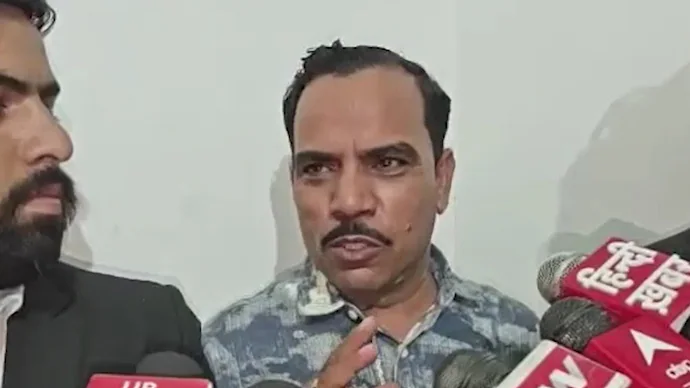
After hearing arguments from both the prosecution and defense, the court granted Jakati bail. Following his release, Jakati addressed the media, stating that he had no intention to cause harm or offend anyone through the video. He apologised to those who may have been hurt or offended by the content and confirmed that he had removed the video from all social media platforms to prevent further controversy.
The incident highlights the challenges faced by social media influencers, where content featuring children or sensitive interactions can quickly lead to legal scrutiny. Experts note that even videos recorded in personal contexts can attract public attention and legal challenges if they are perceived as inappropriate or offensive.
Officials have stressed that the case also serves as a reminder of the responsibility content creators bear when posting online, particularly regarding minors. The rapid spread of content on social media platforms often amplifies public reaction, making timely intervention by authorities crucial to maintaining public order and legal compliance.
The Incholi police station confirmed that they are continuing to monitor social media activity and remain vigilant about similar cases. Authorities emphasised that complaints from citizens are taken seriously, and legal action will be pursued wherever laws are potentially violated.
While Jakati’s legal team argued for personal and familial context in the video, the case underscores the broader societal expectations around decency, online conduct, and protection of minors. Social media influencers are increasingly being held accountable for content, even when recorded in private settings, given its rapid dissemination online.
The case has generated significant discussion on social media regarding ethical responsibility and the boundaries of acceptable content, especially when children are involved. Legal analysts point out that the Information Technology Act and the BNS provide clear provisions for handling such incidents, reinforcing the need for vigilance by both creators and regulators.
Following his release, Jakati has reportedly taken proactive steps to ensure compliance with legal and ethical standards for his online content. He confirmed that all potentially controversial clips have been removed, and future content will be carefully reviewed to avoid misunderstandings or legal repercussions.
Authorities have not ruled out further investigation, and any subsequent complaints or violations could result in renewed legal proceedings. Meanwhile, the case has reignited public debate about online accountability, the role of social media platforms in content moderation, and the legal protections available for minors in digital spaces.
Experts emphasise that creators must remain aware of legal frameworks governing obscenity, child protection, and online content, while the public is encouraged to report potentially harmful material responsibly. The Jakati case highlights the intersection of social media influence, legal responsibility, and societal norms in India’s increasingly digital environment.