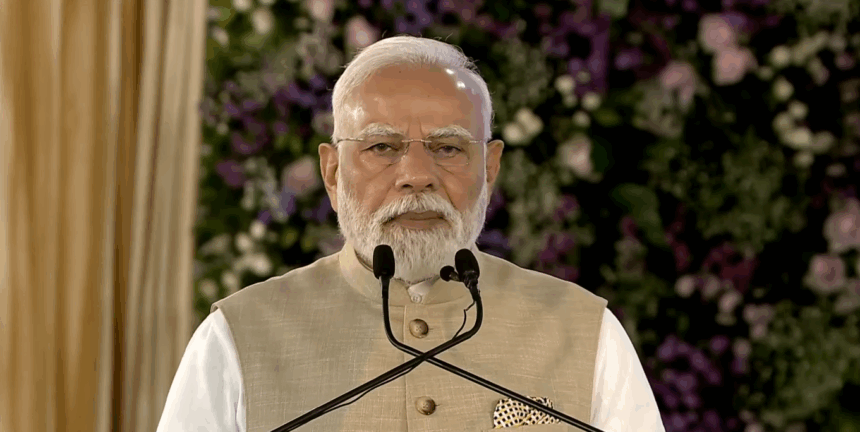
India is set to embark on a transformative journey to preserve and promote its vast repository of ancient manuscripts, as Prime Minister Narendra Modi prepares to launch the Gyan Bharatam Portal on Friday at Vigyan Bhawan, New Delhi. This dedicated digital platform is designed to accelerate manuscript digitisation, ensure long-term preservation, and provide widespread public access, marking a pivotal step in safeguarding India’s intellectual and cultural heritage. The launch coincides with the inaugural session of an international conference on traditional knowledge, scheduled from September 11 to 13, themed “Reclaiming India’s Knowledge Legacy through Manuscript Heritage.” The three-day conference brings together leading scholars, conservationists, technologists, and policy experts to explore strategies for revitalising India’s unparalleled manuscript wealth and positioning it prominently within global knowledge dialogues. The initiative reflects India’s commitment to leveraging modern technology to conserve, digitise, and make accessible the timeless wisdom embedded in its ancient texts, while fostering scholarly collaboration and global awareness.
Conference on Manuscript Heritage and Gyan Bharatam Portal Launch
The Gyan Bharatam Portal is being launched as part of a larger initiative to reinvigorate India’s manuscript heritage, combining digital innovation with cultural preservation. The portal serves as a centralised platform where manuscripts from across India can be catalogued, digitised, and made available to scholars, researchers, and the general public. By streamlining the process of manuscript preservation, the platform aims to prevent the loss of invaluable cultural assets and ensure that India’s literary and philosophical treasures are safeguarded for future generations. The launch at Vigyan Bhawan also initiates a broader discourse on traditional knowledge systems, encouraging collaboration between domestic and international scholars and policy makers.
The international conference accompanying the portal’s launch is structured to facilitate in-depth discussions on multiple facets of manuscript preservation and dissemination. Participants include leading experts in conservation techniques, metadata standards, digitisation technologies, legal frameworks governing heritage preservation, cultural diplomacy, and the decipherment of ancient scripts. The conference will feature a series of presentations highlighting best practices, innovative approaches, and case studies that demonstrate the successful integration of technology with manuscript conservation. An exhibition of rare manuscripts is also being held, allowing attendees to experience firsthand the richness and diversity of India’s manuscript legacy. This initiative positions India as a global leader in cultural preservation, demonstrating how historical knowledge can be made accessible through modern technological tools without compromising its authenticity or integrity.
Prime Minister Modi’s decision to launch the Gyan Bharatam Portal aligns with the government’s broader commitment to promoting India’s traditional knowledge systems and cultural heritage. By providing a centralised, digital platform, the portal will facilitate academic research, encourage wider public engagement, and integrate India’s manuscript resources into global scholarly discourse. This approach also ensures that India’s knowledge legacy is preserved not only in physical archives but also in digital form, enabling unprecedented access for students, researchers, and enthusiasts worldwide. The initiative underscores the importance of using technology to bridge the gap between historical scholarship and contemporary needs, fostering a greater appreciation for India’s intellectual traditions across disciplines.
Reviving Sanskrit and Promoting India’s Intellectual Heritage
The Gyan Bharatam Portal is part of a continuum of efforts aimed at revitalising India’s traditional knowledge systems, with particular emphasis on the Sanskrit language. Earlier, on World Sanskrit Day on August 9, Prime Minister Modi highlighted the enduring relevance and global impact of Sanskrit, describing it as a timeless source of knowledge and expression. Through posts on social media, the Prime Minister acknowledged the contributions of individuals worldwide who are engaged in learning and popularising Sanskrit, celebrating their role in preserving India’s intellectual heritage. He also reiterated the government’s initiatives over the past decade to promote Sanskrit, including the establishment of Central Sanskrit Universities, Sanskrit Learning Centres, grants to scholars, and the Gyan Bharatam Mission itself, which collectively aim to digitise manuscripts and make them accessible to a broader audience.
The international conference further reflects this vision by creating a platform where traditional knowledge, particularly in Sanskrit, can be examined, discussed, and promoted in a global context. The sessions are designed to address both scholarly and practical concerns, ranging from technical aspects of digitisation to strategies for integrating India’s traditional knowledge into contemporary education and research. Experts will deliberate on ways to make ancient manuscripts more accessible to students, researchers, and educators, ensuring that these texts continue to inform and inspire modern scholarship. By integrating technological solutions with cultural preservation, the conference underscores India’s proactive approach to sustaining its intellectual heritage in the digital age.
Uttar Pradesh Chief Minister Yogi Adityanath echoed similar sentiments, describing Sanskrit as the divine language that embodies India’s soul, the resonance of sages’ wisdom, and an eternal source of knowledge. He emphasised that Sanskrit forms the foundation of India’s cultural tradition, intellectual heritage, and global scholarly presence. His remarks highlighted the ongoing governmental commitment to promoting the use of Sanskrit in daily life, educational institutions, and research environments. By tying the Gyan Bharatam Portal and manuscript digitisation efforts to broader cultural and linguistic revival, India is demonstrating a comprehensive approach that integrates technology, scholarship, and national heritage preservation.
The launch of the Gyan Bharatam Portal is expected to catalyse further initiatives in education, research, and public engagement. Scholars attending the conference will have the opportunity to explore the latest digitisation technologies, discuss metadata standards for archiving manuscripts, and evaluate legal and policy frameworks that govern cultural heritage preservation. This environment fosters knowledge sharing, collaboration, and innovation, encouraging participants to devise solutions that make India’s manuscript legacy accessible not only to domestic researchers but also to the international scholarly community. The event positions India as a pioneer in merging traditional knowledge systems with modern technological approaches, setting a benchmark for other nations seeking to preserve their cultural heritage in the digital era.
Beyond technical discussions, the conference also aims to highlight the broader significance of manuscripts in shaping India’s identity, values, and global intellectual contributions. Manuscripts represent centuries of accumulated wisdom in fields ranging from philosophy and science to literature, medicine, and governance. By digitising and curating these resources, India ensures that the knowledge contained within these texts is not only preserved but also disseminated widely, enabling cross-disciplinary engagement and international collaboration. The portal thereby serves as a bridge between India’s historical scholarship and contemporary research, providing a repository that can support new discoveries, insights, and academic discourse across multiple domains.
Prime Minister Modi’s focus on digital preservation reflects a larger strategy of integrating heritage conservation with contemporary technology to foster both national pride and global recognition. The Gyan Bharatam Portal exemplifies this strategy by making manuscripts digitally accessible, promoting public engagement, and facilitating scholarly research. This initiative encourages educational institutions to incorporate traditional knowledge into curricula, provides researchers with access to primary sources, and allows citizens to explore India’s cultural history in meaningful ways. The integration of technology with cultural preservation ensures that India’s manuscript heritage can withstand the challenges of time, environmental factors, and physical degradation while remaining relevant and accessible to a global audience.
Furthermore, the Gyan Bharatam Portal launch coincides with growing global interest in India’s traditional knowledge systems. The conference provides an ideal forum for showcasing India’s rich intellectual traditions, demonstrating how historical knowledge can contribute to contemporary discussions on philosophy, science, linguistics, and culture. Participants will gain insights into preservation methodologies, best practices for digitisation, and strategies for integrating manuscript knowledge into modern scholarship. By positioning India at the forefront of global knowledge preservation efforts, the initiative reinforces the nation’s role as a custodian of ancient wisdom while promoting cross-cultural understanding and intellectual exchange.
Through the Gyan Bharatam Portal, India is also promoting collaborative research and dialogue between scholars, technologists, and policymakers. The platform allows experts to share methodologies, standardise processes, and create a coherent approach to manuscript preservation. By providing centralised access to digitised manuscripts, the portal enhances transparency, facilitates academic collaboration, and promotes a collective understanding of India’s literary and philosophical heritage. This approach ensures that India’s intellectual legacy is not only preserved but actively engaged with, providing opportunities for new research, reinterpretation, and knowledge dissemination on a global scale.
The launch of the portal and the accompanying conference also underscore India’s commitment to cultural diplomacy. By showcasing its manuscript heritage to an international audience, India signals its dedication to preserving and sharing traditional knowledge with the world. The event encourages scholars and experts from other countries to engage with India’s intellectual resources, fostering mutual understanding, cross-cultural learning, and collaboration. The strategic integration of heritage preservation, digitisation, and international engagement positions India as a leader in the global effort to sustain cultural and intellectual legacies, offering a model for other nations seeking to protect their historical knowledge in the digital era.