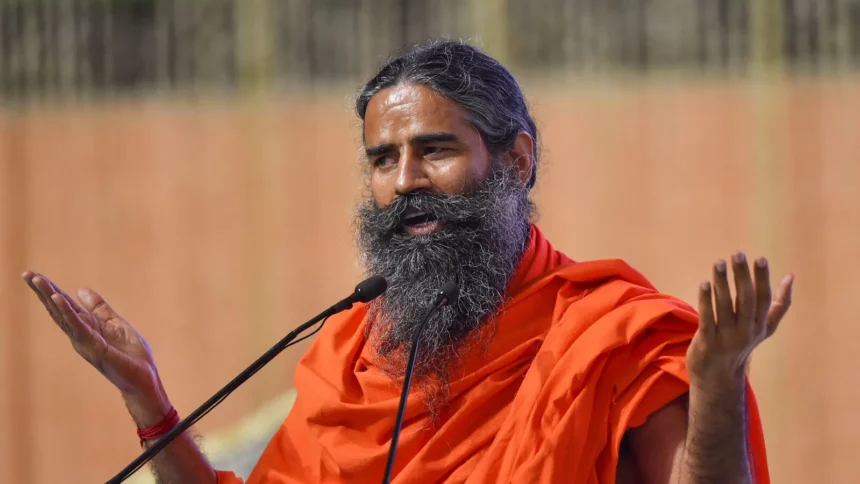
The escalation of U.S. trade tariffs on Indian goods to an unprecedented 50 percent has ignited strong reactions across India, with yoga guru and business leader Ramdev emerging as one of the most vocal critics. Ramdev condemned the additional tariffs imposed by the Donald Trump administration, which he described as politically motivated, coercive, and detrimental to India’s economic interests. His comments, urging a complete boycott of American companies and brands, reflect the growing national sentiment against the U.S. move and highlight the potential for economic nationalism as a response to international trade pressures. The doubling of tariffs, primarily in response to India’s purchase of Russian crude oil, has raised tensions between two democratic nations that had traditionally maintained strategic and trade partnerships, underscoring the complex intersection of geopolitics, economics, and public opinion.
Ramdev’s Reaction: Boycott of American Brands and Public Mobilization
Ramdev’s statement came shortly after the U.S. administration formally implemented the additional 25 percent tariff on Indian imports, bringing the total to 50 percent. He described the move as “political bullying, hooliganism, and dictatorship,” highlighting what he perceives as an unfair and punitive approach targeting India. Speaking to the media, Ramdev emphasized the importance of collective economic resistance, calling upon Indian citizens to reject American goods and services entirely. He specifically mentioned major U.S. food and beverage companies, urging people to abstain from consuming products from Pepsi, Coca-Cola, Subway, KFC, and McDonald’s outlets, framing this as a symbolic and practical step in demonstrating national resilience.
According to Ramdev, the boycott of American brands could create significant economic disruption in the United States, potentially raising inflation and forcing Washington to reconsider its tariff policies. He argued that Indian consumer behavior could be a potent tool against what he sees as unjust trade practices, framing the boycott not only as a response to tariffs but as an assertion of India’s sovereignty and economic independence. By urging Indians to take collective action, Ramdev highlighted a growing trend of economic nationalism in the face of international pressures, a phenomenon that has previously influenced consumer behavior in various countries during trade disputes.
Ramdev’s call to action reflects broader public frustration over the trade measures, particularly among exporters and domestic industries directly impacted by the tariffs. The punitive nature of the U.S. decision, which affects goods ranging from garments, gems, and jewellery to footwear, sporting goods, furniture, and chemicals, has raised fears of reduced competitiveness and revenue losses for thousands of small and medium-sized businesses in India. Analysts note that this backlash could have far-reaching implications, not only on trade volumes but also on long-term perceptions of U.S.-India economic relations, as political rhetoric increasingly shapes market and consumer behavior.
Economic Implications: Tariffs, Export Challenges, and Market Reactions
The additional 25 percent tariff, combined with the pre-existing 25 percent duties, constitutes one of the highest tariff rates ever imposed on India by the United States. This punitive measure disproportionately affects export-oriented sectors, particularly those concentrated in Gujarat, Maharashtra, Tamil Nadu, and other industrial hubs, potentially threatening thousands of jobs in key industries such as textiles, apparel, gems and jewellery, and chemicals. Analysts have pointed out that these sectors form a substantial part of India’s export revenues and employment, making them particularly vulnerable to sudden tariff escalations.
While India’s domestic financial markets were closed on Wednesday due to a Hindu festival, market reactions have already been visible in recent sessions. On Tuesday, equity benchmarks such as the Sensex and Nifty experienced their worst trading day in three months following the U.S. notification of additional tariffs, signaling immediate investor concern over trade policy uncertainty. Furthermore, the Indian rupee continued to decline, marking its fifth consecutive session of depreciation and ending at its lowest level in three weeks. These movements reflect investor anxiety over the potential impact of tariffs on corporate earnings, export competitiveness, and overall economic growth.
Economists and market analysts suggest that the tariffs are not merely a short-term trade measure but also a strategic signal, aimed at exerting pressure on India’s economic and geopolitical positioning, particularly in the context of its ongoing purchase of Russian oil. India, which relies on imported energy to fuel its rapidly growing economy, faces a complex balancing act between securing affordable energy supplies and navigating international trade pressures. The U.S. tariffs, while targeting economic behavior, also intersect with geopolitical considerations, adding layers of uncertainty for policymakers, exporters, and investors.
The long-term economic implications of the tariffs could extend beyond immediate market reactions. Export-oriented sectors may be forced to recalibrate supply chains, adjust pricing strategies, or seek alternative international markets to mitigate the impact of higher duties. This could disrupt established trade flows, reduce profit margins, and strain relationships with key international buyers. Analysts caution that continued tariff pressure may also influence foreign direct investment decisions, as multinational corporations weigh the risks of operating in or sourcing from an economy facing punitive trade measures.
Ramdev’s call for a boycott complements these economic considerations by appealing to consumer action as a countermeasure to U.S. policy. By encouraging citizens to avoid American brands, he effectively links grassroots consumer behavior to broader economic strategy, suggesting that collective resistance can influence international economic decision-making. Such public mobilization, while symbolic, can have measurable impacts on sales and brand perception, particularly for companies heavily reliant on the Indian consumer market.
The situation underscores a growing intersection between geopolitics, trade policy, and national identity. India’s decision to maintain energy imports from Russia, while strategically important for its domestic economy, has become a flashpoint in its relationship with the United States. The U.S. response, framed as punitive tariffs, has not only direct economic consequences but also broader diplomatic and reputational implications. Analysts note that navigating this complex landscape requires balancing immediate economic interests with long-term strategic partnerships, as well as managing domestic sentiment, which increasingly favors assertive responses to perceived economic coercion.
Moreover, the lack of immediate negotiations between Washington and New Delhi following the tariff implementation has added to the uncertainty. Previous rounds of discussions, aimed at reducing U.S. tariffs to around 15 percent, failed to yield a concrete trade agreement, leaving both nations without a clear path to reconciliation. The absence of renewed talks, combined with the immediate economic impact of higher duties, has fueled calls from industry leaders, policymakers, and public figures like Ramdev for proactive measures to protect domestic interests and respond to perceived economic aggression.
In addition to trade and market considerations, the U.S. tariffs have amplified conversations around economic sovereignty and consumer responsibility. Ramdev’s advocacy for a nationwide boycott resonates with broader debates on the role of citizen participation in shaping economic policy and countering external pressures. By positioning consumer behavior as a strategic tool, Ramdev frames economic resistance as a form of national assertion, reinforcing the idea that public engagement can complement diplomatic and policy responses in complex international disputes.
As India confronts these unprecedented trade challenges, the interplay between tariffs, export competitiveness, and public sentiment is likely to shape both economic performance and geopolitical strategy in the coming months. Analysts highlight the importance of monitoring sector-specific impacts, investor behavior, and consumer trends as the situation evolves. Furthermore, Ramdev’s high-profile stance may influence public discourse, encouraging similar advocacy or consumer-led initiatives that could have ripple effects across markets and industries.
Overall, the imposition of 50 percent U.S. tariffs on Indian goods has triggered multifaceted responses, ranging from market volatility to public protests and calls for national consumer action. Ramdev’s emphatic call for a boycott of American companies and brands highlights the intersection of economic policy, geopolitics, and civic engagement, reflecting broader societal concerns over sovereignty, trade fairness, and India’s position in global commerce. As policymakers, industry leaders, and citizens respond, the unfolding situation serves as a case study in the complexities of modern international trade, where tariffs, diplomacy, and domestic sentiment intersect to shape outcomes on multiple levels.