11 March 2026, Lucknow.
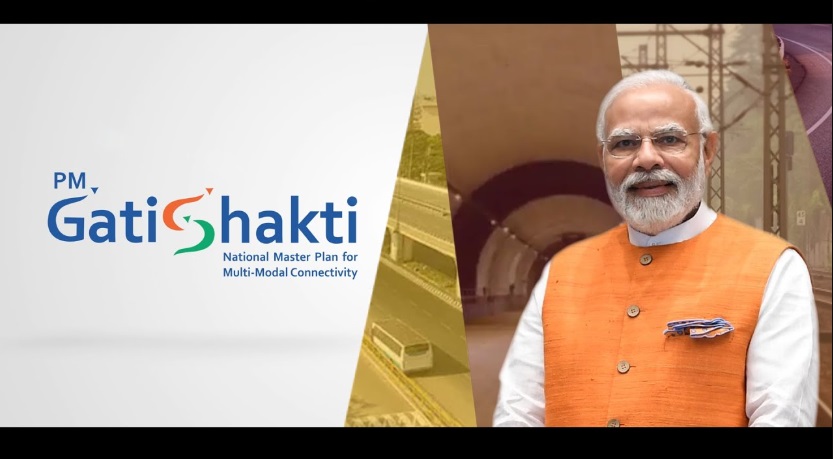
The PM Gati Shakti scheme is a comprehensive digital master plan designed to strengthen multimodal connectivity across the country. Launched by Prime Minister Narendra Modi, the initiative aims to enhance infrastructure development by bringing various ministries and departments onto a unified digital platform. The plan is based on principles of comprehensiveness, prioritization, optimization, coordination, analytical planning and dynamic monitoring. Under this system, sectors such as railways, roads, ports, aviation and other infrastructure departments are integrated into a single digital framework so that development projects can be executed in a coordinated and efficient manner. The primary objective of the PM Gati Shakti initiative is to reduce logistics costs, improve supply chain efficiency and make local products more competitive in global markets. By improving project planning, monitoring and implementation through data driven tools, the scheme is helping accelerate infrastructure development across the country.
Implementation of the Scheme Gains Momentum in Uttar Pradesh
Under the leadership of Chief Minister Yogi Adityanath, Uttar Pradesh has actively adopted the PM Gati Shakti National Master Plan as a transformative mechanism for infrastructure planning and implementation. The state government has strengthened coordination among departments and integrated multiple datasets to improve planning efficiency. In the first phase of implementation, Uttar Pradesh successfully integrated and validated 24 out of the 29 mandatory data layers required under the framework. The remaining five layers have also been incorporated into the system, indicating nearly complete compliance with the national framework. This integration of departmental data into a unified digital system has significantly improved the accuracy and efficiency of planning and decision making processes in the state.
Digital Data Integration Enhances Planning and Monitoring
In the second phase of implementation, Uttar Pradesh integrated nearly 56 additional data layers into the Gati Shakti portal. The process of updating and verifying these layers is currently underway to further strengthen project planning and execution. This extensive data integration has positioned Uttar Pradesh as one of the leading states in implementing the PM Gati Shakti framework. To ensure effective implementation and monitoring, a district level coordination framework has also been established across the state. This system has improved coordination between departments and enabled timely completion of development projects.
More than two thousand government officials in the state have been trained in the use of PM Gati Shakti digital tools to support project planning, monitoring and evaluation. In addition, more than twenty six digital applications have been developed to assist in infrastructure planning and project tracking. Using these tools, several major infrastructure projects including expressways and metro expansion projects have been successfully planned and implemented based on insights generated from the PM Gati Shakti platform.
Data Driven Decision Making in Development Projects
The PM Gati Shakti framework is not limited to transportation infrastructure but is also being used in several other development initiatives. The digital system has helped identify areas where new secondary and higher secondary schools are required. Similarly, locations for establishing new procurement centers for agricultural produce are being determined using the platform. The framework is also being used to support expansion of health facilities under the Ayushman Arogya Mandir initiative.
Experts believe that the PM Gati Shakti initiative has strengthened inter departmental coordination and enhanced transparency in project planning and implementation. As a result, development projects are progressing more efficiently and infrastructure development in Uttar Pradesh is gaining new momentum. The effective implementation of this framework is expected to significantly boost industrial growth, transportation networks and social infrastructure across the state in the coming years.