After weeks of severe shortages caused by an 11-week blockade, limited flour and aid supplies have finally begun reaching Gaza’s most vulnerable populations. However, the relief is minimal compared to the vast needs, with many trucks still stuck at the border and fears growing over potential unrest as desperate residents await food and medical supplies. The humanitarian situation remains dire, with ongoing military operations compounding the crisis and leaving thousands at risk of starvation.
Aid Trucks Enter Gaza but Volume Remains Insufficient
On Wednesday, Israel allowed 100 trucks carrying baby food, medical equipment, and flour to enter Gaza for the first time since the blockade began in March. Bakeries in southern Gaza have restarted operations after being shut for two months, signaling a small step towards easing food shortages. Ahmed Al-Banna, a baker in Deir al-Balah, expressed hope that northern Gaza bakeries would soon resume as well. Yet, Palestinian officials say that this volume is only a fraction of the aid needed. Amjad al-Shawa, director of the Palestinian NGOs Network, highlighted that during ceasefires, around 600 trucks entered Gaza daily—making the current delivery “a drop in the ocean.”
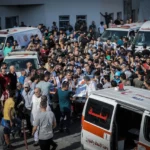
Meanwhile, many trucks remain stuck at the Karem Shalom border crossing. The Palestinian Red Crescent warned of growing tensions and the risk of violence and looting when supplies eventually arrive. In Khan Younis, crowds gathered as a single truck arrived, but armed men closely monitored the distribution to prevent chaos. The International Committee of the Red Cross reported receiving one truck of medical supplies but stressed that a steady, unhindered flow of aid is urgently needed to meet the overwhelming demand.
Escalating Conflict and Humanitarian Impact
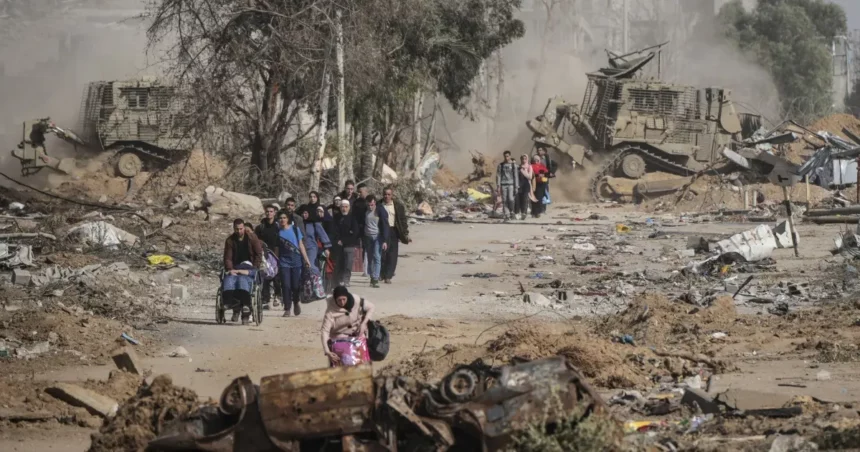
The humanitarian crisis is unfolding amid intensified Israeli military operations aimed at weakening Hamas’ control and recovering hostages taken in October 2023. On Thursday, at least 50 Palestinians were killed in strikes across Gaza, according to local health authorities. Damage to healthcare infrastructure continues, with hospitals like Al-Awda in Beit Lahiya suffering direct attacks and limited access due to tank deployments outside medical facilities. The Gaza health system is near collapse, struggling with a shortage of medical supplies and functioning facilities.
Israeli Prime Minister Benjamin Netanyahu has indicated willingness for a temporary ceasefire if hostages are returned but remains firm on continuing military pressure otherwise. Hamas leaders reject any ceasefire that does not halt the violence permanently. Since the conflict’s escalation following the October 7 Hamas attack, more than 53,600 Palestinians have died, and Gaza’s population faces one of the world’s worst humanitarian crises.