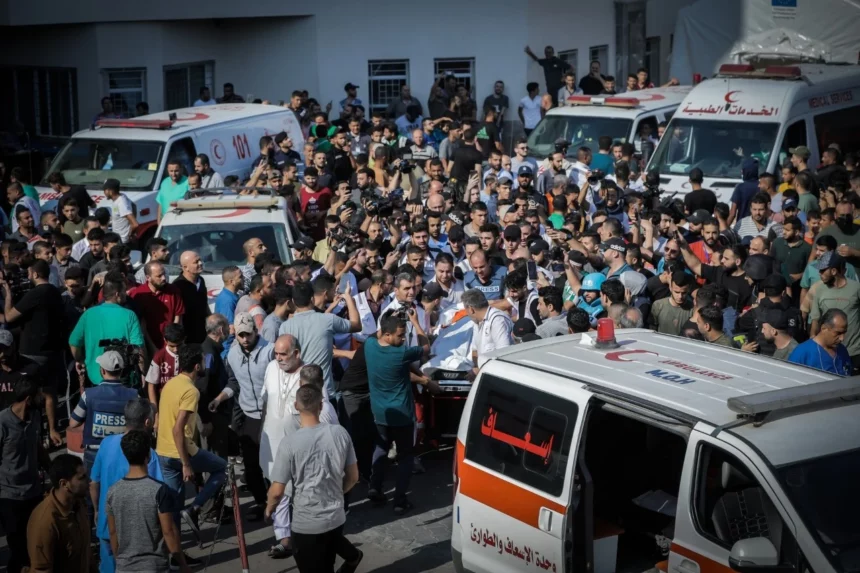
The healthcare system in Gaza is facing an unprecedented crisis as ongoing Israeli military operations intensify, leaving hospitals overwhelmed and many unable to function. With mass displacement worsening and critical shortages of medical supplies and essential services, the World Health Organization (WHO) has warned that Gaza’s health infrastructure is nearing collapse. Only a fraction of hospitals remain operational, and those still functioning struggle to meet the urgent needs of a population caught in the midst of escalating violence and humanitarian disaster.
Hospitals Forced to Halt Services Amid Escalating Violence
Over the past week, four major hospitals in Gaza have had to suspend medical services due to their proximity to active conflict zones and security incidents. Attempts by WHO teams to reach key facilities like Al-Awda Hospital and the Indonesian Hospital were blocked, further hampering efforts to provide critical aid. Out of Gaza’s 36 hospitals, only 19 are still operational, according to WHO data. Even these face immense challenges, with 94% of hospitals reported to be damaged or destroyed in some capacity. Only 12 hospitals remain in a condition to offer a range of medical services, highlighting the devastating impact the conflict has had on healthcare infrastructure.
A Health System Struggling to Cope With Increasing Demand
The ongoing military operations have caused widespread displacement, forcing many residents to seek medical attention in overcrowded and understaffed facilities. The shortages of medical supplies and basic necessities, combined with damaged infrastructure, are severely limiting healthcare delivery across the region. The WHO’s warnings come amid growing international concern about the humanitarian toll of the conflict, as thousands of patients face increased risk due to inadequate medical care and worsening conditions.
The situation in Gaza’s healthcare sector reflects the broader crisis faced by the population, caught between ongoing violence and a shrinking capacity for survival. The WHO continues to call for unhindered access to medical supplies and safe passage for health workers to prevent further deterioration of this critical public health emergency.