The tragic air crash that claimed the life of Maharashtra’s deputy chief minister Ajit Pawar on January 28 has left the state and the nation grappling with questions about how and why the incident occurred. The crash, which also killed four others including the pilot, co-pilot, flight attendant, and Pawar’s personal security officer, happened when a chartered Learjet attempted to land at the table-top airstrip in Baramati, Pune district. As political speculation intensifies and doubts persist over the circumstances surrounding the crash, NCP (SP) leader Rohit Pawar announced that he would present a detailed briefing on February 10 in Mumbai to address unresolved questions. This announcement comes in the wake of both political and administrative developments, with the state still absorbing the shock of losing a senior leader and navigating the implications of his untimely death.
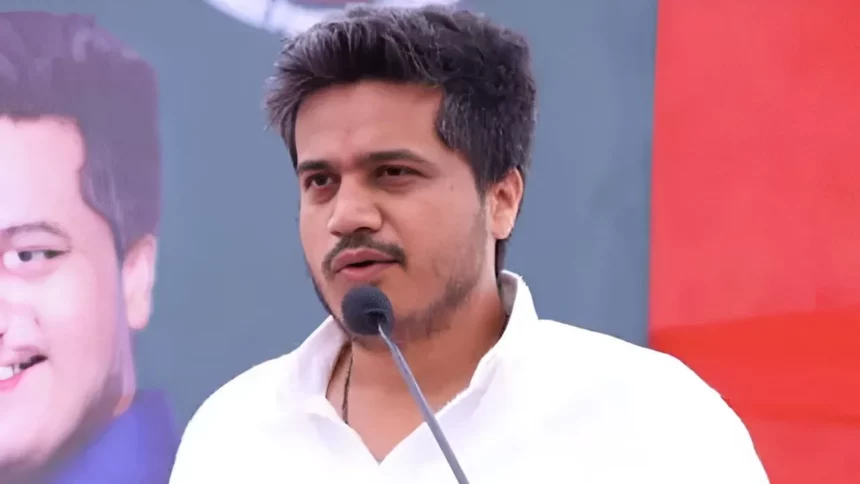
Rohit Pawar, speaking to reporters after casting his vote in the Zilla Parishad elections in Baramati, emphasized the need for clarity and transparency regarding the crash. He acknowledged that many questions remain about the sequence of events that led to the fatal incident. According to him, the forthcoming presentation will address these concerns comprehensively, exploring the factors that contributed to the accident, and offering insights into what might have occurred during the aircraft’s attempted landing amid reportedly poor visibility. This move has been welcomed by those seeking a thorough examination of the circumstances, as speculation has included both technical failures and potential political motivations.
The Zilla Parishad and Panchayat Samiti elections were held across Maharashtra on the day of Rohit Pawar’s statement, covering 12 Zilla Parishads and 125 Panchayat Samitis. These elections had initially been postponed following the deputy chief minister’s death, reflecting the impact of the tragedy on the state’s administrative and political calendar. Rohit Pawar also highlighted the personal and political vision of Ajit Pawar, noting that the late leader had sought unity between rival factions of the Nationalist Congress Party. Rohit Pawar affirmed that efforts toward consolidating the party’s factions and continuing his uncle Sharad Pawar’s legacy of cooperation and political unity would persist. According to him, Ajit Pawar had sincerely wished for the party to function as a united family, and the recent elections demonstrated that these efforts had taken root despite the leader’s passing.
Rohit Pawar noted that everyone involved in Maharashtra politics has lingering doubts regarding the circumstances of the crash. He emphasized that questions regarding why the crash happened, the conditions at the airstrip, and procedural or technical lapses would be thoroughly examined during the briefing. The detailed presentation scheduled for February 10 in Mumbai is expected to include data collected from initial investigations, witness accounts, and technical assessments, aimed at providing a clear understanding of the tragic events that unfolded on January 28. While initial media reports offered only fragmented information, Rohit Pawar’s briefing promises to consolidate verified findings and address public and political concerns comprehensively.
The political implications of Ajit Pawar’s death have been significant. West Bengal Chief Minister Mamata Banerjee publicly raised concerns that the crash could have been part of a political conspiracy and demanded a Supreme Court-monitored investigation. She argued that only the judiciary could be trusted to conduct an impartial inquiry, stating that all other agencies had been compromised or lacked independence. Banerjee also suggested that the crash had occurred at a politically sensitive moment, as Ajit Pawar was reportedly considering returning to the NCP (SP) faction led by Sharad Pawar from the BJP. This assertion added a layer of political intrigue to an already complex tragedy, highlighting the intersection of state politics, party allegiances, and personal decisions of senior leaders.
Rohit Pawar also indicated that he would explain the motivations and rationale behind the proposed merger of party factions in a subsequent presentation scheduled for February 12. This briefing aims to clarify whether Ajit Pawar’s intentions were primarily political, intended to strengthen party unity and strategic positioning, or if they were driven by personal or emotional considerations. The clarification is expected to provide both party members and the public with a better understanding of the late deputy chief minister’s vision, and the steps being taken to continue his political legacy. Rohit Pawar’s statements underscore the continuing importance of transparency and communication in navigating the aftermath of a high-profile political figure’s sudden death.
Meanwhile, the technical investigation into the crash has proceeded under the supervision of the Aircraft Accident Investigation Bureau (AAIB) and the Directorate General of Civil Aviation (DGCA). Union Minister of State for Civil Aviation Murlidhar Mohol confirmed that the aircraft’s black box had been recovered and was being analyzed by technical experts. He emphasized that the investigation teams were making rapid progress and that the preliminary findings would be released only after careful analysis of the recorded data. According to Mohol, officials from the AAIB and the DGCA’s Mumbai Regional Office were present at the crash site immediately following the incident, and the Director General of the AAIB personally oversaw the initial investigation. The inquiry is being conducted under Rules 5 and 11 of the AAIB Rules, 2025, which mandate detailed procedural review and technical assessment to determine the sequence of events during an aircraft’s attempted landing.
The investigation seeks to establish whether the crash resulted from technical malfunction, human error, adverse weather conditions, or a combination of factors. Authorities have repeatedly cautioned against premature conclusions, emphasizing that definitive findings will be based solely on technical analysis of the black box data and corroborated evidence. The complex nature of aviation accidents, combined with the high-profile status of the passengers involved, necessitates meticulous evaluation of flight parameters, aircraft systems, environmental conditions, and pilot actions. This ensures that the resulting report provides a factual and objective understanding, while minimizing speculation and rumor.
Ajit Pawar’s personal security officer, pilot, co-pilot, and flight attendant were among the victims, highlighting the scale of the tragedy and the human cost involved. The incident also had immediate political consequences, with elections being rescheduled, party activities temporarily paused, and a heightened sense of uncertainty within the Nationalist Congress Party and the broader political landscape of Maharashtra. Rohit Pawar stressed that addressing these questions through detailed presentations and transparent communication would not only honor the late deputy chief minister but also ensure that public confidence in political processes and governance is maintained.
The forthcoming briefing on February 10 is expected to cover multiple dimensions of the crash. These include a timeline of events leading to the attempted landing, environmental conditions at the Baramati airstrip, aircraft maintenance and operational records, and any other contributing factors that may have influenced the tragic outcome. By presenting verified information, Rohit Pawar aims to provide clarity on the questions that have persisted since January 28, including the rationale behind Ajit Pawar’s travel plans, the preparedness of the airstrip, and whether adequate safety protocols were observed.
Rohit Pawar also addressed the ongoing efforts to maintain unity within the NCP. He reiterated that Ajit Pawar had envisioned the consolidation of party factions as essential to strengthening political cohesion and ensuring effective governance. The Zilla Parishad elections, held in the aftermath of Ajit Pawar’s death, were cited as an example of the party’s continuing efforts to honor his vision of cooperation and collective progress. Rohit Pawar emphasized that the late leader’s personal and political legacy remains a guiding principle for party members, and that the proposed merger would reflect Ajit Pawar’s aspirations for unity and effective administration.
The Supreme Court-monitored concerns raised by Mamata Banerjee have added another layer of scrutiny to the situation. Her call for judicial oversight reflects broader demands for impartiality in investigating high-profile political deaths. Rohit Pawar’s presentations, while addressing technical aspects of the crash, also have political significance, particularly in clarifying the context of party decisions, internal dynamics, and intentions behind strategic moves within the Nationalist Congress Party. The interaction between legal investigations and political narratives is likely to influence public perception, highlighting the need for transparent and comprehensive communication from all stakeholders.
The role of technical investigators from AAIB and DGCA remains central to establishing the factual sequence of events. Recovery and analysis of the black box, verification of pilot and aircraft records, and assessment of environmental and operational conditions are critical to determining causality. Authorities are committed to ensuring that findings are based on empirical evidence, thereby avoiding speculation and maintaining the credibility of both aviation safety procedures and public confidence in official reports.
The investigation, coupled with Rohit Pawar’s upcoming presentations, illustrates the intersection of technical scrutiny, political accountability, and public communication in addressing a high-profile incident. While the technical inquiry seeks to identify objective causes, the political briefings aim to contextualize the human, administrative, and strategic dimensions of the tragedy. This dual approach reflects the necessity of addressing both factual and interpretive questions, ensuring that the public receives a complete understanding of the events surrounding Ajit Pawar’s death.
The air crash that claimed Ajit Pawar’s life represents a significant moment in Maharashtra’s political and administrative history. The upcoming presentations on February 10 and 12 by Rohit Pawar are expected to provide clarity on unresolved questions, examine the circumstances of the crash in detail, and explain the intentions behind the proposed party merger. The investigation led by AAIB and DGCA will continue to inform the public on technical findings, while political briefings will address questions of leadership, party unity, and the strategic context of decisions made by the late deputy chief minister. Together, these efforts aim to ensure transparency, accountability, and informed understanding of a tragic incident that has left a lasting impact on the state and its political landscape.