The ambitious New Noida urban development project has entered the land acquisition phase, with authorities preparing to acquire land across 37 villages during the first stage of development. Officials confirmed that the new city will be developed over an area of nearly 209.11 square kilometers, and land acquisition will be carried out through a mutual consent model rather than compulsory acquisition.
Under the proposed plan, farmers will receive compensation of Rs 4,300 per square meter for their land. Of the 37 villages included in Phase-1, 24 are located in Bulandshahr district and 13 fall within Gautam Buddh Nagar district.
Administrative activities related to the project have intensified, and three tehsildars are expected to be appointed to coordinate discussions with farmers and manage the documentation process linked to land acquisition.
New Noida Planned as Future Urban Growth Hub
Authorities are planning to develop New Noida as a modern, technology-driven, and well-planned urban center aimed at supporting the rapid expansion of the National Capital Region. The project is expected to reduce developmental pressure on Noida, Greater Noida, and nearby urban zones while creating new residential, industrial, and commercial opportunities.
Officials stated that the project will focus not only on housing development but also on building smart infrastructure, industrial clusters, logistics hubs, and integrated transport systems.
Experts believe that the strategic location of New Noida near the Noida International Airport and Yamuna Expressway could make it one of the most important growth corridors in northern India over the next decade.
Land Acquisition to Be Conducted Through Mutual Agreement
The administration has emphasized that land acquisition will be carried out through mutual consent to minimize disputes and ensure smoother implementation of the project. Farmers are proposed to receive compensation at the rate of Rs 4,300 per square meter.
To streamline communication and documentation, three tehsildars will be assigned to interact directly with farmers in the affected villages. These officials will handle negotiations, resolve procedural concerns, and assist landowners during the acquisition process.
Authorities believe that a consent-based acquisition model will help accelerate project implementation while maintaining transparency and reducing resistance from local communities.
However, several farmers are seeking greater clarity regarding compensation structures, future rehabilitation policies, and long-term development plans associated with the project.
Villages Witness Increased Activity and Discussions
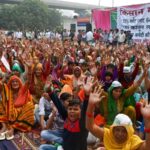
The announcement has triggered widespread discussion across the villages included in the first phase. Farmers and residents are actively debating issues related to land pricing, compensation, rehabilitation, and future urban development opportunities.
Many landowners believe the project could significantly increase property values and improve infrastructure in the surrounding region. At the same time, some residents are demanding a more balanced policy that prioritizes employment opportunities, rehabilitation measures, and protection of local social structures.
Officials stated that feedback from farmers and local communities will be considered while shaping the next stages of implementation.
Major Push Expected for Industrial and Urban Expansion
The New Noida project is being considered one of Uttar Pradesh’s largest urban expansion missions. Once completed, it is expected to attract major investments in industries, real estate, logistics, infrastructure, and commercial development.
Authorities are planning to integrate the project with major infrastructure initiatives including Noida International Airport, freight corridors, industrial parks, and expressway networks to create a large economic growth zone in western Uttar Pradesh.
Urban planning experts believe the development of New Noida could significantly strengthen the NCR’s economic and infrastructure ecosystem in the coming years.
For now, authorities are focused on initiating the land acquisition process in the identified villages, and discussions with farmers are expected to intensify in the coming months as the project moves into implementation mode.