In the wake of the Israel-Iran conflict, families of political prisoners in Iran are reporting worsening conditions and fear that executions could be accelerated as authorities crack down on dissent. As Iran struggles with internal security concerns following Israel’s military actions, a new wave of repression is sweeping across the nation, leaving families anxious for the safety of their loved ones.
Harsh Conditions and Prison Transfers
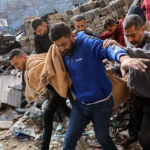
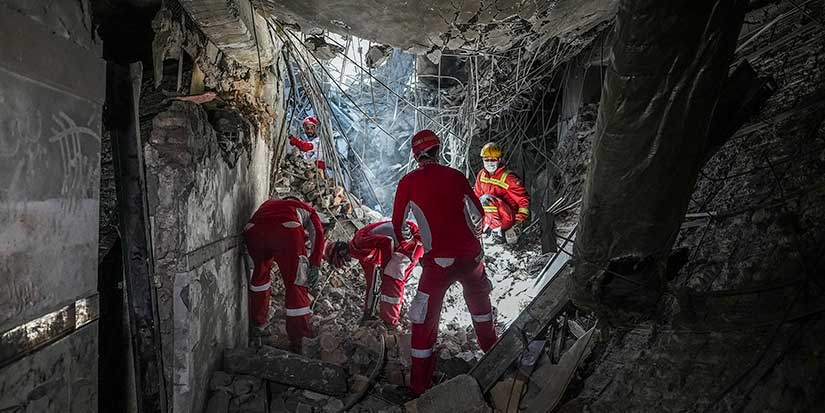
Reza Khandan, a 60-year-old human rights activist, was transferred from Tehran’s Evin prison to another facility in the south of the capital following an Israeli airstrike on 23 June that killed 71 people. His daughter, Mehraveh, described the conditions as horrific, sharing how her father and other prisoners were forced to sleep on the floor, dealing with unsanitary conditions including bedbugs and limited access to clean water.
Many prisoners have been moved to unknown locations, and those who managed to contact their families report conditions worse than those at Evin, a facility already notorious for torture and harsh treatment of political detainees. Long queues for limited phone access have left many families without information about their relatives, increasing fear and uncertainty about their fate.
Fear of Accelerated Executions and Crackdown on Dissent
Families are particularly worried about the fate of prisoners on death row. Asso Azizi, whose sister Pakhshan Azizi, a Kurdish aid worker, is facing the death penalty, expressed concerns that authorities might expedite executions as a tactic to instill fear among citizens. Amnesty International has highlighted Pakhshan’s case, stating that her death sentence was given solely due to her peaceful humanitarian activities, under charges of armed rebellion against the state.
Reports indicate that women prisoners, including Pakhshan, were moved to the overcrowded Qarchak prison, often without being allowed to take personal and sanitary belongings. The Iranian government has tightened its grip on society, with security forces setting up checkpoints, checking mobile phones, and detaining individuals for their online activities.
During the 12-day war with Israel, which began on 13 June with Israeli airstrikes followed by Iran’s missile response, Iran arrested around 700 people on allegations of collaborating with Israel. Human rights organisations, including the Center for Human Rights in Iran, report that hundreds more have been arrested in Tehran, with six individuals executed on espionage charges. Iran’s parliament is now reviewing a bill that would broaden the use of the death penalty for those accused of collaborating with foreign powers.
Hadi Ghaemi, executive director of the Center for Human Rights in Iran, has condemned these practices, stating that authorities are locking people away without access to legal representation and using national security charges to justify executions, aiming to re-establish control and silence dissent.
As Iranian authorities intensify their crackdown, the murky legal system and widespread reports of torture and secret trials make it difficult for families to track and advocate for their loved ones. “It is clear that a new wave of intense repression has begun, more severe than ever before,” Mehraveh said, echoing the fears of many families bracing for what may come next in Iran.