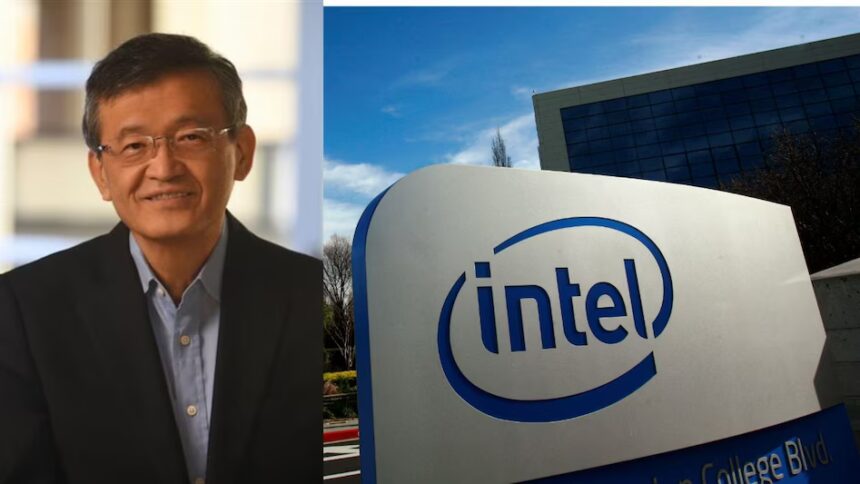
Intel, the iconic U.S. chipmaker, has announced a sweeping set of executive changes, signaling a strategic overhaul aimed at revitalizing its business operations and reinforcing its position in the global semiconductor industry. Among the most notable developments, Intel revealed that Michelle Johnston Holthaus, its products chief with over three decades of service, will be departing the company. Holthaus has held numerous senior leadership positions, including serving as interim co-chief executive officer following the departure of former CEO Pat Gelsinger. Her exit marks the end of an era at Intel, though she will continue to serve as a strategic adviser during the transition period. This executive reshuffle coincides with CEO Lip-Bu Tan’s intensified efforts to streamline the company’s leadership, flatten reporting structures, and accelerate turnaround initiatives in the face of increasing competitive pressures from other global semiconductor players.
Strategic Leadership Changes and Departure of Products Chief
Michelle Johnston Holthaus’ departure represents one of the most significant moves in Intel’s executive shake-up. Having joined the company more than thirty years ago, Holthaus rose through the ranks, earning a reputation for her extensive operational experience and leadership in product strategy. She played a critical role during periods of corporate transition, including her tenure as interim co-CEO when the company underwent major leadership changes. Her leadership was pivotal in managing Intel’s product roadmap, overseeing chip development, and navigating market shifts. With her departure, Holthaus leaves behind a legacy of operational expertise and strategic insight that has shaped Intel’s product portfolio over decades. While she will remain an adviser for several months, her absence underscores the magnitude of change within Intel’s upper management as CEO Lip-Bu Tan seeks to consolidate authority and directly oversee key business units, including core chip divisions.
Alongside Holthaus’ exit, Intel has announced several high-profile appointments aimed at reinforcing its engineering and operational capacity. Kevork Kechichian has joined Intel as executive vice president and general manager of the data center group. A seasoned chip industry veteran, Kechichian comes from Arm, where he served as executive vice president of engineering. He also brings experience from NXP Semiconductors and Qualcomm, providing Intel with deep expertise in advanced semiconductor engineering and data center technologies. His appointment is expected to strengthen Intel’s data center offerings, a critical segment in the company’s revenue structure, while driving innovation in next-generation chip designs for enterprise and cloud computing applications.
In addition, Intel announced the creation of a new central engineering group to drive custom silicon development and broader market engagement. This group will be led by Srinivasan Iyengar, a senior vice president, who will oversee the establishment of a new custom silicon business. The initiative is aimed at expanding Intel’s capabilities in designing specialized chips for external customers, a growing area of demand in the semiconductor industry where bespoke solutions for enterprise, artificial intelligence, and data-intensive workloads are increasingly critical. Iyengar’s leadership in this expanded role reflects Intel’s strategic emphasis on leveraging custom silicon as a differentiator in a highly competitive landscape.
Expansion of Roles and Organizational Streamlining for Growth
Further changes within Intel’s leadership include the expanded responsibilities of Naga Chandrasekaran, executive vice president and chief technology and operations officer of Intel Foundry. Chandrasekaran will now oversee Foundry Services, reflecting the company’s intention to consolidate operational oversight and enhance service offerings for clients leveraging Intel’s foundry capabilities. This move aligns with broader industry trends in which semiconductor companies are increasingly providing specialized manufacturing services to external customers, enabling diversified revenue streams and strengthening client relationships.
Jim Johnson has been appointed as general manager of Intel’s client computing group, a critical segment encompassing personal computing solutions and client-focused hardware. Johnson’s appointment underscores Intel’s continued focus on maintaining its leadership in consumer and commercial computing while aligning product strategy with broader corporate objectives. These appointments collectively signal Intel’s commitment to refining operational efficiency, driving innovation across product lines, and establishing clear leadership structures to accelerate decision-making and strategic execution.
The executive reshuffle comes at a particularly complex moment for Intel. U.S. President Donald Trump recently indicated that the government would acquire a 10% stake in the company, further adding a layer of scrutiny and oversight to Intel’s corporate governance and strategic planning. Trump has also publicly called for CEO Lip-Bu Tan to resign over potential conflicts of interest, highlighting the intense political and public scrutiny surrounding Intel’s leadership and operational decisions. In this context, the executive changes appear designed to reinforce corporate stability, strengthen leadership continuity, and demonstrate proactive strategic management amid heightened external attention and market challenges.
CEO Lip-Bu Tan’s efforts to flatten Intel’s leadership structure reflect a broader industry trend toward more agile, responsive corporate management in the semiconductor sector. By ensuring that critical business units report directly to the CEO, Tan aims to accelerate decision-making, eliminate bureaucratic bottlenecks, and improve accountability. The restructuring also includes targeted job reductions and operational streamlining designed to optimize cost structures, enhance productivity, and align Intel’s workforce with evolving strategic priorities. Industry analysts note that such measures are crucial for Intel as it navigates a competitive landscape dominated by rivals such as AMD, Nvidia, and emerging Asian semiconductor firms.
Holthaus’ departure, while notable, is part of a larger narrative of leadership evolution at Intel. By bringing in executives like Kevork Kechichian and empowering existing leaders such as Srinivasan Iyengar and Naga Chandrasekaran, Intel is strategically positioning itself to address immediate operational challenges while laying the groundwork for future growth. The combination of experience from seasoned industry professionals and internal leadership continuity is expected to enhance Intel’s capability to innovate in both traditional chip markets and emerging areas like artificial intelligence, machine learning, and specialized data processing hardware.
The formation of the central engineering group under Iyengar’s leadership represents a deliberate shift in Intel’s approach to market engagement. By focusing on custom silicon solutions, Intel aims to capture a broader range of clients seeking specialized chip designs tailored to unique computational requirements. This initiative not only strengthens Intel’s competitive positioning but also opens potential new revenue channels, particularly as industries increasingly demand high-performance, application-specific integrated circuits for AI, cloud computing, and data analytics workloads.
Intel’s organizational changes also underscore the company’s focus on aligning technology strategy with market demands. Expanding Chandrasekaran’s portfolio to include Foundry Services reflects the importance of comprehensive client-oriented offerings in the semiconductor landscape. Meanwhile, Johnson’s appointment to the client computing group highlights Intel’s continued investment in maintaining leadership in PC and workstation segments. Collectively, these moves reinforce Intel’s dual focus on advancing cutting-edge technology while ensuring robust operational execution across all business units.
The ongoing political attention, particularly surrounding the government’s potential stake in Intel and public statements by former President Trump, adds an additional layer of complexity to the company’s strategic decision-making. These developments necessitate careful navigation of regulatory, public, and shareholder interests while simultaneously driving technological innovation and maintaining competitive positioning in the global semiconductor industry. Analysts note that the current executive reshuffle, combined with Tan’s leadership style, reflects a comprehensive approach to addressing these multifaceted challenges.
Intel’s current restructuring aligns with broader industry trends emphasizing agile governance, strategic focus on high-value segments, and investment in talent capable of driving innovation. The company’s focus on flattening leadership, establishing new engineering groups, and expanding the responsibilities of key executives reflects a commitment to streamlining operations, reducing redundancy, and accelerating the pace of innovation. These strategic moves are critical as Intel seeks to reinforce its position in high-growth segments such as data center solutions, AI chips, and custom silicon for enterprise clients.
The appointment of Kevork Kechichian to the data center group is particularly significant, given the growing importance of data center performance and cloud computing solutions in driving semiconductor demand. Kechichian’s background at Arm, Qualcomm, and NXP equips him with extensive experience in advanced chip design, operational management, and industry partnerships, which are expected to contribute to Intel’s competitiveness in the enterprise market. By combining external expertise with internal leadership continuity, Intel aims to balance innovation with operational stability.
Simultaneously, Holthaus’ advisory role during the transition period ensures that Intel benefits from institutional memory and historical insight, providing continuity amid broader leadership changes. Her guidance is expected to support strategic decision-making, operational handover, and smooth integration of newly appointed executives. This dual approach—combining new leadership with seasoned advisory support—underscores Intel’s comprehensive strategy for sustainable growth and effective corporate governance.
Intel’s extensive executive reshuffle represents a deliberate, strategic response to both internal operational challenges and external pressures from the market and political landscape. By appointing new leaders, expanding the responsibilities of existing executives, and establishing a central engineering group focused on custom silicon, Intel is positioning itself to accelerate innovation, strengthen operational efficiency, and navigate a complex, competitive environment. These measures reflect CEO Lip-Bu Tan’s commitment to reinforcing leadership, streamlining decision-making, and maintaining Intel’s status as a global leader in the semiconductor industry while preparing the company for the next phase of technological and market challenges.