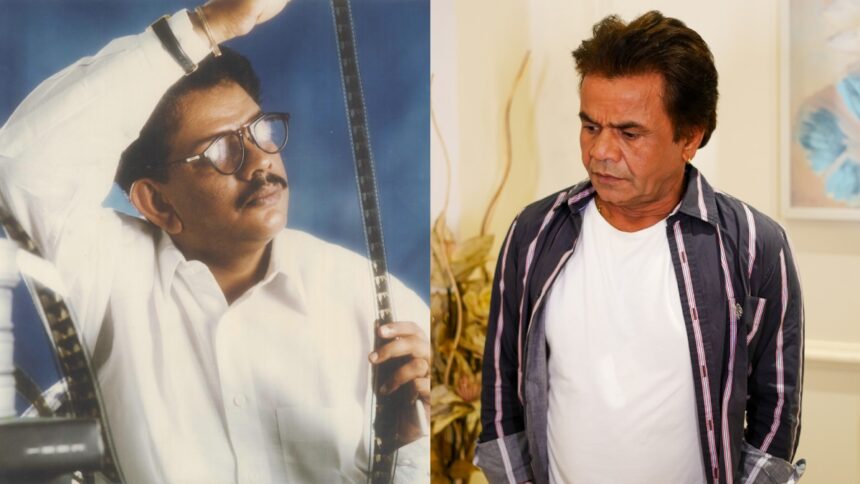
Bollywood actor Rajpal Yadav continues to face financial and legal challenges as he serves time in Tihar Jail for a cheque bounce case related to his 2012 film, Ata Pata Laapata, prompting filmmaker Priyadarshan to step in and support him by increasing his fee for upcoming projects. The actor-director duo, who have collaborated on iconic films such as Malamaal Weekly, Bhool Bhulaiyaa, Bhagam Bhaag, and Chup Chup Ke, are now navigating this high-stakes period marked by mounting dues, prolonged legal proceedings, and personal hardship, highlighting both the pressures of the entertainment industry and enduring professional loyalty.
Priyadarshan’s Support and Fee Hike for Rajpal Yadav
Rajpal Yadav, celebrated for his comic timing and versatile performances, has faced a difficult phase in his career due to financial struggles stemming from a cheque bounce case that has now culminated in his imprisonment. Filmmaker Priyadarshan, who has known Rajpal for over two decades, has taken a decisive step to ensure the actor’s livelihood and continued engagement in the film industry. Priyadarshan shared that he instructed producers of his upcoming projects, including Jubilee Films, to compensate Rajpal Yadav more than his usual fee, acknowledging the actor’s current predicament and the long-term association they have shared in the film industry.
The relationship between Priyadarshan and Rajpal Yadav dates back to their first collaboration on Malamaal Weekly, following Rajpal’s remarkable performance in Jungle. Over the years, Rajpal has become a staple in Priyadarshan’s films, contributing memorable roles that often blend comic relief with critical plot elements. Recognizing both his talent and the hardships he has faced due to lack of formal education and financial literacy, Priyadarshan emphasized that the fee increase was necessary not just as compensation for work, but as a gesture to help the actor overcome his current crisis. He remarked that Rajpal is a “good soul” whose missteps in life were never reflective of his character but rather the challenges posed by circumstances beyond his control.
By elevating Rajpal Yadav’s remuneration, Priyadarshan hopes to address the financial strain caused by the extended dues and interest on the loan taken for Ata Pata Laapata, which amounted to nearly Rs 9 crore over the years. This intervention is more than a simple financial adjustment; it is a reaffirmation of professional solidarity and long-term support for an actor who has been central to many of Priyadarshan’s successful films. The director’s proactive approach underscores the significance of trust, mentorship, and advocacy within the Bollywood ecosystem, particularly in cases where artists confront legal and financial adversity.
In addition to increasing Rajpal Yadav’s fee, Priyadarshan has actively promoted him in advertising campaigns and ensured his continuous involvement in film projects. By securing his participation in upcoming films and advocating for higher pay, Priyadarshan is also aiming to restore Rajpal’s professional stability and public standing while mitigating the economic challenges that led to his legal troubles. This intervention comes at a time when Rajpal Yadav’s presence in films has historically been a critical component of their commercial and artistic success, highlighting the symbiotic relationship between actors and directors in shaping career longevity and financial security.
The Legal Battle and Imprisonment at Tihar Jail
Rajpal Yadav’s current incarceration is tied to the cheque bounce case originating from his 2012 film, Ata Pata Laapata. The film, which failed to perform at the box office, was financed through a substantial loan of Rs 5 crore. However, due to the film’s poor performance and subsequent inability to repay the loan, multiple bounced cheques led to legal proceedings under the Negotiable Instruments Act, ultimately resulting in a conviction and the actor’s surrender to Tihar Jail authorities. Over time, accumulating interest, penalties, and late charges increased the financial burden on Rajpal Yadav, further complicating his ability to resolve the matter promptly.
Before his surrender, Rajpal Yadav openly expressed the isolation and emotional strain he faced throughout the legal battle, describing a sense of complete loneliness in navigating this crisis. He highlighted the absence of immediate solutions and the feeling of being unsupported during a period of immense stress. These admissions paint a portrait of the personal toll that prolonged legal and financial disputes can have on artists in the Indian film industry, emphasizing the intersection of professional setbacks, public scrutiny, and the vulnerability of performers to economic pitfalls.
The actor’s plight drew attention from his peers in the film industry, prompting assistance from Bollywood personalities such as Salman Khan and Sonu Sood, who provided support during this challenging period. This wave of solidarity underscores the collaborative and often familial dynamics within Bollywood, where personal bonds and shared experiences frequently influence responses to adversity. Industry figures’ interventions, coupled with Priyadarshan’s fee increase, highlight a network of professional and personal support aimed at stabilizing Rajpal’s career while he serves his jail term.
The next scheduled hearing in Delhi High Court, set for February 16, continues to be a focal point for legal resolution and potential bail consideration. The protracted nature of the legal proceedings reflects systemic delays in addressing financial disputes related to film financing and the challenges faced by actors who become entangled in complex contractual and banking obligations. This situation underscores broader structural issues within the film industry and financial institutions, particularly regarding the management of loans, repayments, and legal accountability.
Rajpal Yadav’s case also brings attention to the vulnerabilities faced by actors who, despite long-standing contributions to cinema, encounter severe repercussions due to limited financial literacy or misjudgments in contractual and banking matters. The actor’s difficulties reveal a critical gap in industry support mechanisms, especially for performers who, like Rajpal, have worked across decades and contributed significantly to Bollywood’s commercial successes.
Through the lens of this ongoing crisis, Priyadarshan’s actions assume additional significance, demonstrating the potential for mentorship and advocacy to offset systemic shortcomings. By increasing Rajpal’s fee and ensuring his inclusion in upcoming projects, Priyadarshan not only safeguards the actor’s immediate financial needs but also affirms the enduring value of professional relationships and loyalty in navigating the complexities of an industry fraught with uncertainties.
Moreover, the fee hike has both practical and symbolic implications. Practically, it provides Rajpal Yadav with immediate financial relief, enabling him to address legal dues and manage personal expenses accrued during imprisonment. Symbolically, it reinforces the notion that talent, dedication, and longstanding collaborations are recognized and rewarded, even in the face of adversity. This approach may serve as a model for other filmmakers, highlighting the role of ethical leadership and personal accountability in sustaining the careers and well-being of artists.
The collaboration between Priyadarshan and Rajpal Yadav, spanning multiple decades, exemplifies the intricate interdependencies of actor-director relationships in Bollywood. From Malamaal Weekly to Bhool Bhulaiyaa, Bhagam Bhaag, and Chup Chup Ke, Rajpal has consistently contributed to films’ narrative depth, comedic elements, and audience appeal. Priyadarshan’s support during this period demonstrates the long-term investment in human capital and the recognition that careers are not merely transactional but built on trust, mentorship, and mutual commitment.
Rajpal’s ongoing incarceration and Priyadarshan’s intervention also highlight the broader social and ethical dimensions of the film industry. While financial mismanagement and legal disputes can threaten an actor’s career, the presence of supportive collaborators can mitigate negative impacts and foster rehabilitation. By acting decisively, Priyadarshan reinforces the principle that artists should be protected and supported during unforeseen crises, preserving both individual dignity and the cultural contributions of cinema professionals.
This episode sheds light on the complex challenges associated with film financing, actor remuneration, and the consequences of unsuccessful projects. It also underscores the responsibilities of directors, producers, and industry stakeholders in ensuring the financial and professional well-being of talent. By stepping forward to increase Rajpal Yadav’s fee and advocate on his behalf, Priyadarshan exemplifies a proactive approach to ethical and compassionate leadership within the creative industry.
The fee increase also strengthens Rajpal’s position within upcoming productions, enabling him to secure prominent roles and maintain his career trajectory despite legal encumbrances. By ensuring that Rajpal remains a central figure in films, Priyadarshan provides both stability and a platform for renewed professional growth, demonstrating how strategic decisions in casting, remuneration, and mentorship can directly influence an artist’s resilience and industry longevity.
As legal proceedings continue, Priyadarshan’s support offers a critical lifeline, blending practical assistance with moral encouragement. The combination of increased remuneration, ongoing engagement in films, and endorsement from respected industry figures highlights a comprehensive approach to crisis management for actors facing both financial and legal adversities. Such initiatives also contribute to shaping industry norms around mentorship, ethical responsibility, and professional loyalty.
Overall, the intervention by Priyadarshan underscores a key narrative in Bollywood: the importance of long-term relationships, trust, and proactive support in safeguarding talent during periods of vulnerability. By increasing Rajpal Yadav’s fees, ensuring his continued inclusion in upcoming projects, and advocating for his well-being, Priyadarshan demonstrates the enduring value of mentorship, professional solidarity, and the human dimension within the high-stakes environment of film production.