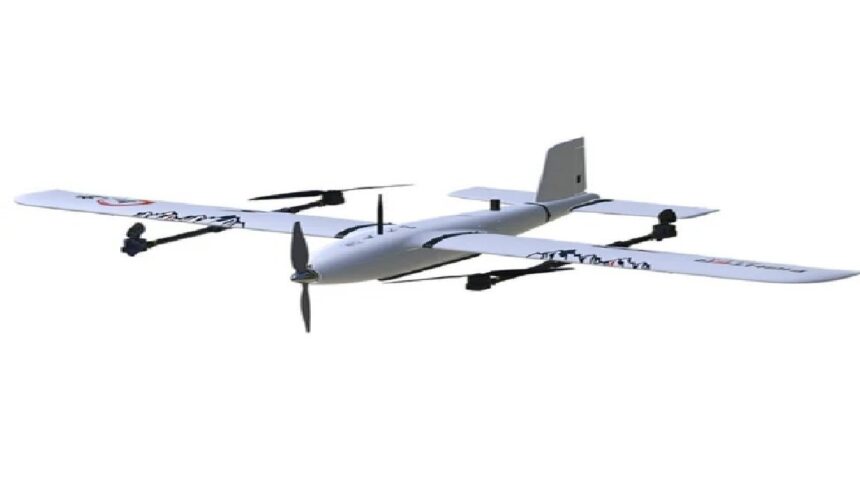
In a pioneering effort to combat drought and support agriculture in Rajasthan, India is conducting its first-ever drone-based artificial rain trial today in the Ramgarh Dam area of Jaipur. This innovative project aims to trigger rainfall through cloud seeding using drones, marking a significant shift from traditional aircraft-based methods. The initiative, led by the Rajasthan Agriculture Department in partnership with US-Bengaluru-based technology firm GenX AI, promises a more targeted and efficient approach to rain enhancement. Agriculture Minister Dr. Kirodi Lal Meena will officially inaugurate the trial at 2 pm, with several industry experts overseeing the operation. This trial represents hope for farmers in drought-prone regions by leveraging cutting-edge technology to address water scarcity challenges.
Drone Technology and Cloud Seeding: How the Trial Works
Artificial rainmaking or cloud seeding is a weather modification technique that involves dispersing certain substances into clouds to stimulate rainfall. In this trial, drones will be used to carry and disperse particles such as silver iodide, sodium chloride, or dry ice into the clouds hovering over the Ramgarh Dam region. These particles serve as nuclei, encouraging moisture in the clouds to condense into larger water droplets. Once these droplets become heavy enough, they fall as rain.
Traditionally, India has attempted artificial rain using aircraft, which cover broad areas and can be expensive and less precise. The use of drones marks a breakthrough because they can fly over specific, smaller regions, allowing more focused cloud seeding. This precision can potentially make the process more efficient and better suited for localized drought relief efforts, especially in water-stressed agricultural zones.
The pilot project will include 60 cloud-seeding flights, each carefully monitored by a team of scientists and technical experts stationed in Jaipur. The team has been conducting preliminary drone tests in recent days to ensure optimal conditions for the trial. Local residents have been invited to witness the historic launch, which could set a precedent for future water management practices not just in Rajasthan but across drought-prone areas of India.
Significance and Challenges of Artificial Rainmaking in Rajasthan
Rajasthan has long faced severe droughts, impacting millions of farmers and threatening food security. The state’s agriculture depends heavily on monsoon rains, and inconsistent or deficient rainfall leads to crop failures and economic distress. Traditional artificial rain efforts in Rajasthan have had mixed success. Two years ago, a Rs 10-crore cloud-seeding operation using aircraft was conducted at Bhaisunda Dam in Chittorgarh but failed to produce any meaningful rainfall despite the chemical dispersal.
The hope now is that drones, with their ability to precisely target specific cloud formations, will improve the effectiveness of artificial rainmaking. Smaller, localized applications mean that cloud seeding can be done where moisture is adequate, increasing the likelihood of rain. Moreover, drones are more cost-effective and can be deployed faster than aircraft, making them suitable for repeated use in drought-affected areas.
This trial also carries importance beyond just the immediate region. If successful, it could provide a scalable model for artificial rain interventions in other parts of India struggling with water shortages. The lessons learned from this trial will guide future policies and investments in weather modification technologies, supporting the agriculture sector and contributing to sustainable water management.
However, artificial rainmaking is not without its challenges. Its success heavily depends on the presence of sufficient moisture in the clouds, and unfavorable weather conditions can limit its effectiveness. Additionally, the environmental impact and long-term consequences of repeated cloud seeding remain subjects of ongoing research and debate among scientists worldwide.
The collaboration between the Rajasthan government and GenX AI signifies an important step towards integrating modern technology with traditional farming needs. It also reflects a growing trend of leveraging AI, drones, and precision agriculture tools to build resilience against climate variability and droughts, which are increasingly frequent due to global climate change.
As the trial unfolds today, all eyes will be on the skies above Ramgarh Dam, hoping for the first successful drone-triggered rainfall in India — a milestone that could bring relief to thousands of farmers and inspire similar innovations across the country.