The Election Commission of India is set to release the draft electoral rolls prepared under the Special Intensive Revision exercise for Kerala, Madhya Pradesh, Chhattisgarh, and the Andaman and Nicobar Islands, marking a crucial phase in a nationwide voter list overhaul that has already triggered intense political debate and public attention.
The publication of these draft rolls on December 23 follows the Commission’s recent release of revised data for West Bengal and Tamil Nadu, where a substantial number of names were removed during the first phase of the revision process. With Assembly elections approaching in several states, the latest round of draft rolls is expected to intensify scrutiny of the electoral process while placing responsibility on voters to verify their details and seek corrections where necessary.
Draft rolls release and the broader special intensive revision exercise
According to the revised schedule issued by the Election Commission, draft voter rolls for Kerala, Madhya Pradesh, Chhattisgarh, and the Andaman and Nicobar Islands will be made public on December 23. The enumeration process for these regions was originally scheduled to conclude on December 11, with draft rolls expected to be released by December 16. The updated timeline reflects adjustments made during the course of the large-scale revision exercise.
The Special Intensive Revision of electoral rolls is currently being carried out across 12 states and Union Territories, making it one of the most extensive voter list exercises undertaken in recent years. The final electoral rolls under this process are scheduled to be published in February, after the completion of claims, objections, and verification procedures.
Earlier in December, the Election Commission released draft rolls for West Bengal, Rajasthan, Goa, Puducherry, and Lakshadweep. Shortly thereafter, the Chief Electoral Officer of Tamil Nadu announced that more than 97 lakh names had been deleted from the draft voter list in the state at the end of the first phase of the revision. This disclosure, combined with similar data from West Bengal, where around 58 lakh names were missing from the draft rolls, has placed the SIR exercise at the centre of national political discourse.
The scale of deletions has varied significantly across regions. Tamil Nadu has recorded the highest number of deletions, followed by West Bengal. Rajasthan witnessed a reduction of approximately 44 lakh voters, while Puducherry and Goa reported declines of just over one lakh names each. Lakshadweep saw a comparatively marginal drop of about 1,600 electors. These variations have raised questions about demographic shifts, data accuracy, and the methodology adopted during the revision.
Election officials have maintained that the exercise is aimed at cleaning up electoral rolls by removing duplicate, shifted, or deceased voters, thereby strengthening the integrity of the democratic process. However, political parties and civil society groups in several states have expressed concern over the potential impact of large-scale deletions, especially in electorally sensitive regions.
Verification process, voter responsibilities, and next steps
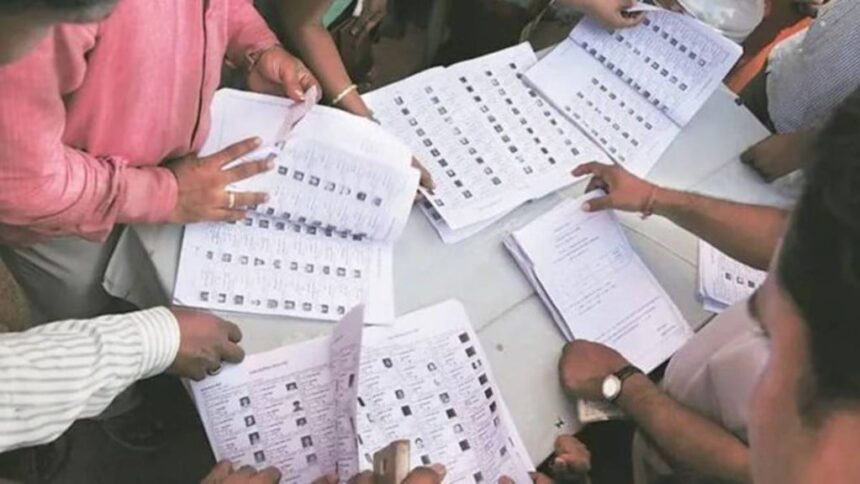
With the release of the draft rolls for Kerala, Madhya Pradesh, Chhattisgarh, and the Andaman and Nicobar Islands, the focus now shifts to public verification. The updated voter lists will be uploaded on the official website of the Election Commission as well as on respective state-level election portals. Voters will be required to search for their names and verify that personal details such as name, address, age, and polling station information are correctly recorded.
For voters who find their names missing or notice errors in their details, the claims and objections window will open shortly after the publication of the draft rolls. During this period, affected individuals can submit claims for inclusion or correction using the prescribed forms, along with supporting documents and declarations as required. The hearing process for such claims is expected to begin within a few days of the draft publication.
Election officials have emphasised that the draft stage is a critical opportunity for voters to engage with the process and ensure that no eligible elector is excluded from the final rolls. They have urged citizens to actively check their details rather than wait for the final publication in February. The Commission has also indicated that awareness drives and facilitation centres will be used to assist voters, particularly in rural and remote areas.
The SIR exercise has also sharpened political fault lines, especially in states heading toward Assembly elections. Opposition parties in some regions have alleged that large-scale deletions could disproportionately affect certain voter groups, while ruling parties have defended the process as a necessary administrative measure. The Election Commission has reiterated its commitment to neutrality, transparency, and adherence to established procedures.
As the verification phase unfolds, the coming weeks are expected to see increased engagement from political parties, advocacy groups, and voters themselves. The outcome of this process will not only determine the accuracy of the electoral rolls for the upcoming elections but may also shape broader debates about voter registration, data management, and electoral reforms in India.
With draft rolls now being released in phases across the country, the Special Intensive Revision of 2025 is emerging as a defining exercise for India’s electoral landscape, placing both institutional processes and public participation under close observation.