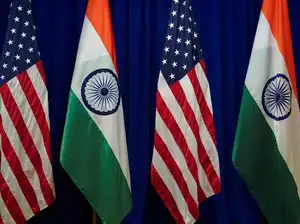
India and the United States have stepped up discussions on a comprehensive bilateral trade agreement as officials from both sides engaged in intensive meetings in New Delhi. India’s Commerce Secretary, Rajesh Agrawal, met with U.S. Deputy Trade Representative Rick Switzer to deliberate on a wide spectrum of trade and economic issues, including ongoing negotiations for a mutually beneficial bilateral trade agreement. The discussions come against a backdrop of India seeking relief from punitive U.S. tariffs imposed on its imports of Russian crude oil, while Washington seeks enhanced access for its agricultural and meat products in the Indian market. The talks are part of a broader effort to strengthen strategic economic ties and create a sustainable framework for long-term trade cooperation between the two democracies.
Bilateral Trade Discussions Gain Momentum Amid Tariff and Market Access Issues
The intensified dialogue between India and the U.S. reflects the urgency on both sides to address contentious trade matters and explore new avenues for collaboration. According to the Indian Ministry of Commerce, the two sides exchanged comprehensive views on issues ranging from tariff structures to market access and regulatory harmonization. The discussions also included consultations on the structure and framework of a bilateral trade agreement aimed at creating a win-win scenario for both nations.
Rick Switzer, leading the U.S. delegation in New Delhi, is spearheading a two-day series of consultations designed to bridge differences and identify mutually acceptable solutions. Switzer’s visit comes at a time when the U.S. is particularly focused on securing greater market access for its agricultural and meat exports, which have historically faced resistance from Indian regulatory and tariff policies. At the same time, India has consistently maintained that any trade deal must respect its strategic and economic priorities, including energy security and diversification of its import sources.
In parallel, the U.S. Trade Representative, Jamieson Greer, informed U.S. lawmakers that while India had shown reluctance in expanding imports of farm and meat products, it demonstrated a “quite forward leaning” approach in the latest discussions. This statement indicates that although differences remain, both sides are actively exploring avenues to reconcile divergent positions.
For India, the negotiations are not merely about market access but also about ensuring that its domestic industries and farmers are not adversely affected. Indian officials have emphasized that the proposed bilateral trade agreement must be balanced, fostering investment, technology exchange, and economic growth without compromising domestic priorities. This approach has been central to India’s negotiation strategy, reflecting a careful calibration between facilitating trade and protecting local stakeholders.
From the U.S. perspective, there is recognition that India represents one of the fastest-growing major economies with a substantial consumer base, making it a critical partner for trade expansion. The U.S. delegation is reportedly looking at ways to address Indian concerns regarding energy security and supply diversification while simultaneously advancing American economic interests in the agricultural and manufacturing sectors.
The exchange of views during these two-day consultations is also expected to touch upon regulatory frameworks, intellectual property rights, and tariff rationalization measures. Both sides have acknowledged that resolving these issues will require sustained dialogue, technical cooperation, and a willingness to find compromises that can accommodate the core interests of each nation. The talks also signify the growing strategic alignment between India and the United States, where trade discussions are increasingly linked to broader geopolitical and economic considerations, including energy security, technology transfer, and regional stability.
Strategic and Economic Implications of the India-US Trade Talks
Beyond immediate trade concerns, the ongoing discussions carry significant implications for bilateral economic relations and regional trade dynamics. For India, securing relief from punitive U.S. tariffs on Russian oil imports is a pressing concern, particularly given the country’s energy demands and the importance of maintaining a diversified supply chain. Any agreement that alleviates tariff pressures would have a direct impact on India’s energy costs and its broader economic planning, influencing both industrial and household consumption patterns.
On the U.S. side, advancing market access for agricultural and meat products remains a priority, reflecting domestic political pressures and the economic interests of American producers. Enhanced exports to India would not only boost U.S. agricultural revenue but also reinforce economic interdependence, providing a platform for deeper strategic engagement with a rising Asian economy. The willingness of Indian negotiators to engage constructively indicates a recognition of the mutual benefits of a structured trade framework, even as sensitive sectors remain protected.
The discussions also encompass technical cooperation and the potential for harmonizing regulatory standards, which could facilitate smoother trade flows and reduce the risk of disputes. Areas such as product standards, labeling, and compliance mechanisms are likely to be part of the detailed negotiations, highlighting the complexity of formulating a comprehensive bilateral trade agreement. India and the U.S. are both cognizant that achieving such harmonization requires careful balancing of domestic legal frameworks and international trade norms.
Additionally, the talks have broader geopolitical significance. Strengthening economic ties between India and the United States is seen as part of a strategic partnership aimed at fostering regional stability, enhancing supply chain resilience, and promoting democratic economic cooperation. The bilateral trade discussions, therefore, are intertwined with diplomatic, security, and technological considerations, making them a multidimensional engagement rather than purely an economic negotiation.
For policymakers in both capitals, the success of these talks will be measured not only by tariff reductions or export volumes but also by the ability to institutionalize mechanisms for ongoing dialogue, dispute resolution, and coordinated economic planning. By creating a stable and predictable framework for trade, India and the U.S. aim to build confidence among businesses, investors, and policymakers, thereby facilitating long-term economic growth and strategic alignment.
The two-day consultations in New Delhi are expected to set the tone for subsequent rounds of negotiation, with follow-up meetings anticipated in both countries. Experts suggest that while progress may be incremental, sustained engagement could eventually lead to a formal bilateral trade agreement that addresses core concerns of both nations. This would mark a significant milestone in India-U.S. economic relations, strengthening not just trade ties but also strategic trust and cooperation.
India’s approach to these negotiations reflects its broader economic strategy of balancing global engagement with domestic protection, ensuring that trade agreements enhance growth without compromising sovereignty. By maintaining a careful stance on sensitive sectors while engaging constructively on shared priorities, India demonstrates a pragmatic approach aimed at maximizing benefits while mitigating risks. Similarly, the U.S. strategy reflects a combination of economic pragmatism and strategic foresight, aiming to secure market access while reinforcing the bilateral partnership.
Although challenges remain, the ongoing India-U.S. trade discussions represent a significant effort to deepen economic ties, align strategic interests, and develop a mutually beneficial trade framework. The success of these talks could reshape bilateral commerce, strengthen regional economic integration, and enhance the long-term partnership between two of the world’s largest democracies. The outcomes will be closely monitored by businesses, policymakers, and international observers, as they have implications for global trade patterns, energy security, and strategic alliances in Asia and beyond.