Gautam Buddh Nagar
With temperatures steadily rising across the district, the administration has issued a detailed advisory to safeguard residents against heatwave conditions and hot winds. The warning highlights the increasing risk of heat-related illnesses due to prolonged exposure to high temperatures and emphasizes the need for immediate preventive action.
According to officials, extended exposure to extreme heat or hot winds can lead to heatstroke, a potentially life-threatening condition. Residents have been advised to remain cautious, minimize outdoor exposure, and seek immediate medical assistance in case of symptoms associated with heat stress.
Under the guidance of Additional District Magistrate (Finance and Revenue) Atul Kumar, the District Disaster Management Authority has released a comprehensive set of dos and don’ts in public interest. District Disaster Expert Omkar Chaturvedi outlined key measures to help individuals and communities cope with the ongoing heatwave.
Key Preventive Measures Advised
Residents have been urged to stay updated with heatwave warnings through various communication channels. Drinking adequate water is essential, even if one does not feel thirsty, to avoid dehydration. Wearing light-colored, loose cotton clothing is recommended to help the body remain cool.
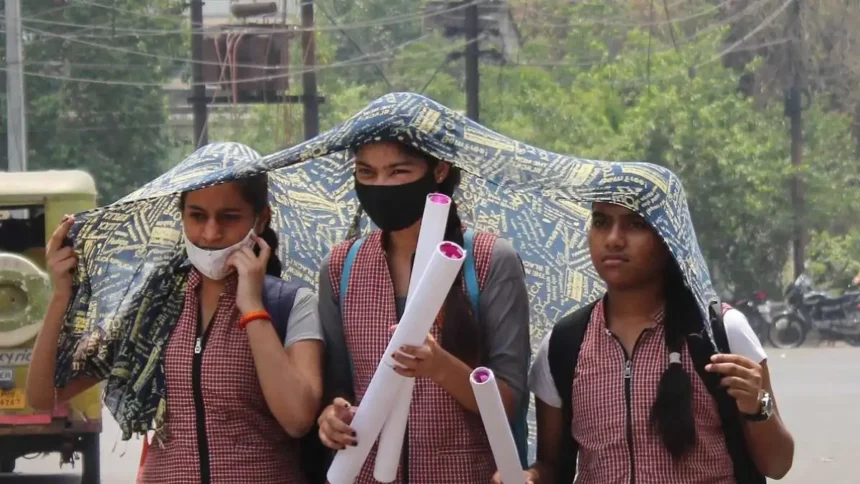
People stepping out are advised to use protective items such as sunglasses, umbrellas, caps, and appropriate footwear to reduce direct sun exposure. Those working outdoors should cover their head, face, hands, and feet with damp cloth and take frequent breaks in shaded areas.
Carrying drinking water during travel is strongly recommended. The advisory also suggests consuming Oral Rehydration Solutions (ORS) and homemade beverages such as lemon water, buttermilk, lassi, and rice water to replenish lost fluids and maintain electrolyte balance.
Identifying Symptoms and Immediate Response
The advisory emphasizes awareness of heat-related symptoms, including weakness, dizziness, headache, nausea, excessive sweating, and unconsciousness. Recognizing these early signs can help prevent severe complications.
In case of suspected heatstroke, the affected individual should be moved to a shaded or cool place immediately. Cooling measures such as wiping the body with a wet cloth or bathing should be initiated, followed by prompt medical consultation. Seeking timely medical assistance is crucial in preventing serious outcomes.
Maintaining a Cool Environment
Residents have been advised to keep their homes cool by using curtains, doors, and ventilation effectively. Keeping windows and doors closed during the day and opening them during the evening and night can help regulate indoor temperatures.
The use of fans, wet cloths, and frequent bathing is recommended to reduce body heat. At workplaces, employers have been instructed to ensure the availability of safe drinking water and encourage employees to avoid direct sunlight exposure.
Workplace Safety and Special Care Groups
The advisory calls for rescheduling physically demanding tasks to cooler parts of the day, such as early morning or late evening. Increasing the frequency and duration of rest breaks is also recommended, especially for workers exposed to outdoor conditions.
Special attention should be given to vulnerable groups, including pregnant women, individuals with existing health conditions, and workers engaged in strenuous activities. Ensuring their safety and well-being is a key priority during extreme heat conditions.
Additionally, authorities have directed that fire safety equipment and systems in hospitals, malls, schools, and other public places must remain functional and ready, considering the increased risk of fire incidents during summer.
What to Avoid During Heatwave
The advisory clearly outlines actions to avoid during extreme heat conditions. Children and animals should never be left unattended in parked or closed vehicles, as temperatures inside can rise rapidly to dangerous levels.
Residents are advised to avoid going out between 12 PM and 3 PM, when the sun is at its peak intensity. Staying on lower floors of buildings is suggested where possible to reduce heat exposure.
Wearing dark, tight, or heavy clothing should be avoided, as it can trap heat and restrict airflow. Engaging in strenuous physical activities during high temperatures is also discouraged.
The advisory further cautions against consuming high-protein, stale, or contaminated food and beverages, as they can negatively impact health, particularly during extreme heat conditions.
Emphasis on Public Awareness and Preparedness
Authorities have stressed the importance of public awareness and community participation in tackling heatwave risks. Dissemination of timely information through media and public platforms is essential to ensure that residents remain informed and prepared.
Adhering to the recommended safety guidelines, making small adjustments in daily routines, and staying alert to changing weather conditions can significantly reduce the impact of heatwaves.
With temperatures expected to remain high in the coming days, residents are urged to remain vigilant and take all necessary precautions to protect themselves and others from the adverse effects of extreme heat.