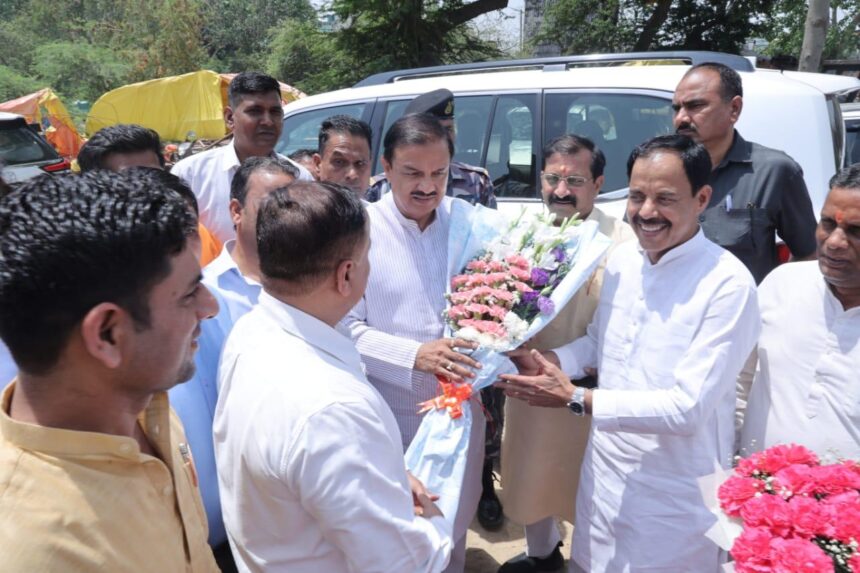
Noida is witnessing a significant shift in its rural infrastructure as a comprehensive overhaul of sewage and water systems begins in several key villages. Addressing the challenges of rapid population growth and aging infrastructure, a series of strategic projects were officially inaugurated on May 14, 2026. These initiatives aim to provide a permanent solution to persistent sewer overflows and damaged internal pipelines that have affected the quality of life in these densely populated areas.
*Strategic Investment in Baraula Infrastructure*
The largest portion of this development phase is centered in Baraula, where a major technical upgrade is underway. The project includes the construction of a 10 MLD capacity sewage sump well, reaching a depth of 10 meters, integrated with a modern rising main system. Alongside this, the water department is replacing over 3,375 meters of old and damaged internal sewer and water lines across 17 different streets. This specific initiative, costing approximately ₹978.68 lakh, is designed to modernize the village’s waste management capacity to match its current urban density.
*Comprehensive Maintenance in Chhajarsi and Hazartpur Wajidpur*
Reliability in local utility services is being prioritized in Chhajarsi and Hazartpur Wajidpur through targeted maintenance and line replacements. In Chhajarsi, an investment of ₹165.13 lakh is being utilized to replace 1,280 meters of choked and damaged water and sewer lines across three major streets. Similarly, Hazartpur Wajidpur will see an expenditure of ₹164.60 lakh to overhaul 1,300 meters of utility lines spanning six streets. These projects focus specifically on clearing chronically blocked sections and ensuring the structural integrity of the local grid.
*Expanding Water Accessibility in Sarfabad*
Sarfabad is slated for a dual-purpose upgrade that significantly boosts both waste management and water distribution. With an allocated budget of ₹107.15 lakh, the project will install over 1,306 meters of new sewer lines and a substantial 3,344 meters of water pipelines. This expansion covers nearly 23 streets in total, ensuring that the village’s growth is supported by a robust and high-capacity utility network. By replacing dilapidated segments, the project minimizes the risk of water contamination and environmental hazards.
*Environmental Impact and Sustainable Waste Management*
The overarching goal of these localized projects is to create a seamless link between rural residential zones and the nearest Sewage Treatment Plants (STPs). By modernizing the collection and transport of waste, the plan ensures that sewage is properly processed rather than overflowing into public spaces. This system-wide integration is a proactive step toward managing the environmental footprint of Noida’s expanding rural-urban fringe, ensuring a cleaner and more sustainable living environment for all residents.