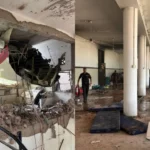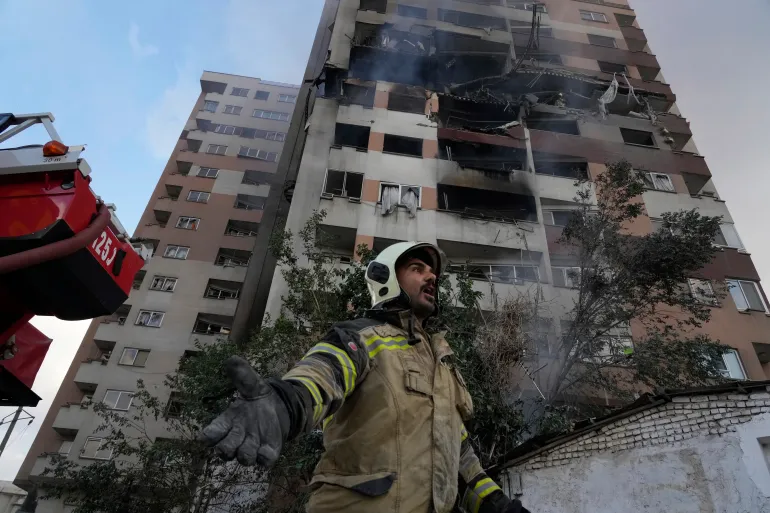
In an alarming escalation of hostilities, Israel and Iran have launched a series of deadly airstrikes and missile attacks against one another, marking the most intense military engagement between the two nations in recent history. Over the last 36 hours, the skies above Jerusalem, Tel Aviv, and several Iranian cities have been filled with smoke, missiles, and explosions as both sides unleash force in a high-stakes standoff centered on Iran’s nuclear ambitions. The death toll is climbing rapidly, and the situation has left the region—and the world—on edge.
Israel’s Preemptive Strikes Ignite the Clash
The confrontation erupted early on June 13 when Israel initiated preemptive strikes on Iran’s nuclear infrastructure. Using a fleet of over 200 fighter jets, including advanced F-35I Adirs, the Israeli Air Force targeted key nuclear facilities in Natanz, Fordow, and Isfahan. The strikes reportedly killed 78 people and wounded more than 320, many of them civilians, according to Iran’s UN representative. Among those believed to be killed were top commanders of Iran’s Revolutionary Guard and leading nuclear scientists.
Iran retaliated swiftly, first launching around 100 UAVs at Israeli territory, most of which were intercepted. Later in the evening, Iran escalated its response with a barrage of over 150 ballistic missiles aimed at Tel Aviv and Jerusalem. The explosions left at least 41 people injured, several critically, and caused significant damage across urban areas.
Casualties Mount, Regional Tensions Boil
On June 14, the conflict intensified further as Iran fired another wave of long-range missiles at Israel. Sirens rang out across Jerusalem, and multiple impacts were reported in the Tel Aviv area. In parallel, fires broke out at Tehran’s Mehrabad International Airport, adding to the chaos on Iranian soil.
The UN’s nuclear watchdog confirmed the destruction of the above-ground enrichment facility at Natanz and is still assessing damage at other sites. Israeli officials justified the operation, claiming Iran was just days away from having enough fissile material for multiple nuclear weapons. While the U.S. officially distanced itself from Israel’s actions, its missile defense systems reportedly helped intercept some of Iran’s projectiles. Iran, however, has accused Washington of complicity and warned of further consequences.
Both nations remain on high alert, with Israeli Prime Minister Benjamin Netanyahu indicating the operation could continue for two weeks. Global leaders are urging restraint as fears grow over a wider regional conflict.