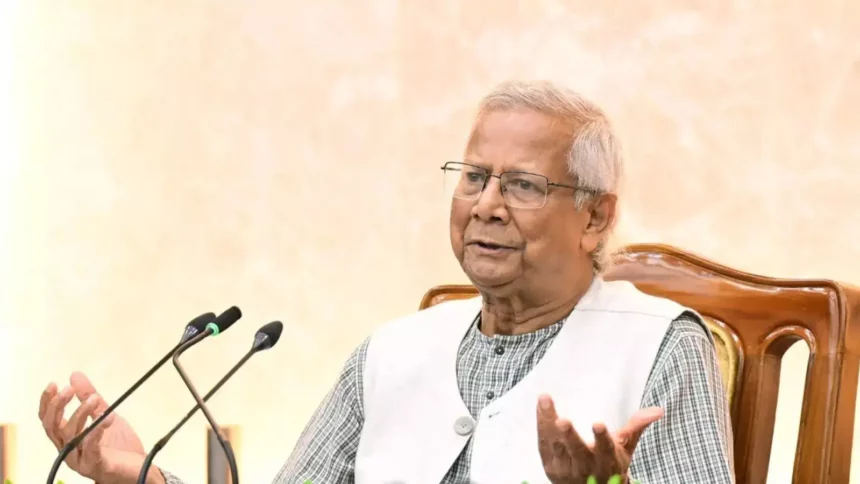
The political situation in Bangladesh is reaching a critical juncture as Muhammad Yunus, head of the interim government, has threatened to resign amidst mounting pressure from protests, political rivals, and the military. This announcement follows widespread demonstrations by the Bangladesh Nationalist Party (BNP) and stern warnings from the Army chief General Waker-Uz-Zaman demanding timely elections. Student leaders and Islamist groups are mobilizing for further protests in Dhaka, raising concerns over potential unrest and instability. Muhammad Yunus’ threat is viewed as a strategic move amid growing calls for elections and demands for political consensus in an increasingly tense environment.
Growing Protests and Political Pressure
In recent days, large-scale protests led by the BNP have intensified pressure on Muhammad Yunus and his interim administration. The BNP demands a clear election roadmap and has openly criticized Muhammad Yunus’ Cabinet, pressing for the resignation of several members seen as aligned with rival factions. The ban on the ruling Awami League has created a political vacuum, with the BNP positioning itself as the leading opposition eager to capitalize on this opportunity. Meanwhile, student leaders and Islamist groups are coordinating protests in Dhaka, planning marches toward the Army Cantonment after Friday prayers, signaling potential escalation of unrest.
Military’s Warning and Muhammad Yunus’ Dilemma
The Bangladesh Army chief, General Waker-Uz-Zaman, has issued a firm warning that elections must take place by December, criticizing Muhammad Yunus’ government for unilateral decisions and interference in military matters. This adds a layer of complexity to Muhammad Yunus’ already precarious position. Reports suggest Yunus contemplated resigning due to the hostile political climate and difficulties in governing amid ongoing protests and divisions. However, his Cabinet members have reportedly persuaded him to remain in office, hoping to navigate the crisis. Analysts fear Muhammad Yunus may rely on Islamist groups and student mobs to maintain his hold on power, further destabilizing the situation.
The next few days are crucial for Bangladesh as the nation grapples with a fragile interim government, widespread protests, and increasing demands for democratic elections.