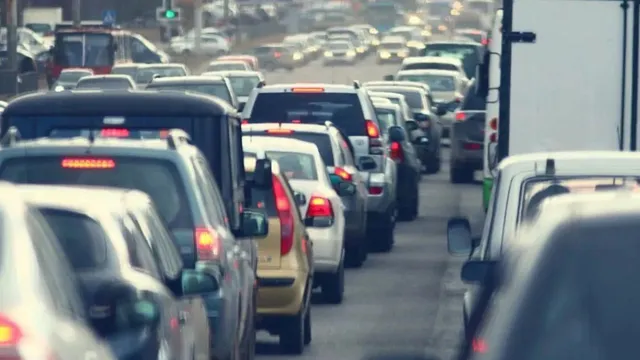
Commuters traveling between Delhi and Noida should brace for traffic disruptions on the Delhi-Noida Direct (DND) Flyway, as extensive road repair work has begun on one of the most crucial links connecting the two cities. The repair project, which started on Monday morning, is expected to last for about a month. During this period, traffic congestion is likely to increase, especially during peak hours. To minimize inconvenience, the Noida Traffic Police has issued an advisory urging commuters to opt for alternative routes during repair hours.
Major repair work begins on DND Flyway, traffic restrictions in place
The maintenance and resurfacing work on the DND Flyway has been initiated by the Noida Toll Bridge Company Limited to address the worsening condition of the road surface, which had developed multiple cracks and potholes over time. Currently, the repair work is focused on the Delhi-to-Noida corridor, and once it is completed, work will begin on the opposite side—Noida to Delhi.
The DND Flyway serves as one of the busiest stretches for daily commuters, with nearly five lakh vehicles using it every day. Even under normal circumstances, the flyway experiences heavy congestion during evening hours as vehicles move from Delhi toward Noida. With the ongoing repair work, traffic movement is expected to slow down further, and temporary lane closures are likely to create bottlenecks during peak travel hours.
To manage the situation, Noida Traffic Police has advised that repair work should not be carried out during rush hours—specifically in the morning and evening—to avoid unnecessary gridlocks. Officials have directed that the construction activities be limited to late-night and mid-day hours when traffic volume is comparatively lower.
As per the advisory issued by DCP Traffic Praveen Kumar Ranjan, repair work will be allowed only between 11 p.m. and 6 a.m. at night, and between 12 p.m. and 4 p.m. during the day. During these hours, one or two lanes on the affected side will be temporarily closed for maintenance. Ranjan emphasized that the goal is to complete the work efficiently without causing major disruption to commuters.
Authorities have also clarified that proper traffic diversion plans will be implemented to maintain smooth vehicular flow. Barricades and cautionary signboards have been placed along the affected stretch to alert drivers. Traffic personnel will be deployed at key points to regulate movement and assist motorists, particularly during lane closures.
The repair work includes complete resurfacing of the flyway, which will give the road a new and smoother finish once completed. Engineers are using durable materials to ensure the longevity of the new surface and to minimize maintenance in the near future.
Commuters urged to plan ahead and use alternative routes
Given the high volume of traffic on the DND Flyway, commuters have been urged to plan their journeys carefully and factor in possible delays. Noida Traffic Police has recommended that travelers heading toward Noida from Delhi use alternate routes such as the Ashram–Kalindi Kunj Road or the Mayur Vihar–Chilla border route. These routes may help bypass the ongoing repair work, particularly during night hours when one or more lanes of the DND are closed.
Traffic authorities have expressed concern that even with limited lane closures, the heavy movement of vehicles—especially commercial and office-bound traffic—could result in prolonged congestion. Therefore, they have appealed to drivers to maintain patience, follow diversion signs, and avoid unnecessary overtaking or stopping along the flyway.
In addition to the advisory, authorities have also coordinated with the Delhi Police to ensure traffic synchronization at entry and exit points of the flyway. This coordination aims to prevent backflow of traffic into Delhi roads, particularly during the morning rush when vehicles head toward Noida’s industrial and commercial hubs.
The ongoing work is being carried out with modern equipment to minimize noise and air pollution, particularly during night hours. Workers have been instructed to ensure that the lanes not under repair remain open and adequately lit for safe passage.
The DND Flyway, which was inaugurated in 2001, has been a vital lifeline between Delhi and Noida, drastically reducing travel time between the two cities. Over the years, however, the heavy influx of vehicles and extreme weather conditions have taken a toll on its surface. Potholes and uneven patches have become common, leading to accidents and vehicle damage. Many commuters had raised complaints about the deteriorating road condition, prompting authorities to undertake the current repair initiative.
According to project engineers, the entire stretch will undergo milling and resurfacing, replacing the old asphalt layer with a new, high-quality mix designed to withstand high traffic load. Drainage improvements and surface leveling will also be part of the restoration process to prevent waterlogging during rains. Once completed, the revamped flyway is expected to offer a smoother and safer driving experience for thousands of daily commuters.
For now, though, the focus remains on minimizing disruption during the repair period. The Noida Traffic Police has increased patrolling and deployed additional staff to monitor the situation in real time. Motorists are advised to keep updated through social media and radio alerts about live traffic conditions and diversions.
Despite the inconvenience, officials emphasize that the temporary discomfort will lead to long-term benefits. The DND Flyway’s maintenance had been pending for months due to administrative and weather-related delays, and completing this project ahead of the winter rush is crucial to prevent further road deterioration.
Commuters who depend on the flyway for their daily travel between Delhi and Noida have been requested to cooperate with traffic authorities and adhere to advisories. As the repair work continues through the month, the authorities hope to balance the dual challenge of road maintenance and commuter convenience, ensuring that the city’s most vital corridor remains functional and safe.