The ruling Dravida Munnetra Kazhagam (DMK) and its allies in the Secular Progressive Alliance have announced plans to stage demonstrations across Tamil Nadu on March 15, intensifying the political confrontation between the state government and the central administration. The protests are aimed at highlighting what the alliance describes as the Centre’s failure to release funds owed to the state under various government schemes and its alleged lack of preparedness in addressing a potential shortage of liquefied petroleum gas (LPG). The planned demonstrations are expected to take place in all districts across the state, signalling a coordinated effort by the alliance to mobilise public opinion and draw attention to the issues it claims are affecting both governance and everyday life in Tamil Nadu.
The announcement was made through a joint statement issued by the alliance partners, who collectively criticised the policies of the National Democratic Alliance (NDA) government at the Centre. According to the statement, the state government and its allies believe that financial allocations meant for Tamil Nadu under several central schemes have been withheld or delayed, creating challenges for the state administration in implementing welfare and development programmes. The alliance has framed the protests as a necessary step to defend the state’s rights and ensure that funds intended for public welfare are released without further delay.
Political disagreements between state governments and the central government over financial allocations are not uncommon in India’s federal system. States often rely on funds from the Centre for the implementation of national schemes, infrastructure projects, and welfare initiatives. When disputes arise regarding fund distribution or policy decisions, they can become major political issues that shape public debates and influence relations between state and central authorities.
The DMK-led alliance has argued that the alleged withholding of funds has affected the state’s ability to implement programmes that benefit citizens across various sectors. These programmes include initiatives related to social welfare, infrastructure development, and public services. By organising statewide demonstrations, the alliance aims to highlight what it sees as an imbalance in the Centre–state relationship and to demand greater financial cooperation from the central government.
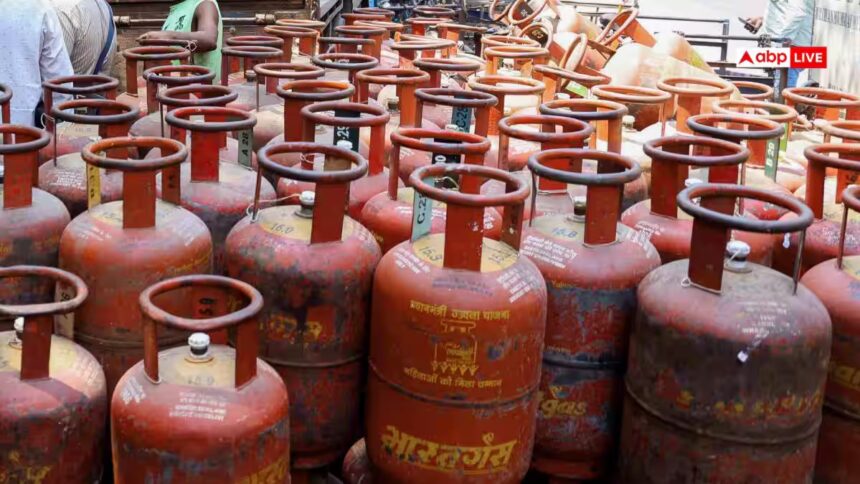
Alongside the issue of financial allocations, the alliance has also raised concerns about a potential shortage of LPG cylinders across the country. According to the joint statement released by the alliance partners, the situation has created difficulties for households, restaurants, and commercial establishments that depend on cooking gas for daily operations. The alliance has linked the emerging shortage to what it describes as shortcomings in the central government’s foreign policy and planning.
Cooking gas remains an essential household energy source for millions of families in India. Over the years, government initiatives aimed at expanding LPG access have significantly increased the number of households using gas cylinders for cooking. As a result, any disruption in supply can have widespread effects on daily life, particularly for families and businesses that rely on regular availability of cylinders.
The alliance’s statement suggested that the shortage has already begun affecting restaurants and other commercial establishments, which are finding it difficult to continue operations smoothly due to limited availability of LPG cylinders. According to the statement, the situation has caused inconvenience to the public and raised concerns among businesses that depend on cooking gas for their day-to-day activities.
Political Tensions Between State and Centre
The planned demonstrations highlight the continuing political tensions between the Tamil Nadu government and the central administration. The DMK, which leads the state government, has frequently criticised certain policies and decisions of the central government, particularly on matters related to federal relations, resource allocation, and governance priorities.
In India’s federal system, both the Centre and the states share responsibilities in implementing policies and delivering services to citizens. However, disagreements over financial distribution, administrative control, and policy priorities often become sources of political debate. State governments sometimes argue that insufficient financial support from the Centre can limit their ability to carry out development initiatives effectively.
The DMK-led alliance has framed the issue of fund allocation as a matter of fairness and constitutional federalism. By organising demonstrations across the state, the alliance aims to emphasise its position that Tamil Nadu should receive its rightful share of central funds for development and welfare programmes.
Political protests have long been a significant part of India’s democratic culture. Parties and alliances frequently organise demonstrations, rallies, and public meetings to express their concerns and mobilise support for their positions. Such activities are often used as a means of drawing public attention to issues that may not receive adequate focus through formal governmental channels.
The demonstrations planned for March 15 are expected to involve party workers, leaders, and supporters gathering in district headquarters across Tamil Nadu. These events are likely to include speeches, public meetings, and symbolic protests aimed at conveying the alliance’s demands to both the public and the central government.
The DMK’s allies in the Secular Progressive Alliance are also expected to participate actively in the demonstrations. The alliance consists of multiple political parties that have joined together to support the DMK-led government in the state. Their joint participation in the protests reflects a coordinated political strategy designed to present a united front against the central government’s policies.
Concerns Over LPG Supply and Public Impact
Another major issue highlighted by the alliance is the alleged shortage of LPG cylinders and its potential impact on households and businesses. LPG plays a crucial role in the daily lives of millions of people across India, serving as the primary cooking fuel for many families and commercial establishments.
The alliance’s statement argues that the central government failed to anticipate potential supply disruptions and did not take sufficient precautionary measures to prevent shortages. According to the statement, the resulting situation has created difficulties for consumers and businesses that depend on regular LPG supply.
Restaurants, small food businesses, and catering services are among the sectors most affected when cooking gas supplies become uncertain. These businesses rely on consistent access to LPG cylinders to maintain their operations. Any shortage or delay in supply can disrupt their activities, affect revenue, and inconvenience customers.
Households also face challenges when LPG cylinders become scarce. Many families depend entirely on LPG for cooking, and a shortage can force them to seek alternative fuel sources or delay essential household activities. In urban areas where access to traditional cooking fuels such as firewood is limited, LPG availability becomes even more important.
The alliance has linked the LPG shortage to broader geopolitical developments and foreign policy decisions that may influence energy supply chains. Energy markets are often affected by international political developments, trade dynamics, and shifts in global demand and supply patterns. Changes in these factors can sometimes lead to fluctuations in the availability or cost of energy resources.
By raising the issue during the planned demonstrations, the DMK-led alliance intends to draw attention to what it views as a policy failure that has direct consequences for ordinary citizens. The protests are expected to highlight both the economic and social implications of disruptions in essential commodities such as cooking gas.
Political observers note that such issues often become central themes in state-level political debates, especially when they affect everyday life. By focusing on matters such as fund allocation and LPG availability, political parties attempt to connect policy discussions with the practical concerns faced by citizens.
As the demonstrations approach, attention will likely focus on how the central government responds to the allegations raised by the alliance. The protests may also influence the broader political discourse surrounding Centre–state relations, energy supply management, and the role of federal cooperation in addressing challenges that affect citizens across the country.