New Delhi, 16 December 2025:
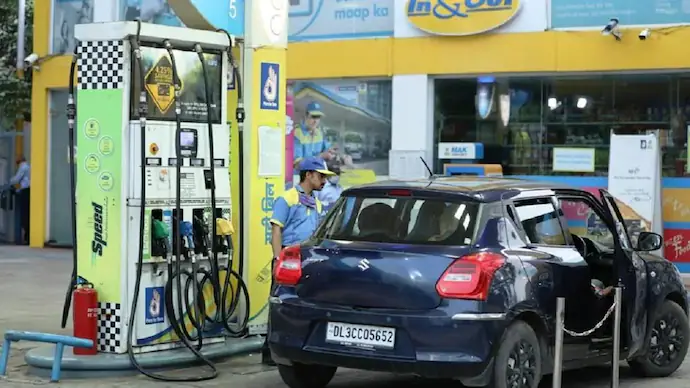
Under the leadership of Chief Minister Rekha Gupta, the Delhi Government has announced stringent measures to curb vehicular pollution in the capital. Environment Minister Manjinder Singh Sirsa stated that from 18 December, vehicles without a valid Pollution Under Control Certificate (PUCC) will not be allowed to refuel at petrol, diesel, or CNG pumps in Delhi.
Addressing a press conference at the Delhi Secretariat, the Environment Minister said, “To control vehicular tailpipe emissions, all petrol, diesel and CNG dealers have been directed to dispense fuel only upon presentation of a valid PUCC.”
He further clarified that to protect Delhi’s air quality, vehicles registered outside Delhi and below BS-VI standards will not be permitted entry when GRAP III and GRAP IV measures are in effect. Additionally, vehicles carrying construction materials will be restricted from entering the city during GRAP Stage IV. Automatic Number Plate Recognition (ANPR) and on-ground checks will be used to verify PUCC and vehicle emission categories. Citizens have been urged to comply and avoid conflicts with enforcement teams.
Highlighting the government’s data-driven interventions, Sirsa said, “In the first 11 months of this administration, eight months have recorded better air quality compared to the same period last year. Even in November, when Delhi typically faces high pollution, average AQI levels were about 20 points lower than the previous year. This reflects daily enforcement and long-term structural reforms.”
Industrial and Generator Enforcement
Sirsa stated that the Delhi Pollution Control Committee (DPCC) and district teams have conducted extensive surveys of industrial areas, redevelopment zones, and non-compliant units. So far, 824 industrial units have been identified for action. Over 2,000 notices and penalties totaling ₹9.21 crore have been issued to violators, with additional enforcement by other departments.
Strict action continues against diesel generator sets and polluting commercial establishments. More than 3,200 DG sets have been checked for CAQM compliance, and 318 banquet halls have been instructed to ensure their DG sets meet standards, with non-compliance resulting in sealing.
Legacy Waste and Electric Buses
To permanently address legacy waste, processing at Delhi’s three landfill sites has increased from 20,000 MT to 35,000 MT per day, with biomining targeted for completion by 2026. Out of approximately 202 acres covered by garbage mounds, 45 acres have been reclaimed, with plantations and dense urban forests developed on the cleared land, including a seven-acre forest.
On public transport, Sirsa said, “Delhi’s fleet is rapidly transitioning to green mobility. Currently, 3,427 electric buses are operational, with a target of 7,500 by December 2026, significantly reducing vehicular emissions.” He also noted that over 866,000 vehicles have been challaned for non-compliance with PUCC rules, improving adherence and awareness.
Political Context and Previous Governments
Responding to protests by the Aam Aadmi Party, Sirsa remarked, “Those who governed Delhi for 10–12 years and left the city plagued by pollution are now protesting the very issue they created. While some leaders are busy with theatrics, this government is acting like a doctor, tackling pollution hotspot by hotspot, landfill by landfill, and industry by industry.”
He added that while previous administrations had identified only 13 pollution hotspots, the current government has mapped 62 traffic congestion hotspots and is taking targeted measures at each.
Expert Committees and Industrial Monitoring
A high-level expert group led by a former Environment Secretary has been formed to provide scientific guidance on pollution mitigation. In parallel, a CAQM committee is working to refine and upgrade action plans. Online Emission Monitoring Systems (OCEMS) have been installed in 280 industrial units, with strict penalties, including closure, for non-compliance.
To curb winter biomass burning, 3,500 electric heaters are being distributed free to guards and night-time workers to prevent burning of wood or waste for warmth.
Appeal to Citizens
Sirsa urged Delhi residents to obtain valid PUCC certificates immediately and comply with new fuel and entry regulations. “No government can eliminate pollution entirely in 9–10 months, but the direction is clear. Every day, AQI is being reduced step by step. Clean air is possible only when the government and citizens work together,” he said.
He concluded, “This government is committed to providing Delhi clean air, cleaner streets, and a future free of garbage mountains. Tough decisions will be taken whenever required and implemented with full force.”