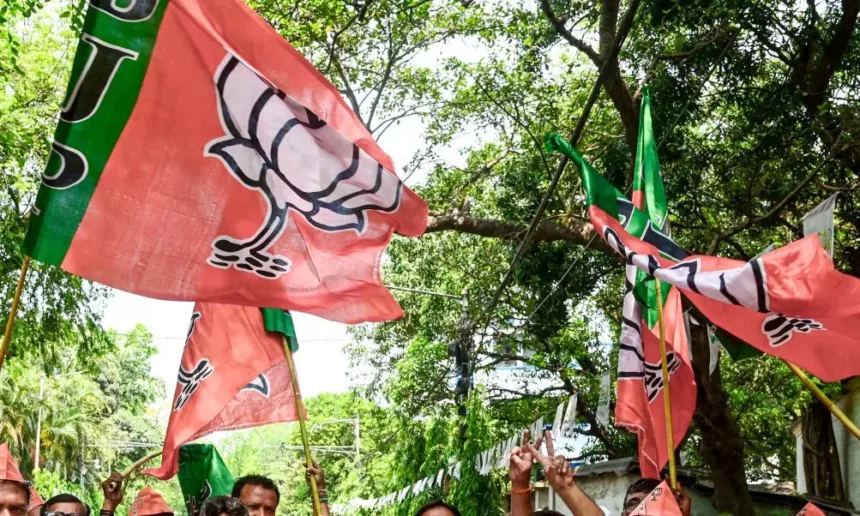
The Bharatiya Janata Party is set to unveil its much-anticipated West Bengal manifesto, marking a critical moment in the run-up to the 2026 assembly elections. This document is expected to serve not only as a policy blueprint but also as a strategic political instrument aimed at expanding the party’s footprint in a state where electoral competition has grown increasingly intense. With voter expectations evolving and regional dynamics shifting, the manifesto is likely to address a wide spectrum of issues ranging from economic development and employment to governance reforms and law and order. As political parties gear up for a decisive electoral contest, the BJP’s manifesto launch is poised to play a significant role in shaping the narrative and influencing voter sentiment across the state.
Political Strategy and Electoral Messaging in a Competitive Landscape
The release of the BJP West Bengal Manifesto 2026 comes at a time when the political environment in the state is marked by heightened competition and deep polarization. Over the past several years, West Bengal has emerged as a key battleground, with multiple parties striving to consolidate their voter base and expand their appeal among diverse demographic groups. In this context, the manifesto is expected to reflect a carefully calibrated strategy that combines ideological messaging with pragmatic policy commitments.
One of the central aspects of the manifesto is likely to be its focus on governance and administrative efficiency. The BJP has consistently emphasized issues such as corruption, transparency, and accountability in its political discourse, and these themes are expected to find prominence in the document. By positioning itself as a party capable of delivering clean and effective governance, the BJP aims to contrast its approach with that of its political rivals, thereby appealing to voters who are seeking change and stability.
Economic development is another key area that the manifesto is expected to address in detail. West Bengal, with its rich cultural heritage and strategic geographic location, holds significant potential for industrial growth and investment. However, challenges related to infrastructure, policy implementation, and investor confidence have often hindered progress. The BJP is likely to outline a comprehensive plan to attract investments, boost industrial activity, and create employment opportunities, particularly for the youth. This may include proposals for improving infrastructure, streamlining regulatory processes, and fostering a business-friendly environment.
In addition to economic issues, the manifesto is also expected to focus on social welfare and inclusive development. The BJP has increasingly sought to broaden its appeal by addressing the needs of various social groups, including women, farmers, and marginalized communities. By incorporating targeted welfare measures and development initiatives, the party aims to present itself as a viable alternative that can deliver both growth and equity.
The manifesto’s messaging is also likely to reflect the BJP’s broader national narrative while adapting it to the specific context of West Bengal. This includes emphasizing themes such as national integration, cultural identity, and security, which have been central to the party’s political strategy. At the same time, the document is expected to address local issues and concerns, thereby striking a balance between national priorities and regional aspirations.
Governance Vision, Development Agenda, and Voter Outreach
The BJP West Bengal Manifesto 2026 is expected to articulate a detailed governance vision that outlines the party’s approach to addressing the state’s key challenges. This vision is likely to encompass a wide range of sectors, including education, healthcare, infrastructure, and agriculture, reflecting the party’s commitment to holistic development.
In the education sector, the manifesto may propose measures to improve the quality of schooling, enhance access to higher education, and promote skill development. With a growing emphasis on employability and innovation, the BJP is likely to highlight initiatives aimed at equipping students with the skills needed to succeed in a rapidly changing economy. This could include the establishment of new educational institutions, partnerships with industry, and the introduction of modern curricula.
Healthcare is another area where the manifesto is expected to present a comprehensive plan. The COVID-19 pandemic underscored the importance of a robust healthcare system, and political parties across the country have since placed greater emphasis on this sector. The BJP may outline proposals to strengthen healthcare infrastructure, increase access to medical services, and improve the quality of care, particularly in rural and underserved areas.
Infrastructure development is likely to be a cornerstone of the BJP’s agenda for West Bengal. The manifesto may include plans for expanding road networks, improving public transportation, and enhancing connectivity across the state. By focusing on infrastructure, the party aims to create a foundation for sustained economic growth and development. This is also expected to be linked with efforts to promote tourism, which has significant potential in a state known for its cultural and natural attractions.
Agriculture, which remains a vital part of West Bengal’s economy, is also expected to receive considerable attention in the manifesto. The BJP may propose measures to support farmers, improve irrigation facilities, and ensure better market access for agricultural produce. By addressing the challenges faced by the farming community, the party seeks to strengthen its connect with rural voters and demonstrate its commitment to their welfare.
Another important aspect of the manifesto is likely to be its focus on law and order. The BJP has often raised concerns about security and governance in West Bengal, and the manifesto is expected to outline steps to enhance public safety and strengthen the rule of law. This may include proposals for police reforms, improved law enforcement mechanisms, and measures to ensure justice and accountability.
Voter outreach is also expected to play a crucial role in the BJP’s strategy. The manifesto is not just a policy document but also a tool for communication and engagement. By clearly articulating its vision and priorities, the party aims to connect with voters at a deeper level and build trust. This involves not only highlighting its achievements and capabilities but also addressing the concerns and aspirations of the electorate.
The timing of the manifesto release is also significant, as it allows the BJP to set the tone for the electoral campaign and shape the discourse in the weeks leading up to the elections. By presenting a comprehensive and forward-looking vision, the party seeks to position itself as a credible contender capable of delivering meaningful change in West Bengal.
At the same time, the manifesto is expected to reflect lessons learned from previous elections and adapt to the evolving political landscape. This includes recognizing the importance of regional dynamics, understanding voter behavior, and responding to emerging issues. By doing so, the BJP aims to enhance its competitiveness and strengthen its position in the state.
The BJP West Bengal Manifesto 2026 thus represents a critical component of the party’s electoral strategy, combining policy proposals with political messaging to create a compelling narrative. As the elections approach, the impact of this document will depend not only on its content but also on how effectively it is communicated and implemented.