In the aftermath of the Red Fort terror attack in Delhi, which claimed 12 lives and injured over 30 people, a sharp political confrontation has emerged between the Bharatiya Janata Party (BJP) and Congress leader P. Chidambaram. The BJP accused P. Chidambaram of providing indirect support, or “cover fire,” to terrorists through his remarks on domestic radicalisation, igniting a new controversy amid ongoing investigations. The Red Fort blast, which took place near Gate No. 1 of the Red Fort Metro Station, involved high-grade explosives planted inside a vehicle, and authorities are intensively probing the matter to uncover connections to broader terror networks. The clash between political narratives and security concerns underscores the heightened tension in the national discourse around terrorism, extremism, and government accountability.
Political Fallout and BJP’s Accusations
The political storm began when BJP spokesperson Pradip Bhandari criticized P. Chidambaram, questioning Congress’s position on handling terrorism and alleging that the party was giving soft support to terrorists. Bhandari said, “Why is the Congress giving soft support and cover fire to terrorists in the Red Fort blast case? A terrorist is a terrorist! No circumstance justifies an act of terror.” His remarks highlighted the BJP’s effort to portray Congress’s statements as undermining the government’s counterterrorism measures and called attention to the perceived political implications of P. Chidambaram’s earlier comments on domestic extremism.
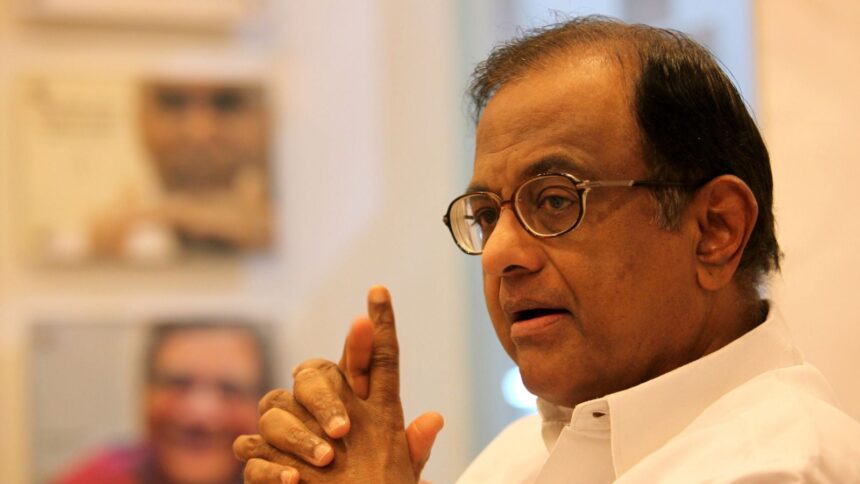
P. Chidambaram, a former home minister, had previously discussed the distinction between foreign-trained infiltrated terrorists and home-grown extremists during parliamentary debates, particularly referencing Operation Sindoor. He argued that understanding the causes behind domestic radicalisation is essential for effectively countering extremism. According to him, his past remarks were intended to highlight the need for introspection and preventative measures to address factors that lead Indian citizens, including educated individuals, to embrace terrorism. However, the BJP interpreted these remarks as providing justification or leniency toward terrorists, leading to accusations of Congress offering indirect support to extremist elements.
The confrontation has intensified political tensions, with the BJP asserting that P. Chidambaram’s statements were not only ill-timed but could also embolden radical elements, while Congress maintains that the focus should remain on understanding the root causes of domestic radicalisation to prevent future incidents. The exchange reflects the complex intersection of national security concerns, political posturing, and the broader debate over how best to address extremism within India’s borders.
Details of the Red Fort Blast and Ongoing Investigations
The Red Fort explosion occurred on a Monday evening around 6:55 pm, involving a white Hyundai i20 car parked near Gate No. 1 of the metro station. The blast resulted in the deaths of 12 individuals and injuries to over 30, causing widespread panic and drawing national attention to the severity of domestic security challenges. Preliminary investigations indicate that high-grade explosives were used, and authorities suspect premeditated planning and coordination by a network of individuals.
The National Investigation Agency (NIA) and Delhi Police Special Cell are jointly investigating the case under the Unlawful Activities (Prevention) Act (UAPA) and the Explosive Substances Act. CCTV footage has revealed that the car remained parked near the metro station for nearly three hours before the detonation, indicating careful planning by the perpetrators. Investigators are meticulously working to trace the identities of those involved, ascertain their motivations, and determine potential connections to larger terrorist networks both within India and internationally.
Security experts have noted that the attack, targeting a densely populated public space, underscores the ongoing threat posed by home-grown extremist groups. While international terrorism remains a concern, domestic radicalisation is increasingly recognized as a pressing challenge requiring comprehensive policy measures, intelligence coordination, and community engagement. The incident at Red Fort has prompted renewed discussion on preventive strategies, the need for robust counterterrorism mechanisms, and the accountability of political leaders in shaping public discourse around extremism.
P. Chidambaram’s remarks, emphasizing the need to investigate the root causes of domestic radicalisation, are grounded in a broader perspective that considers socioeconomic factors, ideological influences, and systemic vulnerabilities that may contribute to the radicalisation of individuals. These comments, however, collided with the BJP’s narrative, which frames terrorism in absolute moral terms and rejects any discourse that could be construed as contextualizing or mitigating the culpability of terrorists. The tension between these perspectives highlights the delicate balance between analytical assessment of radicalisation and immediate political responsibility in a high-stakes security environment.
As the investigation continues, authorities are also examining whether the perpetrators had affiliations with known extremist organizations or operated independently. The use of high-grade explosives and the strategic timing of the blast suggest operational sophistication, prompting concerns about the potential for future attacks and the need for enhanced intelligence sharing and security protocols. Law enforcement agencies are coordinating with national and international partners to map potential networks, disrupt logistics chains, and prevent the proliferation of explosive materials.
The political dialogue surrounding the Red Fort blast reflects not only party rivalries but also the broader challenges India faces in addressing terrorism domestically. While immediate responses focus on investigation and law enforcement, longer-term strategies involve understanding the sociopolitical context that allows radical ideologies to take root, implementing community outreach programs, and ensuring that security measures are complemented by preventive interventions. P. Chidambaram’s emphasis on examining the factors behind home-grown extremism aligns with this comprehensive approach, even as BJP’s critique underscores the sensitivity of political messaging in the wake of a deadly attack.
In the current climate, the Red Fort incident serves as a reminder of the persistent threat of terrorism in urban centers, the complexities of political responsibility, and the interplay between security policy and public discourse. Authorities are working to piece together the sequence of events, identify all individuals involved, and understand the motivations behind the attack to strengthen preventive mechanisms. Simultaneously, political debates continue, reflecting divergent interpretations of statements made by leaders and the perceived implications for national security.
The fallout from the attack has reinforced the importance of vigilance, intelligence-led policing, and timely action against extremist elements. As investigations proceed, the balance between political accountability and security imperatives remains a central concern. The Red Fort blast has not only caused loss of life and injuries but also heightened national awareness of the need for proactive measures to prevent terrorism, safeguard citizens, and ensure that political rhetoric aligns with public safety priorities.
The controversy surrounding P. Chidambaram’s comments and BJP’s response illustrates the challenges of political communication in a crisis. Leaders must navigate the delicate terrain of addressing public fears, maintaining credibility, and engaging in constructive discourse without inadvertently creating confusion or undermining security efforts. The debate underscores the broader question of how political narratives shape public perception of terrorism, extremism, and governmental response, influencing both domestic and international confidence in India’s counterterrorism framework.
As law enforcement agencies continue to probe the Red Fort blast, questions remain about how political discourse, public statements, and media coverage intersect with ongoing investigations. The incident highlights the necessity for coherent messaging, responsible leadership, and collaboration between political parties, security agencies, and civil society to address both the immediate and structural aspects of terrorism. Ensuring that the nation remains resilient against threats requires vigilance, strategic planning, and a nuanced understanding of the factors that contribute to radicalisation and violent extremism.
The Red Fort terror attack and subsequent political debates reveal the complexities of managing national security in a democratic society. Leaders’ statements, while politically significant, also carry implications for security operations and public confidence. P. Chidambaram’s focus on understanding domestic radicalisation reflects an analytical approach to counterterrorism, aiming to prevent future attacks, whereas BJP’s criticism emphasizes moral clarity and the absolute condemnation of terrorism. This interplay between analysis and political positioning shapes India’s ongoing dialogue on security, governance, and the responsibilities of political leaders in times of crisis.
The Red Fort blast serves as a case study in the intersections of terrorism, political accountability, and societal impact. The investigation and the political discourse surrounding it highlight the necessity for balanced approaches that integrate intelligence, law enforcement, political responsibility, and public awareness. As authorities pursue leads, ensure accountability, and seek to prevent recurrence, the incident underscores the broader imperative of protecting citizens while navigating the complex dynamics of domestic and global terrorism threats.