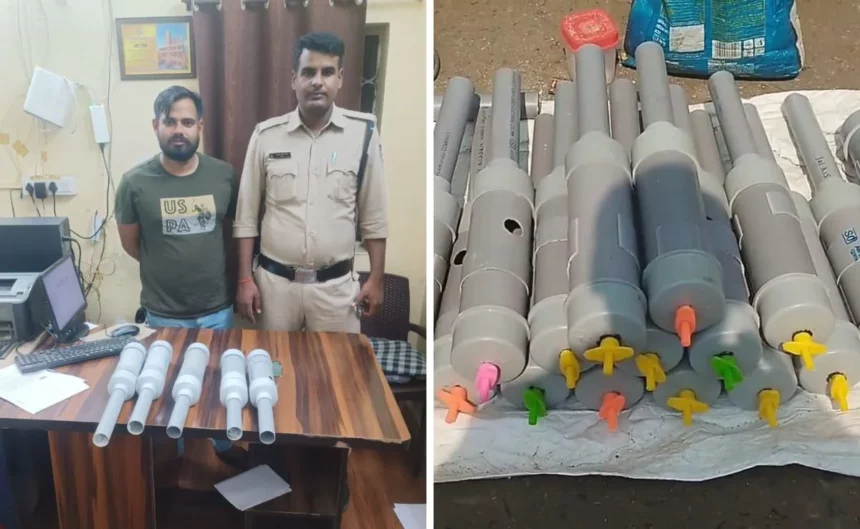
During this year’s Diwali celebrations in Madhya Pradesh, a wave of distress struck residents of Bhopal, Gwalior, and surrounding districts as nearly 300 people reported severe eye injuries, burns, and partial or total vision loss due to the use of carbide guns, a type of homemade firecracker. In response to the escalating public health emergency and mounting complaints, the state government has announced a comprehensive ban on the sale, purchase, and storage of carbide guns in these districts. The prohibition follows alarming reports from health authorities and hospital data indicating that children and young adults were disproportionately affected, prompting swift administrative intervention to prevent further casualties. Authorities have underscored the need for rigorous enforcement, citing the combustible and toxic nature of these devices and the significant risk they pose to eye safety and overall health.
Carbide Guns Cause Widespread Injuries and Trigger Health Emergency
Madhya Pradesh health officials have confirmed that the impact of carbide guns during Diwali was both severe and widespread. Around 300 individuals across multiple districts reported eye irritation, chemical burns, or partial to complete loss of vision, creating a public health crisis. Hospitals, particularly the ophthalmology departments of major medical institutions such as Gandhi Medical College in Bhopal, witnessed an influx of patients requiring urgent treatment. Of the 186 patients treated in Bhopal alone, a significant number were children aged between seven and fourteen, highlighting the vulnerability of young festival-goers. Thirty-six patients remain under ongoing care, with fifteen having already undergone surgical interventions to address critical eye injuries.
Medical professionals treating the victims have issued stern warnings about the potential for permanent vision loss among those affected, emphasizing that the widespread use of carbide guns this Diwali has marked one of the darkest in recent years for the state. Experts explain that carbide guns, which operate by combining carbide and water to produce acetylene gas, are not only highly explosive but also release toxic fumes capable of causing irreversible damage to the eyes, brain, and nervous system. The combination of mechanical impact and chemical exposure has resulted in both acute injuries and long-term health concerns, particularly among children who are most susceptible to physical trauma and chemical burns.
The impact was not confined to Bhopal alone. Districts such as Gwalior, Indore, and Vidisha reported similar incidents, with hospitals documenting hundreds of cases involving burns, visual impairment, and eye infections. In several instances, children were playing outdoors with these devices without adequate supervision, leading to immediate exposure to high-pressure explosions. Parents and community members expressed shock and distress over the sheer scale of injuries, calling for stricter regulatory measures and public awareness campaigns to prevent future tragedies.
Government and Law Enforcement Take Swift Action to Ban and Control Carbide Guns
In response to the alarming rise in injuries, the state government swiftly issued a formal ban on the manufacture, sale, purchase, and storage of carbide guns in Bhopal, Gwalior, and other severely affected districts. The prohibition was enforced under Section 163 of the Indian Civil Defense Code, 2023, which allows authorities to impose immediate restrictions on dangerous items capable of causing mass harm. The ban targets retailers, wholesalers, and individuals attempting to store or sell these hazardous devices, with violators subject to criminal prosecution and First Information Reports.
In Bhopal, authorities conducted targeted raids on firecracker shops, resulting in the seizure of 55 carbide guns. An FIR was filed against Mohammad Taha, a resident of Ehsan Nagar, for selling these banned devices, while police in Gwalior arrested a youth for similar violations, booking him under relevant sections of the Explosives Act and the Bharatiya Nyaya Sanhita. Sub District Magistrates have been instructed to conduct on-ground inspections of both retail and wholesale outlets to ensure full compliance. Government officials emphasized that these measures are not merely symbolic but are intended to prevent further casualties by ensuring that banned devices do not reach the public, especially children.
The state administration also acknowledged shortcomings in preventive action prior to Diwali. Despite advisories issued by the Gwalior collector regarding the dangerous properties of carbide guns, including the explosive acetylene gas they produce, timely enforcement was lacking. This oversight allowed widespread distribution of these unsafe devices, resulting in the mass injuries observed across multiple districts. Authorities have now pledged that inspections, enforcement, and legal actions will be intensified in the wake of the ban to prevent similar incidents in the future.
Health officials and policymakers stressed that public awareness and education are as crucial as enforcement. Parents, guardians, and community leaders are being urged to discourage children from handling any homemade firecrackers, particularly carbide guns, while emphasizing the use of safer alternatives. Campaigns highlighting the severe consequences of these devices on eye health and overall safety are being rolled out, aiming to combine legal action with social responsibility.
The ban has sparked broader discussions among administrative and health circles about the need for systemic preventive measures. Policymakers argue that temporary prohibitions, while necessary, must be complemented with long-term strategies to curb the availability of hazardous firecrackers, regulate chemical storage, and educate the public on safe celebration practices. Additionally, hospital preparedness and emergency response protocols are being reviewed to ensure that medical teams can respond rapidly to mass casualty incidents during festivals.
Authorities are also working to monitor and regulate online sales, as carbide guns are sometimes distributed through informal and digital channels. Enforcement units have been directed to track suppliers, conduct regular inspections, and ensure that those violating the ban face immediate prosecution. The integrated approach of combining public awareness, strict legal enforcement, and hospital readiness is aimed at safeguarding citizens while reinforcing the broader objective of festival safety.
The Diwali incident in Madhya Pradesh has highlighted the intersection of cultural practices, public safety, and regulatory responsibility. While firecrackers remain an integral part of festival celebrations, the catastrophic injuries caused by carbide guns underscore the need for a balance between tradition and safety. Medical professionals, law enforcement, and civic authorities are now advocating for stringent adherence to safety norms, proper handling of fireworks, and prompt action against illegal and unsafe practices.
With Bhopal and Gwalior leading the charge on enforcement, other districts in Madhya Pradesh are expected to follow suit, implementing similar bans and inspection protocols. Authorities continue to stress vigilance, encouraging local communities to report unsafe practices and ensuring that children are shielded from exposure to hazardous devices. Hospitals are preparing for potential follow-ups and long-term care for victims, particularly children suffering permanent or partial vision impairment, while authorities continue legal proceedings against offenders.
The events of this Diwali serve as a stark reminder of the risks associated with unsafe firecrackers, the importance of proactive regulatory action, and the role of community vigilance in preventing tragedies. By combining strict bans, public education, and medical preparedness, Madhya Pradesh is seeking to ensure that festivals remain celebratory rather than catastrophic, protecting citizens from avoidable harm while reinforcing the state’s commitment to public health and safety.