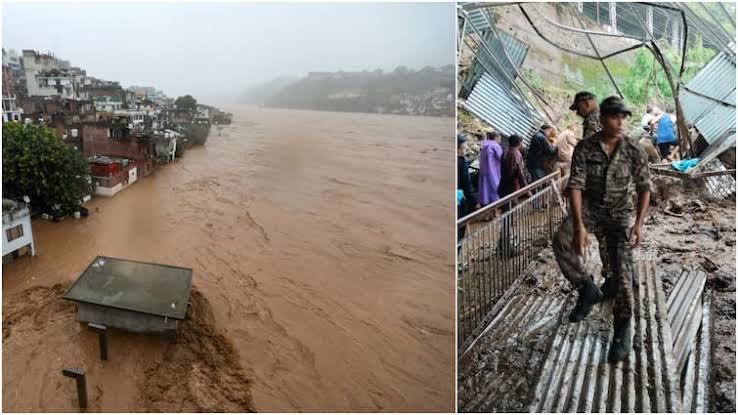
The picturesque pilgrimage route to the Vaishno Devi shrine in Katra, Jammu and Kashmir, turned into a scene of horror as heavy and relentless rainfall triggered a massive landslide, claiming the lives of at least 30 people. The incident, which occurred amid continuous torrential rains, has left residents, pilgrims, and authorities scrambling for immediate rescue and relief operations. The landslide, occurring in one of the most visited religious sites in India, has not only caused tragic fatalities but also disrupted travel, blocked critical transportation routes, and highlighted the growing vulnerability of hilly terrains in the region to extreme weather events. Authorities, including the National Disaster Response Force (NDRF) and Central Reserve Police Force (CRPF), mobilized swiftly to evacuate survivors and provide critical medical support, while central and state government officials coordinated emergency responses. The tragedy underscores the urgent need for improved disaster preparedness, early warning systems, and infrastructure planning in areas prone to heavy rainfall and landslides.
Landslide Devastation and Immediate Rescue Operations
The landslide struck on the pilgrimage route leading to the revered Mata Vaishno Devi shrine, causing widespread destruction and leaving a trail of debris across the hilly path. SSP Reasi, Paramvir Singh, confirmed that 30 people lost their lives in the incident, marking it as one of the deadliest natural disasters in the region in recent years. The victims included pilgrims traveling to seek blessings at the shrine, many of whom were caught unaware by the sudden landslide. Eyewitnesses described chaotic scenes as boulders, mud, and uprooted trees cascaded down the slope, engulfing the path and scattering debris across the trail. Several pilgrims sustained injuries and were rushed to the Community Health Centre (CHC) in Katra for urgent medical attention, while others were trapped under rubble and required immediate extraction by rescue teams.
In response to the calamity, the Union Home Minister, Amit Shah, described the incident as “extremely tragic” and assured full support from the Centre to aid rescue operations and relief measures. He confirmed speaking with Jammu and Kashmir Chief Minister Omar Abdullah and Lieutenant Governor Manoj Sinha, emphasizing that every possible resource would be mobilized to address the crisis. NDRF teams, trained for mountain rescue operations, were dispatched promptly to navigate the difficult terrain and locate survivors. The deployment of CRPF troopers from the 6th Battalion was crucial in providing immediate support. These personnel conducted search and rescue missions, cleared pathways obstructed by mud and rocks, and facilitated the evacuation of injured individuals. Their rapid response helped avert additional casualties, though the challenging weather and unstable ground conditions significantly hindered operations.
The landslide’s impact extended beyond human casualties. Numerous pilgrims were stranded along the route, facing precarious conditions with little shelter from the relentless rain. Relief camps were set up to provide temporary accommodation, food, and medical care to those affected. Volunteers and local administration worked tirelessly to coordinate efforts, establishing communication channels to track missing persons and disseminate safety information. The magnitude of the disaster highlighted vulnerabilities in existing safety measures, emphasizing the importance of early warning systems and real-time monitoring of rainfall and soil conditions in the region. Authorities have urged pilgrims and local residents to remain cautious, avoid travel in landslide-prone zones, and adhere strictly to official advisories until conditions stabilize.
Regional Disruptions, Infrastructure Damage, and Broader Weather Implications
The landslide on the Vaishno Devi route is part of a broader crisis affecting the Jammu region, which has been experiencing persistent heavy rainfall over the past several days. Flash floods, swollen rivers, and multiple landslides have compounded the challenges faced by residents and authorities. The pilgrimage to the shrine has been suspended indefinitely, a decision taken to safeguard the lives of visitors and prevent further casualties. This disruption affects thousands of pilgrims who had planned visits during the auspicious period, reflecting the wider social and cultural implications of natural disasters in the region.
Transportation infrastructure has borne the brunt of the adverse weather. The Jammu-Srinagar national highway, a crucial artery connecting major towns and facilitating trade and travel, has been blocked at multiple points due to landslides and waterlogging. Several other local roads have also become impassable, isolating villages and cutting off access to essential supplies. Train services have been severely affected, with 22 trains canceled as rail tracks faced waterlogging and erosion. The combination of disrupted transport and adverse weather has created logistical challenges for rescue teams, further emphasizing the need for resilient infrastructure capable of withstanding extreme rainfall events.
Authorities have issued repeated advisories warning residents and travelers to stay away from rivers, streams, and slopes susceptible to landslides. Meteorological reports indicate that the heavy rainfall in the region is likely to continue over the coming days, raising concerns about additional landslides and flash floods. Local authorities, in coordination with disaster management teams, have established control rooms to monitor ongoing conditions, deploy rescue teams as needed, and provide timely updates to the public. The government is also evaluating long-term measures, including slope stabilization, construction of retaining walls, and improved drainage systems, to mitigate the risk of future disasters.
The landslide tragedy has sparked broader discussions on climate resilience, environmental management, and sustainable development in hilly regions. Experts point out that unchecked deforestation, poorly planned construction, and soil erosion exacerbate the impact of heavy rains, making communities more vulnerable to natural disasters. In Jammu and Kashmir, where pilgrimage routes and settlements are often located in steep and unstable terrain, the consequences of extreme weather events are particularly severe. The Vaishno Devi landslide serves as a stark reminder of the urgent need to integrate disaster risk reduction strategies into infrastructure planning and community preparedness programs. Public awareness campaigns, early-warning mechanisms, and capacity-building initiatives for local populations are increasingly seen as critical tools to prevent or minimize casualties in future incidents.
The human toll of the landslide is matched by the psychological impact on survivors and families of the deceased. Many pilgrims who escaped physical harm recount traumatic experiences of narrowly avoiding falling debris and witnessing others being buried under mud and rocks. Counseling and mental health support have been prioritized for survivors, volunteers, and first responders, recognizing the lasting emotional and social effects of such disasters. The community has rallied together to provide aid, reflecting resilience and solidarity in times of crisis, but the enormity of the tragedy has left a lasting scar on the region.
The Vaishno Devi landslide incident exemplifies the complex interplay between natural hazards, human activity, and disaster preparedness. It highlights the importance of coordinated response mechanisms, robust emergency infrastructure, and community awareness in mitigating the impact of extreme weather events. As climate change continues to increase the frequency and intensity of heavy rainfall and landslides across India, lessons from this disaster are likely to inform future policies on land use, infrastructure resilience, and public safety. The ongoing rescue and recovery operations, coupled with government interventions, aim to restore normalcy while honoring the memory of those who lost their lives in this tragic event.