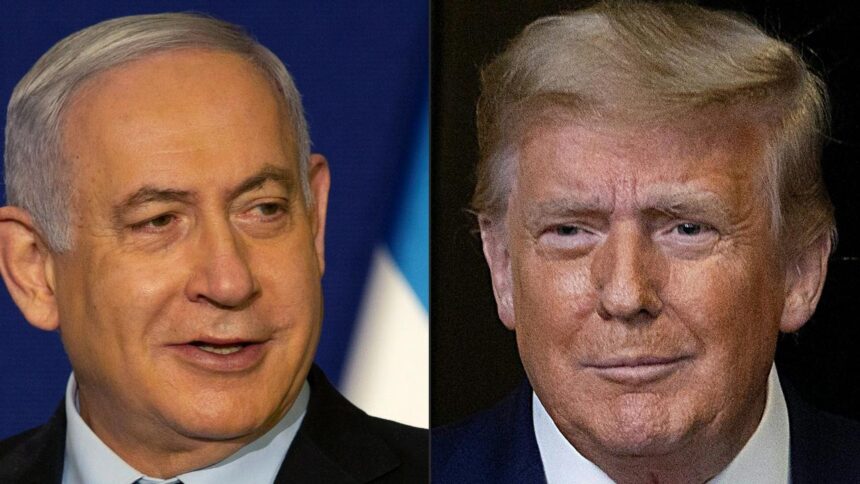
Israeli Prime Minister Benjamin Netanyahu is looking to his meeting with U.S. President Donald Trump this week to help push forward a ceasefire agreement with Hamas and secure the release of hostages still held in Gaza, as diplomatic efforts intensify to end the ongoing conflict. Donald Trump, optimistic about the negotiations, has indicated that a breakthrough could come within days, raising hopes among families of hostages and a public desperate for an end to the war.
Benjamin Netanyahu, before flying to Washington, stated that Israeli negotiators have clear instructions to secure a ceasefire under conditions that Israel has already accepted, emphasizing his determination to bring home the hostages and eliminate the threat posed by Hamas. His visit marks his third trip to the White House since Donald Trump returned to office six months ago, reflecting the urgency and high stakes of the moment.
Pressure Mounts for Ceasefire and Hostage Return
Public pressure on Benjamin Netanyahu to secure a permanent ceasefire and facilitate the return of around 50 hostages still held in Gaza has increased, with many Israelis calling for a resolution that ends the bloodshed and suffering. On Saturday evening, crowds gathered in Tel Aviv near the defense ministry, waving flags and holding pictures of hostages, demanding a deal to bring them back safely.
The hostage crisis began on October 7, 2023, when Hamas attacked southern Israel, killing around 1,200 people and capturing 251 hostages, according to Israeli figures. While many hostages have been freed through negotiations, and some recovered by Israeli forces, around 20 are believed to still be alive in Gaza. Gaza’s health ministry reports that Israel’s military response has resulted in the deaths of over 57,000 Palestinians, alongside severe hunger and displacement within the enclave.
Challenges in Negotiations and Regional Stakes
Donald Trump, speaking before leaving New Jersey, expressed confidence that a deal with Hamas could be reached within the week, suggesting the potential release of “quite a few hostages.” Palestinian group Hamas described its response to a U.S.-backed ceasefire proposal as being offered in a “positive spirit,” following Donald Trump’s remarks that Israel had agreed to the necessary conditions to finalize a 60-day truce.
However, challenges remain. A Palestinian official allied with Hamas highlighted concerns over humanitarian aid delivery, the functioning of the Rafah crossing, and the timeline for Israeli troop withdrawals, indicating unresolved issues despite ongoing talks. The initial round of indirect ceasefire discussions between Hamas and Israel in Qatar ended without an agreement, with sources noting that the Israeli delegation lacked the mandate to finalize terms.
Benjamin Netanyahu’s office responded to changes proposed by Hamas, stating that they were “not acceptable to Israel,” but emphasized that efforts to secure the return of hostages would continue based on the Qatari framework that Israel had agreed upon. Benjamin Netanyahu has maintained his stance that Hamas must disarm, a demand that Hamas has so far refused to entertain.
Beyond the immediate ceasefire discussions, Benjamin Netanyahu expressed that his meeting with Donald Trump would build on the outcome of the recent 12-day air conflict with Iran, aiming to further ensure that Tehran never acquires a nuclear weapon. He described recent developments in the Middle East as creating a potential opening to broaden regional peace efforts.
As Benjamin Netanyahu prepares for talks in Washington, the ongoing negotiations represent a critical moment for Israel, Hamas, and the broader region. The path to a ceasefire and a hostage deal remains complicated by the demands and security concerns of all parties involved, but the diplomatic window presented by the current U.S.-Israel discussions could shape the next phase of the Gaza conflict and efforts toward long-term stability.