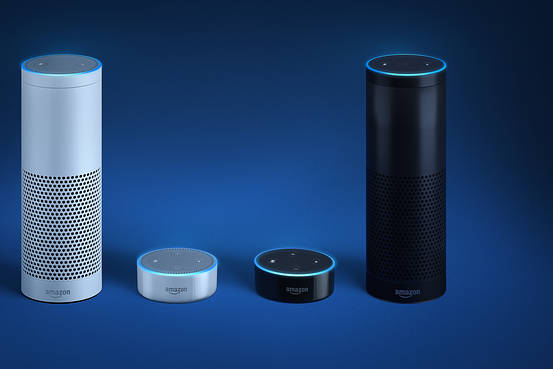
Amazon is making a significant shift in how its voice assistant, Alexa, processes user interactions, and the change is expected to raise concerns among privacy-conscious users. The company is reportedly planning to discontinue local voice processing on Echo devices, opting instead to send all voice recordings to cloud servers for analysis and response. This move is linked to Amazon’s upcoming AI-enhanced Alexa+ assistant, which is set to roll out later this year.
For years, Amazon allowed Echo device owners to process their voice interactions locally, providing an added layer of privacy and security. Users even had the option to enable a “Do Not Send Voice Recordings” setting, ensuring that their conversations with Alexa remained on-device. However, recent reports suggest that Amazon has begun informing select Echo users via email that this feature will be discontinued by the end of the month.
The report, first published by Ars Technica, highlights how this change is driven by Amazon’s push toward integrating artificial intelligence more deeply into Alexa’s operations. The new AI-powered version of Alexa is designed to operate entirely on the cloud, which means that processing voice commands locally will no longer be an option. While this shift is expected to bring enhanced capabilities to the assistant, it also raises questions about data privacy and user control over their personal information.
Amazon’s decision follows the broader trend of tech giants like Google and Apple ramping up their AI efforts. While Apple has faced challenges in deploying its AI effectively, both companies continue to emphasize user privacy in their AI strategies. In contrast, Amazon’s approach appears to be more focused on business needs rather than prioritizing user concerns, as suggested by the report.
At this stage, the company has not officially confirmed the change, and there is no clarity on whether users will be given an alternative means to maintain local processing. We have not independently verified the emails reportedly sent to Echo users, nor has Amazon made a public statement addressing these concerns. However, if the reports hold true, the company is making a strategic trade-off between AI advancement and user privacy.
With the official launch of Alexa+ still a few weeks away, more details are expected to emerge regarding these changes. Until then, many users may find themselves reconsidering their use of Echo devices, particularly those who have prioritized local voice processing for security reasons. Amazon will need to provide transparency and reassurance to maintain user trust as it transitions Alexa into a more AI-centric assistant.