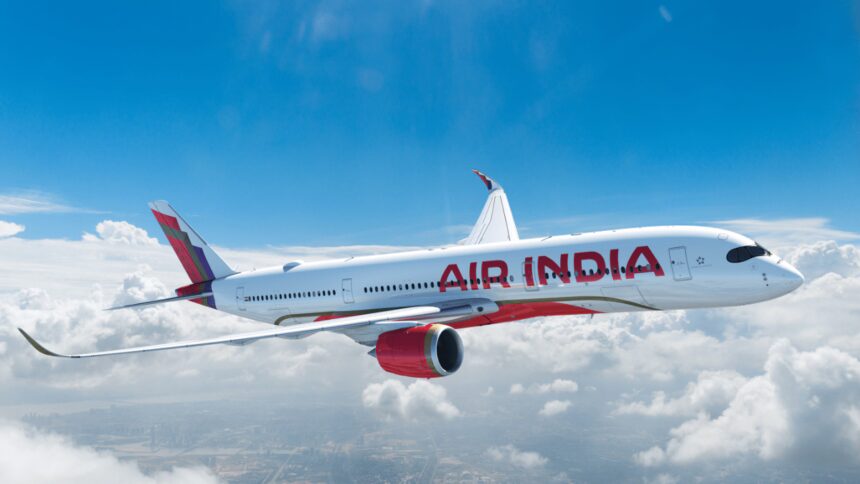
India’s aviation sector is witnessing a new pricing adjustment as Air India and its subsidiary Air India Express have announced the introduction of a fuel surcharge on flight tickets starting March 12, 2026. The move comes in response to a sharp increase in aviation turbine fuel (ATF) prices, which airlines say has significantly raised operating costs.
The airline group confirmed that a ₹399 fuel surcharge will be levied on domestic flight tickets in the first phase. The surcharge will also apply to routes connecting countries within the South Asian Association for Regional Cooperation (SAARC) region.
The decision reflects the growing financial pressure on airlines as global oil prices fluctuate due to geopolitical tensions, particularly in the Middle East. Fuel costs are one of the largest components of airline operating expenses, often accounting for a substantial share of total operational spending.
Air India said the surcharge will be implemented gradually as part of a broader strategy to offset the increasing cost of jet fuel while maintaining operational stability.
Rising Fuel Prices and Impact on Airlines
The aviation industry is highly sensitive to changes in global oil prices because aircraft rely heavily on aviation turbine fuel derived from crude oil. When oil prices increase, airlines experience immediate pressure on their operating budgets.
In recent weeks, global oil markets have been volatile due to geopolitical developments in the Gulf region. Tensions in the Middle East have disrupted supply chains and raised concerns about potential fuel shortages.
As a result, aviation turbine fuel prices have risen sharply, affecting airline profitability.
For airlines, fuel typically represents 30% to 40% of total operating expenses, making it one of the largest cost factors. When fuel prices increase rapidly, airlines often respond by adjusting fares or introducing fuel surcharges to absorb part of the cost increase.
Air India stated that the newly announced surcharge is intended to partially compensate for these rising costs rather than significantly increasing passenger fares.
The airline group emphasised that the surcharge will be applied in phases and may be revised depending on market conditions and fuel price movements.
Fuel Surcharge Details for Domestic and International Flights
According to Air India’s announcement, passengers booking domestic flights operated by Air India and Air India Express will be required to pay an additional ₹399 fuel surcharge per ticket starting March 12.
This surcharge will also apply to flights connecting SAARC countries, which include destinations in South Asia.
In addition to domestic routes, Air India has also revised fuel surcharges for several international destinations.
Flights to West Asia will carry a surcharge of $10 per ticket.
For routes to Africa, the surcharge will increase by $30 to $90, depending on the destination and flight sector.
Flights connecting Southeast Asia will see a surcharge increase of $20 to $60 per ticket.
Air India also confirmed that fuel surcharges will now apply to flights to and from Singapore, where the airline had previously not charged any fuel surcharge.
The airline said these changes are part of a phased approach to pricing adjustments.
Officials explained that the company will continue monitoring global fuel prices and may modify the surcharge structure if market conditions change.
What It Means for Passengers and the Aviation Sector
For passengers, the introduction of a fuel surcharge means that ticket prices may increase slightly starting March 12.
However, aviation experts point out that such surcharges are common in the airline industry, especially during periods of fuel price volatility.
Instead of permanently raising base fares, airlines often introduce temporary surcharges that can later be reduced or removed when fuel prices stabilize.
This approach allows airlines to remain financially stable while avoiding sudden and large fare increases.
The decision by Air India also reflects broader trends across the global aviation industry.
Many airlines worldwide are currently facing similar challenges due to rising fuel costs, supply disruptions, and geopolitical uncertainties.
Despite these challenges, India’s aviation market continues to grow rapidly, driven by increasing passenger demand, improved connectivity, and expanding airline networks.
Industry analysts believe that while the surcharge may slightly increase travel costs, it is unlikely to significantly affect demand for domestic air travel.
Passengers continue to prefer air travel for its convenience, speed, and expanding connectivity across the country.
Air India said it will continue evaluating the situation and reviewing ticket pricing depending on future fuel price trends.