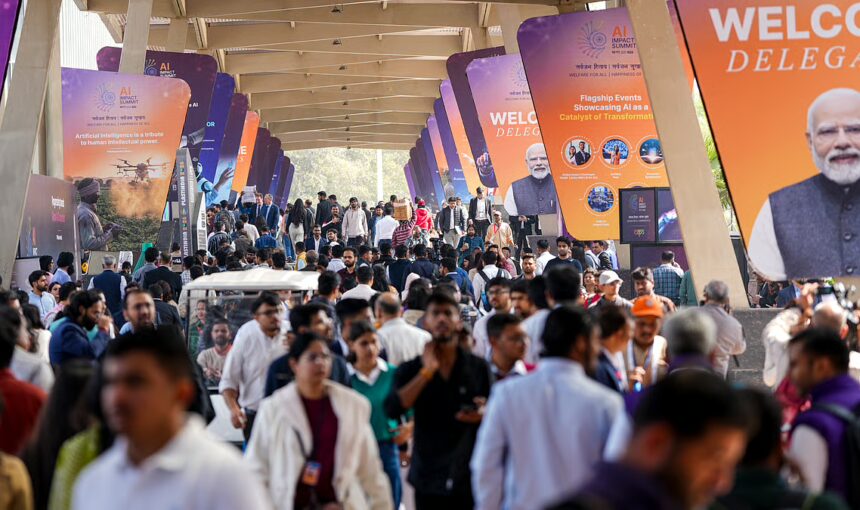
As the city hosts the concluding high-profile sessions of the AI Impact Summit 2026, commuters across central Delhi are being asked to brace for significant evening traffic disruptions. The advisory, issued by Delhi Police, outlines a carefully coordinated plan of restrictions and diversions designed to facilitate secure VVIP movement to and from Bharat Mandapam. The measures, effective between 4 pm and 10 pm, come amid intensified security protocols and follow two days of heavy congestion linked to summit activity and examination-season traffic.
Heightened Security Arrangements and Expected Impact on Daily Commutes
With global policymakers, technology leaders, and senior government officials attending the summit’s final day, authorities have put in place a tightly managed traffic grid across key arterial corridors in the heart of Delhi. The traffic plan reflects the layered security requirements associated with VVIP movement, which often necessitates rolling road closures, staggered convoys, and buffer zones around sensitive routes.
Central Delhi roads that typically serve as lifelines for office-goers, students, and service vehicles are expected to experience regulated access during the evening peak. Areas surrounding diplomatic enclaves, government offices, and institutional zones will see heightened monitoring, with traffic personnel deployed at major intersections to manage flow and prevent bottlenecks. The objective, officials say, is to balance security imperatives with the need to keep essential movement functional.
The advisory underscores the importance of commuter cooperation. Motorists are being urged to plan journeys well in advance, factor in additional travel time, and comply with on-ground instructions. Lane discipline and adherence to traffic norms have been highlighted as critical to preventing gridlocks, particularly as traffic density tends to rise sharply during evening hours. The presence of board examinations has further complicated traffic dynamics, increasing the volume of private vehicles and school transport across multiple zones.
In recent days, several stretches in central, east, and south Delhi witnessed prolonged congestion due to security checks and temporary diversions. Authorities acknowledge the inconvenience but maintain that such measures are unavoidable during events that bring together international delegations and senior leadership. The focus, they note, is on minimizing disruption through real-time monitoring and responsive traffic management.
Diversions, Alternate Corridors, and Real-Time Coordination Efforts
To mitigate the impact of restrictions, the city’s traffic management apparatus has prepared a network of alternate corridors intended to absorb redirected vehicular flow. These routes traverse a mix of arterial and sub-arterial roads, allowing traffic to bypass regulated zones while maintaining connectivity between residential clusters and commercial districts.
Traffic control rooms will remain active throughout the restriction window, tracking congestion patterns and adjusting signal timings where possible. Updates are being disseminated continuously through official digital channels, enabling commuters to make informed decisions before and during travel. Helplines and messaging platforms are also operational to address queries and provide assistance in case of emergencies or unexpected delays.
The advisory emphasizes patience and cooperation as key elements of the evening’s traffic plan. Officers stationed at critical junctions are tasked not only with enforcement but also with guiding motorists unfamiliar with temporary diversions. Public transport services, including buses and taxis, are expected to follow revised routes, and passengers have been advised to check for service updates to avoid last-minute confusion.
The AI Impact Summit 2026 has placed Delhi at the center of global conversations on artificial intelligence, governance, and innovation. While the event underscores the capital’s role as a convening hub for international dialogue, it also brings into focus the logistical challenges of hosting large-scale, high-security gatherings in a densely populated urban environment. City authorities view the current arrangements as part of a broader effort to refine event-time traffic management, drawing lessons from each day’s experience to improve coordination and responsiveness.
As evening approaches, commuters navigating central Delhi are likely to encounter a visibly heightened security presence and regulated traffic movement. Officials reiterate that the measures are time-bound and will be lifted once VVIP movement concludes. Until then, advance planning, flexibility in route choice, and cooperation with traffic personnel remain the most effective ways for residents and visitors to navigate the city during this high-profile final day of the summit.