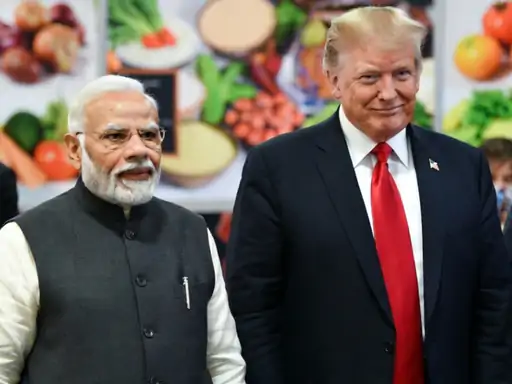
India and the United States are engaged in ongoing high-level negotiations aimed at strengthening bilateral trade ties, with a special focus on agricultural products and related sectors. During the current round of discussions in New Delhi, U.S. Trade Representative Jamison Greer remarked that India has provided the “best offer yet” regarding the agriculture sector, signaling a potential breakthrough in long-standing trade talks between the two countries. These negotiations come amid a changing global economic landscape, with U.S. farmers seeking new markets due to reduced demand from traditional buyers like China, and India exploring opportunities to diversify its imports and strengthen economic partnerships. The discussions indicate that India may open its market for crops such as soybeans and sorghum, which could have significant implications for both Indian consumers and U.S. agricultural exporters.
India Shows Interest in Expanding Market Access for US Agricultural Products
According to Greer, the U.S. negotiating team, currently in New Delhi, is actively discussing the terms and conditions under which American agricultural products can gain greater access to the Indian market. India has traditionally been cautious in allowing imports of certain crops due to domestic concerns related to farming, price stability, and food security. However, recent statements by Indian officials and the positive response noted by Greer suggest a willingness to explore new avenues for cooperation. The possibility of opening India’s market for soybeans and sorghum, in particular, represents a significant development in bilateral trade relations. U.S. officials believe that India could become a substantial market for American agricultural products, providing relief to U.S. farmers who are currently facing challenges related to declining demand from other major importers, especially China.
The discussions also reflect a broader strategy by the United States to diversify its global agricultural exports and reduce dependence on traditional markets. By engaging with large economies like India, U.S. policymakers aim to ensure stable demand for crops and energy products while simultaneously negotiating reciprocal concessions to strengthen the overall bilateral trade relationship. Greer emphasized that these discussions are part of a larger effort to secure access to emerging global markets, which would not only benefit U.S. producers but also create new economic opportunities for India through access to high-quality agricultural commodities. Additionally, the talks highlight India’s strategic interest in ensuring competitive pricing, diversified sourcing, and the availability of critical food and energy supplies in the domestic market.
Beyond Agriculture: Wider Trade Discussions and Strategic Cooperation
While agriculture remains a central focus of the current discussions, both sides are exploring a range of other issues to ensure a comprehensive bilateral trade framework. One notable area of progress has been in aviation, particularly regarding the implementation of zero tariffs on aircraft parts under the 1979 Aircraft Agreement. Greer indicated that significant advancements have been made in this area, which could facilitate smoother trade in the aviation sector, reduce costs for both Indian and U.S. manufacturers, and strengthen strategic industrial cooperation.
In addition to agriculture and aviation, other sectors are under consideration, including energy products such as ethanol derived from corn and soybeans. Senate Committee Chairman Jerry Moran highlighted India’s potential role as a major buyer of ethanol from the U.S., complementing ongoing discussions about agricultural exports. Although detailed agreements are still in development, the precedent set by other countries, including members of the European Union, which have opened their markets to U.S. ethanol and energy products, underscores the scale of potential trade benefits. The cumulative value of these agreements is projected to be around $750 billion over the coming year, demonstrating the economic significance of diversifying trade partnerships.
The potential trade concessions also carry implications for bilateral tariff policies. If India reduces tariffs on American goods, it is expected that reciprocal concessions would be provided to Indian exporters, further balancing trade flows and enhancing the economic partnership. Such arrangements could pave the way for long-term collaboration, benefiting sectors beyond agriculture and aviation, including industrial machinery, energy, and emerging technologies. The discussions thus reflect a multidimensional approach to trade, where agricultural, industrial, and energy-related sectors are all integrated into a broader framework aimed at mutual economic growth.
These developments are particularly relevant at a time when global supply chains are undergoing significant transformation. Countries like India are exploring opportunities to strengthen domestic production capabilities while ensuring access to high-quality imports. Similarly, U.S. producers are seeking alternative markets to offset reduced demand from traditional buyers. The potential opening of India’s market to U.S. soybeans and sorghum represents a strategic opportunity for both nations to enhance trade resilience, stabilize prices, and create predictable export channels.
The ongoing talks also emphasize the importance of diplomatic engagement, regulatory alignment, and mutual cooperation in overcoming long-standing trade barriers. By addressing concerns related to tariffs, quality standards, and import quotas, both India and the U.S. are aiming to establish a transparent and sustainable trade relationship that benefits producers, consumers, and policymakers alike. Observers suggest that successful negotiations could serve as a model for trade engagement with other large economies, demonstrating the benefits of negotiation, reciprocity, and strategic partnership in the 21st-century global economy.
Furthermore, the negotiations underline India’s growing role as a key player in global trade, capable of influencing market dynamics for agricultural commodities, energy products, and industrial goods. The willingness to consider U.S. proposals reflects a pragmatic approach aimed at enhancing market efficiency, diversifying import sources, and ensuring that Indian consumers have access to competitive prices. Likewise, U.S. engagement with India signifies an acknowledgment of India’s economic potential, demographic advantage, and growing consumption needs.
Trade analysts note that while these discussions are promising, several challenges remain. Regulatory frameworks, quality control mechanisms, and logistics infrastructure will play a crucial role in determining the success of increased market access for U.S. agricultural products. Both governments will need to ensure that standards are harmonized, supply chains are reliable, and any potential disputes are resolved through transparent processes. Additionally, domestic stakeholders, including Indian farmers and industry representatives, are likely to be closely consulted to address concerns about competition and market disruption.
In summary, the current negotiations between India and the United States highlight the evolving nature of bilateral trade, with agriculture serving as a critical entry point for broader economic engagement. The willingness to open the Indian market to U.S. soybeans and sorghum represents a significant step toward building a comprehensive trade agreement that could be finalized within a year. Beyond agriculture, discussions on aviation, energy, and reciprocal trade concessions underscore the strategic depth of the talks. Successful implementation could not only enhance economic growth, trade volumes, and market diversification for both nations but also strengthen the long-term partnership between two of the world’s largest democracies.
The evolving trade dialogue underscores a shared interest in fostering predictable, transparent, and mutually beneficial trade relations. Both countries recognize that by addressing sector-specific concerns, negotiating fair tariffs, and facilitating market access, they can create a framework that supports sustainable economic growth and strengthens diplomatic ties. As discussions progress, industry stakeholders, policymakers, and global observers are closely monitoring developments, anticipating the potential positive impact on farmers, manufacturers, and consumers in both countries.
The coming months are expected to be crucial, as negotiators work to finalize agreements, resolve pending issues, and establish mechanisms for implementation. Experts suggest that, if successful, these talks could set a precedent for future trade engagements and deepen economic interdependence between India and the United States. With careful planning, mutual cooperation, and sustained diplomatic efforts, the two nations have an opportunity to create a landmark trade framework that not only addresses immediate agricultural concerns but also supports broader industrial, energy, and technological collaboration.
The potential opening of India’s market for U.S. soybeans and other agricultural products reflects a pragmatic, forward-looking approach to trade, offering economic opportunities for producers, stability for consumers, and a foundation for long-term strategic partnership. The ongoing dialogue signals optimism for a trade deal within a year, contingent upon successful negotiations, regulatory alignment, and mutually acceptable agreements across multiple sectors.