Supreme Court directs central government to create compensation policy for people suffering serious COVID-19 vaccine side effects and ensure transparent data on adverse events
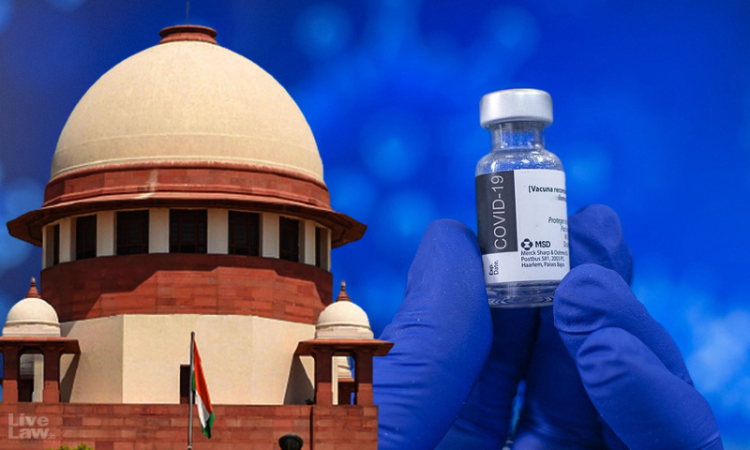
India’s Supreme Court has directed the central government to frame a comprehensive compensation policy for individuals who suffered serious adverse effects after receiving COVID-19 vaccines. The court said the policy should be clear, transparent and “error-free,” ensuring that those affected by rare but severe vaccine reactions receive financial assistance without lengthy legal battles. The decision came while hearing petitions seeking compensation for families who claimed their relatives died due to complications after receiving COVID-19 vaccines.
A bench consisting of Justice Vikram Nath and Justice Sandeep Mehta heard the case and made it clear that while a compensation policy is necessary, it should not be interpreted as an admission of fault by the government or vaccine manufacturers. The court emphasized that such policies are meant to support individuals who may have suffered serious side effects in rare cases, especially during a nationwide vaccination drive conducted under emergency circumstances during the pandemic. At the same time, the court declined the petitioners’ request to set up a new expert committee to investigate vaccine side effects, stating that an adequate institutional mechanism already exists within the health system to evaluate such cases.
During the hearing, the Supreme Court also directed the central government to periodically make public the data related to adverse events following immunisation. The court noted that transparency in such data would help maintain public trust in vaccination programs and ensure accountability in public health policy. The judges observed that while vaccines played a crucial role in controlling the pandemic and saving millions of lives, governments must also address rare cases where individuals may have experienced severe medical complications.
The petitions before the court were filed by families who alleged that their relatives died after experiencing complications following COVID-19 vaccination. The families sought compensation and demanded an independent investigation into the alleged side effects. The court acknowledged the seriousness of the claims but stated that forming a new investigative panel was not necessary given the existing review systems operated by health authorities and expert committees.
One of the cases cited during the hearing involved the death of a young woman named Karunya in 2021. Her father, Venugopal Govindan, claimed that she died about a month after receiving the Covishield vaccine. According to the family, she developed serious health complications after the vaccination. Following the complaint, the government formed a national committee to examine the circumstances surrounding her death. However, the committee concluded that there was insufficient evidence to establish a direct causal link between the vaccine and her death.
Another case presented before the court involved the death of a young girl who reportedly developed a rare medical condition known as Thrombosis with Thrombocytopenia Syndrome after receiving a COVID-19 vaccine dose. According to the family, the girl developed symptoms including high fever and vomiting within a week of receiving the vaccine. Medical tests later revealed blood clots in her brain, which eventually led to a brain hemorrhage. The family claimed that information obtained through a Right to Information request indicated that the condition was associated with a vaccine reaction.
The Covishield vaccine, which was widely used in India during the pandemic, was manufactured by the Serum Institute of India using technology developed by the British pharmaceutical company AstraZeneca. AstraZeneca had earlier acknowledged in legal proceedings in the United Kingdom that its COVID-19 vaccine could, in extremely rare cases, lead to serious side effects such as blood clotting disorders.
Despite these rare cases, health authorities and scientific studies have consistently emphasized that COVID-19 vaccines are generally safe and effective. A major study conducted by the Indian Council of Medical Research and the National Centre for Disease Control concluded that sudden deaths among young adults in India were not directly linked to COVID-19 vaccination. The study analyzed deaths among individuals aged between eighteen and forty-five years and found no evidence suggesting that vaccines were responsible for such incidents.
According to the study, sudden deaths may occur due to a range of factors including genetic predisposition, lifestyle patterns, underlying health conditions and complications following COVID-19 infection itself. Health officials reiterated that serious side effects related to vaccines remain extremely rare compared to the enormous benefits of mass vaccination during the pandemic.
India’s vaccination campaign was one of the largest public health initiatives in history, with billions of doses administered across the country. Two primary vaccines were widely used in the program: Covaxin and Covishield. Covaxin was developed by Bharat Biotech in collaboration with the Indian Council of Medical Research, while Covishield was produced by the Serum Institute of India based on the AstraZeneca vaccine platform.
Prime Minister Narendra Modi himself publicly received the Covaxin vaccine during the national vaccination drive in 2021. He took his first dose on March 1, 2021, and received the second dose on April 8 of the same year. The public vaccination campaign aimed to build confidence in the vaccines and encourage widespread participation.
The Supreme Court’s latest direction seeks to balance public health policy with individual rights. By asking the government to design a no-fault compensation mechanism, the court has highlighted the importance of supporting citizens who may have experienced rare but serious health complications after vaccination. At the same time, the court reiterated that such a policy should not undermine the overall scientific consensus regarding the safety and effectiveness of vaccines.
Legal experts believe the court’s decision could lead to the creation of a structured national compensation framework similar to vaccine injury compensation programs implemented in several other countries. Such systems typically provide financial relief to affected individuals without requiring them to prove negligence by vaccine manufacturers or health authorities.
The government is now expected to develop and announce detailed guidelines outlining eligibility criteria, verification procedures and compensation mechanisms for those affected by severe vaccine reactions. The court also emphasized that individuals would still retain the right to pursue legal remedies through courts if they believe negligence or liability is involved in specific cases.
The ruling represents an important development in India’s ongoing effort to address the long-term implications of the COVID-19 pandemic while maintaining public trust in healthcare institutions and vaccination programs.